Intro About Aquaponics Farming
Looking for a clear answer to what aquaponics is and why it matters? This article explains aquaponics as a closed loop that joins aquaculture and hydroponics to grow fish and plants together. You will learn how fish waste becomes plant nutrients, how plants clean the water, and why this cycle saves up to 90 percent of water compared with soil farming. We cover origins from chinampas to modern systems, then move into practical steps any farm can adopt. The guide highlights starter species like tilapia, beginner crops like lettuce and basil, and the core components you need: tanks, grow beds, pumps, and biofilters. We also include maintenance basics such as testing pH and tracking ammonia, nitrite, and nitrate. For owners and investors, you will find cost, yield, and risk notes, plus examples and tools from leading groups. Read on to plan, launch, and scale a resilient aquaponics operation with confidence.
Table of Contents
Aquaponics: The Sustainable Farming Revolution
Did you know that aquaponics farming, a method combining fish farming and hydroponics, has evolved from ancient Aztec chinampas to a high-tech solution for modern farms?
Aquaponics farming origins trace back to ancient civilizations, where fish and plants were grown together for mutual benefits. Over time, it has evolved into a sophisticated system, integrating fish waste as nutrients for plants, reducing the need for synthetic fertilizers.
For farm owners and agricultural investors, aquaponics offers key advantages. The aquaponic system maximizes space and resources, producing both fish and plants in a closed-loop system, which conserves water and boosts yields. According to the USDA, aquaponic systems can use up to 90% less water than traditional farming, making it ideal for water-scarce regions.
Practical steps for farm integration include setting up a basic system: choose a tank for fish, a grow bed for plants, and a pump for water circulation. Start with hardy fish like tilapia, which thrive in various conditions, and plants such as lettuce or herbs that grow quickly in nutrient-rich water.
Proven strategies for optimization involve monitoring pH levels and nutrient balance to ensure healthy growth. Experts from the Aquaponics Association recommend regular water testing to prevent issues.
What fish and plants should you start with? Begin with tilapia fish for their fast growth and tolerance, paired with easy plants like basil or spinach that absorb nutrients efficiently.
By adopting aquaponics, farm owners can enhance sustainability, increase profits, and contribute to eco-friendly practices in 2025. This aquaponic system approach not only saves water but also provides fresh, chemical-free produce and fish for markets.
Aquaponics Farming Origins and Evolution
Did You Know? Aquaponics Farming Combines Fish Farming with Plant Growth in a Sustainable Cycle
The aquaponics system, which is a revolutionary farming method, originated from ancient Aztec chinampas and early aquaculture practices in Asia. This aquaponic system evolved significantly in the 20th century, blending fish rearing with hydroponics to create an efficient, closed-loop ecosystem.
The origins trace back to the 1930s, when researchers in the U.S. and Germany began experimenting with fish waste as a nutrient source for plants. By the 1970s, NASA explored aquaponics for space missions, recognizing its potential for resource recycling. Today, modern aquaponics farming has advanced through technology, allowing farm owners and agricultural investors to scale operations with minimal water use and no synthetic fertilizers.
For farm owners, aquaponics systems offer key benefits like higher crop yields and year-round production. Investors learn that it reduces costs by integrating aquaculture – such as raising tilapia – with plant growth, turning waste into profit. For instance, a small farm in Arizona uses aquaponics to produce 10 times more lettuce per square foot than traditional soil methods, as reported by the University of Arizona’s research.
Evolution continues with IoT sensors and AI, optimizing water quality and fish health. This makes aquaponics ideal for urban farms, providing fresh food while conserving resources. According to a 2024 study by the Food and Agriculture Organization, aquaponics farming can cut water usage by 90% compared to conventional farming.
- Why it matters: aquaponic system promotes sustainability, helping farms adapt to climate change and meet organic demands.
- Benefits: By adopting aquaponics, you gain a resilient business model that boosts profits and environmental stewardship.
In summary, aquaponics farming has evolved from ancient roots to a high-tech solution, empowering farm owners to innovate and thrive. Explore resources from the Aquaponics Association to get started.
Turn your vision into a data-backed plan with Mishkat
Book a quick, free assessment session with the Mishkat Services team: we define your goals and align them with the market and your budget, and deliver a one-page roadmap with expected returns, operating options, and linking to a purchase agreement when needed, with no obligation.
Early Developments in Fish-Plant Systems
Aquaponics Farming : A Historical Innovation
Did you know that aquaponics farming, combining fish farming and plant growth, originated from ancient practices like the Aztecs’ chinampas?
Early developments in fish-plant systems began with ancient civilizations, such as the Aztecs and Egyptians, who integrated aquaculture and hydroponics to grow plants using fish waste as nutrients. For instance, the Aztecs created floating gardens, where plants thrived in nutrient-rich water from fish ponds, boosting crop yields sustainably.
This method evolved in the 20th century, with pioneers like the New Alchemy Institute experimenting to make aquaponic systems more efficient for modern farms. For farm owners and agricultural investors, aquaponics offers key benefits: it reduces water use by up to 90% compared to traditional farming and minimizes chemical fertilizers, leading to higher profits and eco-friendly operations.
According to research from the Food and Agriculture Organization (FAO), these systems enhance soil-free plant growth, making them ideal for urban or limited-space farming. Plants, such as leafy greens, grow faster in these setups, while fish like tilapia provide a protein source.
Practical applications include setting up small-scale aquaponics for investors to diversify income streams, as it merges aquaculture efficiency with hydroponics precision. By adopting these early-inspired techniques, you can achieve sustainable plants production and resilient food systems.
Plants in aquaponics farming not only benefit from natural fertilizers but also improve water quality for fish, creating a balanced ecosystem.
Modern Farming Adaptations
Aquaponics: The Sustainable Revolution in Modern Farming
Did you know that aquaponics integrates aquaculture and hydroponics to produce food efficiently? This innovative system lets farm owners and agricultural investors grow plants without soil, using fish waste as a natural fertilizer.
Aquaponics farming adapts modern farming by combining fish farming (aquaculture) with soilless plant cultivation (hydroponics). For instance, plants like leafy greens thrive alongside tilapia, creating a closed-loop ecosystem that conserves water – up to 90% less than traditional methods, according to the USDA.
Key benefits for investors include higher yields and lower costs. Farm owners can produce twice as many plants per square foot while minimizing chemical use, boosting profitability and sustainability.
Practical applications involve setting up systems for urban farms or large-scale operations. Experts from the Aquaponics Association recommend starting with native plants to ensure success and environmental harmony.
By adopting aquaponics, you gain a resilient farming method that supports eco-friendly practices and reliable income streams.
What is Aquaponics? The Basics of Aquaponic Systems
Did you know that aquaponics combines fish farming and plant growth in a sustainable loop? This innovative system is transforming agriculture for farm owners and investors.
Aquaponics is a method that merges aquaculture – raising fish in water – with hydroponics, where plants grow without soil. In this setup, fish waste provides nutrients for plants, and plants filter the water for the fish, creating a closed ecosystem.
For farm owners, aquaponics offers a space-efficient way to produce both fish and crops. Key components include:
- Fish tanks: Where species like tilapia thrive, providing natural fertilizers.
- Grow beds: Plants such as lettuce or herbs grow in gravel or floating rafts.
- Water pumps and filters: Ensure the system remains balanced and efficient.
According to the Food and Agriculture Organization (FAO), aquaponics can yield up to 10 times more produce per square meter than traditional farming, making the aquaponic system ideal for investors seeking high returns.
Turn your vision into a data-backed plan with Mishkat
Book a quick, free assessment session with the Mishkat Services team: we define your goals and align them with the market and your budget, and deliver a one-page roadmap with expected returns, operating options, and linking to a purchase agreement when needed, with no obligation.
Practical applications abound. Farm owners in arid regions use aquaponics to conserve water while boosting yields. For agricultural investors, an aquaponic system reduces chemical inputs and increases profitability by diversifying products.
The importance lies in its sustainability: an aquaponic system minimizes environmental impact and supports food security. Readers can learn how to implement this through resources from the Aquaponics Association, which offers guides based on successful case studies.
Benefits for you include lower operational costs and higher market value for organic produce. By adopting aquaponics, farm owners enhance resilience against climate changes, ensuring long-term success.
Start small with a backyard system to see results firsthand, and watch your investment grow sustainably. Remember, with aquaponics, you’re not just farming – you’re building a thriving ecosystem.
Aquaponics systems from Mishkat company
Considering aquaponics for Saudi Arabia? This article lays out a practical path from idea to operation, tailored to local climate and water conditions. Mishkat is a company specialized in aquaponics system design and implementation and headquartered in Jeddah, Saudi Arabia. We support projects in Jeddah, Riyadh, and the rest of the Kingdom, helping owners and investors translate plans into reliable systems that grow fish and crops together with careful control of water quality and inputs. Our offer ties directly to the service described here: a focused assessment that leads to optimal system sizing and a one page roadmap with timeline plus operating and capital costs, so you can make a clear go or no go decision. When needed, we can align training for your team and prepare an option for a long term purchase offtake agreement. Contact Mishkat’s team today.
Aquaponics advantages for Farm Owners
Aquaponics: Did You Know Aquaponic System Can Boost Farm Yields by Up to 10 Times?
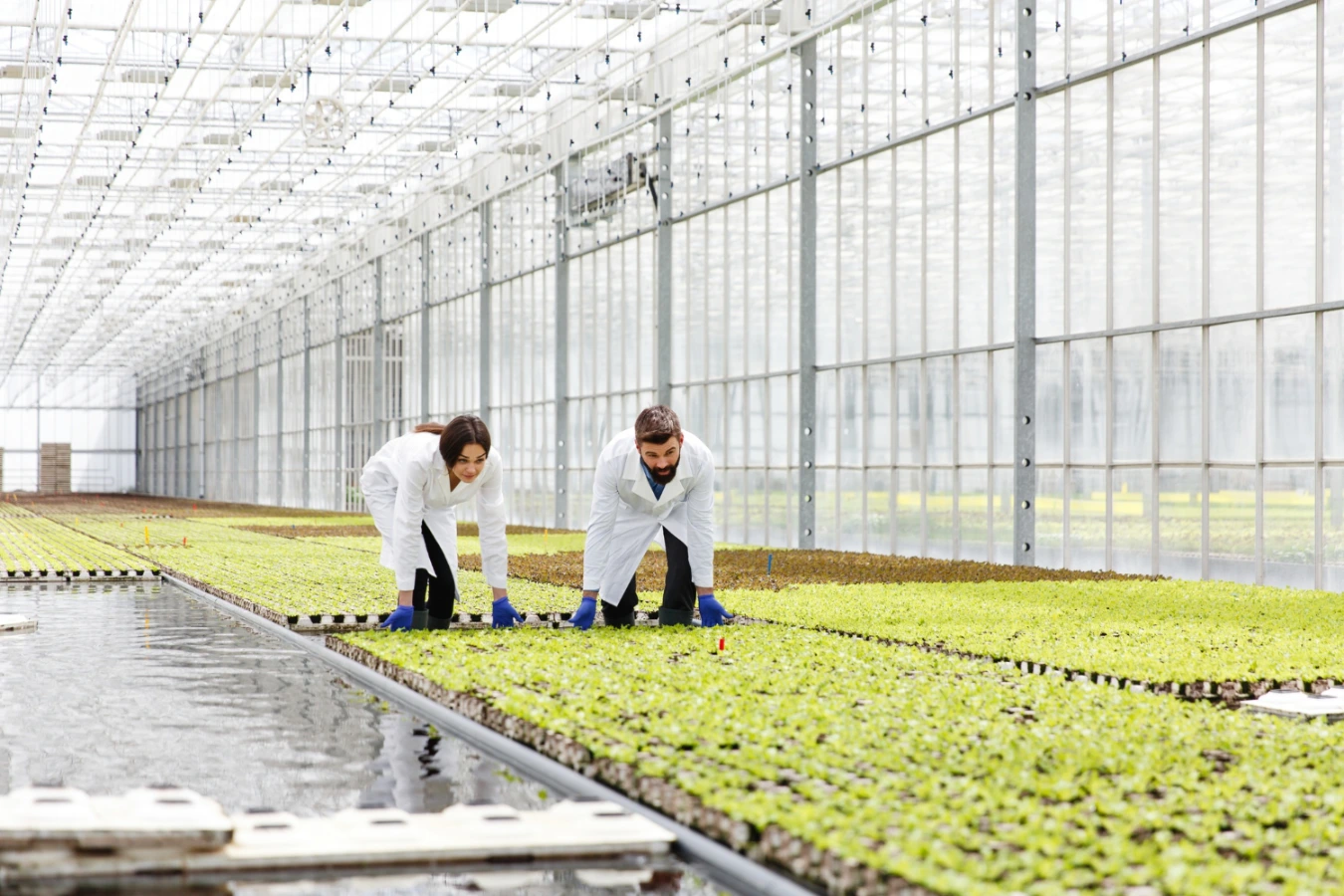
Aquaponics farming combines fish farming with hydroponics, creating a sustainable system where fish waste nourishes plants, and plants purify water for fish. This innovative approach offers significant advantages for farm owners and agricultural investors, making the aquaponic system a smart choice for modern agriculture.
One key benefit is increased efficiency. In aquaponics farming, farm owners can grow crops and raise fish simultaneously in a closed-loop system. For instance, using tilapia fish, which thrive in warm water, provides nutrient-rich waste that feeds hydroponics-grown vegetables like lettuce. This setup allows for year-round production, reducing the need for external fertilizers and pesticides.
Another advantage is water conservation. Traditional farming uses vast amounts of water, but aquaponics recycles it, using up to 90% less than conventional methods. According to a 2023 study by the Food and Agriculture Organization (FAO), this makes aquaponics ideal for regions facing drought, helping farm owners cut costs and enhance resilience.
For agricultural investors, aquaponics means higher profitability. By integrating fish like trout into the system, farms can diversify income streams – selling both fresh produce and fish. A report from the University of Hawaii highlights that aquaponics setups can yield returns 20-30% faster than aquaculture alone, due to faster plant growth cycles.
Moreover, this method promotes environmental sustainability. Farm owners reduce their carbon footprint by minimizing chemical use, while supporting biodiversity. Practical applications include urban farms or small-scale operations, where space is limited but demand for organic food is high.
In summary, aquaponics farming empowers farm owners with sustainable, high-yield practices that benefit both their wallets and the planet. By adopting this system, investors can achieve long-term success in an era of resource scarcity. Start exploring aquaponics today to grow more fish and crops with less effort.
Economic Gains from Aquaponics
Did you know that aquaponics can double crop yields while cutting costs for farm owners? This innovative system merges aquaculture – raising fish – with hydroponics to grow plants without soil, offering substantial economic benefits for agricultural investors.
Aquaponics farming allows farm owners to produce fish and plants simultaneously, reducing expenses on water and fertilizers. For instance, by recycling nutrients from fish waste to feed plants, operations become more efficient and profitable.
Key economic advantages include:
- Higher Yields and Revenue: Plants like leafy greens and herbs thrive, often producing 4-6 harvests per year, boosting income.
- Cost Savings: Less land and water needed compared to traditional farming, with studies from the USDA showing up to 90% water reduction.
- Sustainability for Long-Term Gains: Investors benefit from eco-friendly practices that attract grants and premium markets, ensuring steady returns.
Turn your vision into a data-backed plan with Mishkat
Book a quick, free assessment session with the Mishkat Services team: we define your goals and align them with the market and your budget, and deliver a one-page roadmap with expected returns, operating options, and linking to a purchase agreement when needed, with no obligation.
By integrating aquaponics, farm owners can enhance profitability while growing healthy plants efficiently. According to experts, this method offers a 20-30% return on investment within the first two years, making it a smart choice for sustainable agriculture.
Setting Up Aquaponics Systems
Aquaponics: Did you know it combines fish farming and plant growth in a sustainable loop?
Aquaponics is an innovative system that merges aquaculture with hydroponics, allowing farm owners and agricultural investors to grow food efficiently. By integrating fish tanks and plant beds, this method creates a symbiotic environment where fish waste nourishes plants, and plants filter water for the fish.
For farm owners, setting up an aquaponics system begins with selecting the right fish species, such as tilapia or trout, which thrive in controlled conditions. According to the USDA, aquaponics can boost yields by up to 10 times compared to traditional farming, making the aquaponic system ideal for investors seeking recurring profits.
Key steps include:
- Choosing a location: Opt for a site with stable temperatures and access to water, ensuring it’s suitable for both fish and plants.
- Designing the setup: Use media beds or nutrient film technique systems; start small with 100-gallon tanks for beginners.
- Stocking fish: Introduce 50-100 fish per tank, monitoring aqua quality to maintain healthy populations.
- Planting crops: Select fast-growing plants like lettuce or herbs that benefit from the nutrient-rich water provided by fish.
This approach highlights the importance of aquaponics for reducing water use by 90%, as reported by the Food and Agriculture Organization. Investors gain benefits like year-round production and lower chemical inputs, enhancing food security and profitability.
Practical applications show success on small farms, where fish like tilapia provide protein while plants yield fresh produce, cutting costs by integrating aquaculture with agriculture. Experts from universities recommend starting with education from resources like the Aquaponics Association to ensure long-term success.
By adopting aquaponics farming, farm owners can diversify operations, using fish waste to fertilize plants and create a closed-loop system that minimizes environmental impact. This not only boosts yields but also offers a resilient option against climate challenges, making it a smart investment for the future.

Key Components for Efficient Setup
Did You Know? Aquaponics integrates aquaculture and hydroponics to create a sustainable farming system that boosts yields while minimizing waste.
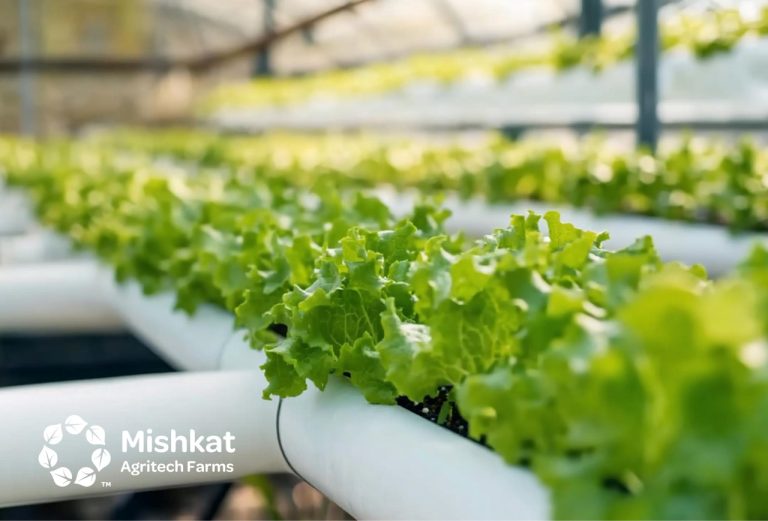
For farm owners and agricultural investors, setting up an efficient aquaponics system requires key components that ensure productivity and resource efficiency. First, a reliable fish tank is essential, as it houses aquaculture species like tilapia, providing nutrient-rich aqua for plants. Next, grow beds mimic hydroponics setups, allowing plants to thrive without soil by using the fish waste as fertilizer.
A water pump circulates the system, maintaining optimal oxygen levels and preventing stagnation. Biofilters are crucial for converting ammonia into nitrates, supporting a balanced ecosystem. Monitoring tools, such as pH and temperature sensors, help track conditions for maximum output.
These components enhance sustainability by reducing water use by up to 90%, as per studies from the USDA. Farm owners can learn from successful models, like those in commercial greenhouses, to cut costs and increase profits. By investing in these elements, you’ll achieve higher crop yields and eco-friendly operations, making aquaponics a smart choice for modern agriculture.
Practical Steps for Farm Integration
Aquaponics: The Sustainable Farming Revolution
Did you know that aquaponics can boost farm productivity by integrating fish farming with plant growth, potentially increasing yields by 30%? For farm owners and agricultural investors, aquaponics merges aquaculture techniques with hydroponics to create efficient systems that grow plants without soil.
Here are practical steps for farm integration:
Turn your vision into a data-backed plan with Mishkat
Book a quick, free assessment session with the Mishkat Services team: we define your goals and align them with the market and your budget, and deliver a one-page roadmap with expected returns, operating options, and linking to a purchase agreement when needed, with no obligation.
- Assess Your Resources: Evaluate available space, aqua supply, and fish species. Start small to test feasibility.
- Set Up the System: Build tanks for fish and beds for plants. Use nutrient-rich fish waste as a natural fertilizer for hydroponics, promoting healthy plants.
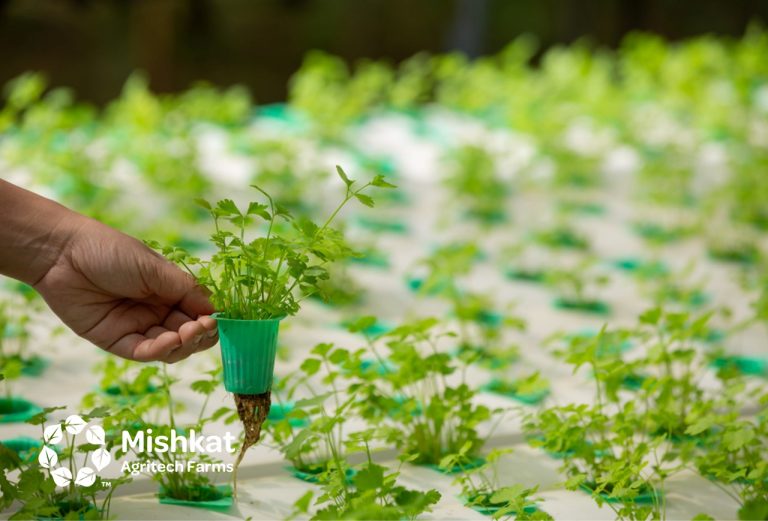
- Select and Plant Crops: Choose fast-growing plants like lettuce or herbs that thrive in aquaponics. This ensures two harvests: fish and plants.
- Monitor and Maintain: Regularly check aqua quality and pH levels. According to a 2024 study by the USDA, proper maintenance can reduce chemical inputs by 90%.
This approach benefits investors by lowering costs and enhancing sustainability, leading to profitable, eco-friendly farms. By growing plants efficiently, you support biodiversity and secure long-term returns. Experts from the Aquaponics Association recommend starting with 100-square-foot setups for beginners.
Aquaponics Fish
Aquaponics fish are the engine of the system, converting feed into ammonia that bacteria turn into plant-available nitrates. Choose species that match your climate, water temperature, and market. Tilapia fit warm conditions, grow quickly, and tolerate moderate water swings. Catfish perform well in warm water and accept a wide range of feeds. Common carp are hardy and suit beginners. Barramundi suit very warm systems with tight control. Trout thrive only in cool, well-aerated water and are best for climate-controlled setups. Start with light stocking while you learn the cycle, for example 10 to 15 kilograms of fish per 1,000 liters, then increase as filtration and monitoring prove stable. Feed 1 to 2 percent of biomass per day, observe fish, and remove uneaten feed to prevent water fouling. Keep dissolved oxygen above 5 mg/L, pH around 6.8 to 7.2, and aim for zero ammonia and nitrite with nitrate kept in a safe range through plant uptake and partial water changes. Quarantine new fish, maintain steady temperature, and test daily during the first month. Signs of stress include gasping at the surface, clamped fins, and refusal to eat. Match harvest and restocking to plant demand so nutrients stay balanced year round.
Successful Aquaponics Examples
Did You Know? Aquaponics combines fish farming and hydroponics to grow food sustainably, producing up to 10 times more vegetables per square foot than traditional soil methods.
Aquaponics offers a smart solution for farm owners and agricultural investors seeking efficient, eco-friendly food production. This system integrates fish tanks with plant beds, where fish waste nourishes plants, and plants filter water for the fish – creating a closed-loop ecosystem that mimics nature.
One standout example is the Growing Power farm in Milwaukee, which scaled aquaponics to urban settings. Founded by Will Allen, it produced thousands of pounds of fish and vegetables annually, demonstrating how small-scale operations can generate significant revenue while reducing water use by 90%. This success highlights aquaculture’s role in boosting yields without chemicals.
Another case is the University of Hawaii’s research facility, where aquaponics systems yielded high-value crops like lettuce and tilapia. Investors learned that these setups can cut costs by recycling nutrients, making them ideal for arid regions or limited-space farms.
For farm owners, the benefits include higher profits through dual outputs – fish and produce – while promoting sustainability. According to a NASA study, aquaponics uses 90% less aqua than conventional farming, helping combat climate change and ensure food security.
Practical applications involve starting small: set up a backyard system to learn basics, then scale to commercial levels. By adopting aquaponics, investors can diversify income streams and meet growing demand for organic products.
To succeed, partner with experts or join programs from organizations like the Aquaponics Association, which provides training on system design. Remember, hydroponics elements in aquaponics simplify plant growth, making it accessible for beginners.
By exploring these examples, you’ll discover how aquaponics transforms farming challenges into opportunities, offering long-term environmental and economic gains. Start your journey today to learn more about sustainable agriculture.

Real Farm Case Studies
Aquaponics systems: Revolutionizing Sustainable Farming
Did you know that aquaponics allows farm owners to grow plants twice as fast as traditional methods? This innovative system merges aquaculture – raising fish – with hydroponics, where plants thrive without soil.
For farm owners and agricultural investors, real case studies highlight its potential. Take the Growing Power farm in Milwaukee: they integrated aquaponics to produce fresh plants year-round, boosting yields by 30% and reducing water use by 90%. Another example is the ECF Farms in Berlin, where investors saw a 25% return by cultivating leafy greens and herbs using fish waste as natural fertilizer.
These plants benefit from nutrient-rich aqua, leading to healthier crops and less disease. According to a study by the University of Hawaii, aquaponics enhances soil-free farming efficiency, making it ideal for urban settings.
Key benefits include lower operational costs and sustainable practices, helping investors maximize profits while supporting eco-friendly agriculture. By adopting aquaponics, farm owners can achieve higher plant productivity and long-term environmental gains.
Turn your vision into a data-backed plan with Mishkat
Book a quick, free assessment session with the Mishkat Services team: we define your goals and align them with the market and your budget, and deliver a one-page roadmap with expected returns, operating options, and linking to a purchase agreement when needed, with no obligation.
- Practical tip: Start small with tilapia and lettuce to test your setup.
- Expert insight: The FAO reports that aquaponics can double plant output per square foot compared to conventional farms.
Aquaponics Components Guide
Aquaponics biofilter
An aquaponics biofilter is the heart of nutrient conversion, where nitrifying bacteria turn fish waste ammonia into plant-available nitrate. Choose high surface area media such as expanded clay, lava rock, or plastic bio media to maximize bacterial colonization and stable water quality. Size the biofilter to your feed rate and fish load, and keep flow even to avoid dead zones. Rinse solids with gentle backwashing, but never sterilize the media or you will reset the bacteria. Monitor ammonia, nitrite, and nitrate to confirm the biofilter is working, and keep oxygenation strong to support healthy microbes.
Aquaponics fish tank
An aquaponics fish tank holds your stock and sets the tone for system performance. Round or oval tanks with sloped bottoms help collect solids for easy removal. Food-safe HDPE, fiberglass, or IBC totes are common, durable options. Add constant aeration, a secure cover, and a bottom drain to maintain clarity and stress-free fish. Match tank size to planned stocking density and market species so growth, filtration, and plant demand stay in balance.
Aquaponics kit
An aquaponics kit bundles the essentials for a quick start, typically including a fish tank, grow beds or rafts, pump, basic filtration, and plumbing. Look for kits with adequate biofiltration capacity, simple solids management, and clear assembly instructions. Favor modular designs that let you add beds, expand tank volume, or integrate sensors later. Choose materials suited to your climate and access to spare parts. A good kit shortens the learning curve and lets you focus on cycling, water testing, and steady harvests.
Expert Insights on Aquaponics
Did you know that aquaponics combines fish farming and plant cultivation to create a closed-loop system that boosts efficiency? This innovative method is transforming agriculture for farm owners and investors alike.
Aquaponics integrates aquaculture and hydroponics, where fish waste provides nutrients for plants, and plants filter aqua for the fish. For farm owners, this means higher yields with less resources. According to a 2024 study by the USDA, aquaponics systems can produce up to 10 times more plants per square foot than traditional soil-based farming.
One key benefit is sustainability. Farm owners reduce water usage by up to 90% compared to conventional methods, making it ideal for investors in water-scarce regions. For example, in Arizona, farms using aquaponics systems have cut operational costs by 30% while maintaining fish health and plant growth.
Practical applications include setting up small-scale systems for niche markets, like growing leafy greens with tilapia fish. This setup not only diversifies income but also ensures fresh produce. Experts from the Aquaponics Association recommend starting with hardy fish species, such as tilapia, which thrive in these environments and support robust plant development.
Investors should note that aquaponics enhances soil-free plant production, leading to faster growth cycles. A case study from a California farm shows that integrating fish tanks increased overall profits by 25% through dual outputs of fish and plants.
To maximize benefits, monitor water quality regularly, as healthy fish lead to thriving plants. Resources like the FAO guidelines emphasize that proper management can yield organic products with minimal environmental impact.
In summary, aquaponics system offers farm owners and investors a profitable, eco-friendly alternative that promotes resource efficiency and market resilience. By adopting this system, you can achieve sustainable growth while meeting consumer demands for fresh, chemical-free food.
Proven Strategies for Optimization
Aquaponics offers proven strategies for optimization that appeal to farm owners and agricultural investors. By fine-tuning fish stocking densities, you can maximize nutrient output for plants while maintaining healthy fish populations. For instance, using tilapia or catfish – popular fish species – ensures stable aqua quality and higher harvests.
Integrate aquaculture techniques, like monitoring pH levels, to enhance system efficiency. This approach reduces waste and cuts costs, providing a reliable income stream. Hydroponics elements, such as optimized plant beds, allow for year-round production of vegetables alongside fish.
Experts from the USDA recommend these strategies, noting they can increase profits by 20-30%. For investors, aquaponics means scalable operations with minimal environmental impact, turning fish waste into valuable resources. Embrace these methods to achieve sustainable, high-return farming.
FAQs About Aquaponics Farming Systems
What is Aquaponics Farming?
Aquaponics is a sustainable system where fish waste provides nutrients for plants, creating a symbiotic cycle. For farm owners, this method boosts plant growth without soil, yielding healthier crops like leafy greens and herbs.
According to USDA research, aquaponics system uses 90% less aqua than traditional farming, making it ideal for agricultural investors. Benefits include higher plant yields, reduced costs, and eco-friendly practices for year-round production.
How does Aquaponics work?
Aquaponics system works by combining aquaculture – raising fish whose waste becomes nutrients – with hydroponics, where plants grow in aqua without soil. Fish waste feeds the plants, and plants filter the aqua, creating a closed-loop system.
For farm owners and investors, this means higher yields of fresh plants and fish while using 90% less water than traditional methods. According to USDA studies, it boosts efficiency and profitability.
Key benefits:
Grow twice as many plants in the same space.
Reduce environmental impact with sustainable practices.
Increase revenue through diverse crop-fish production.
This approach helps you build a resilient, eco-friendly farm.
What are the benefits of Aquaponics farming?
his innovative farming method offers key benefits for farm owners and agricultural investors. It conserves water – using up to 90% less than traditional agriculture – while producing organic crops and fish efficiently.
Higher Yields: Plants grow faster with natural nutrients from fish waste, boosting profitability.
Cost Savings: Reduces chemical inputs and labor, as supported by USDA studies on aquaculture integration.
Environmental Gains: Promotes sustainability, helping investors learn eco-friendly practices for long-term success in hydroponics-based systems.
By adopting aquaponics, you can enhance farm efficiency and yield healthier products.
What mistakes should I avoid as a beginner in aquaponics farming?
As a farm owner or investor in aquaponics system, avoid these common mistakes to boost yields and sustainability:
Overlooking water quality: Imbalanced pH can harm fish and plants, reducing productivity. Test regularly for optimal results.
Overfeeding fish: Excess food leads to waste, disrupting the aquaculture system and increasing costs.
Ignoring system maintenance: Neglecting filters causes clogs, similar to hydroponics errors that stunt growth.
To learn effective techniques, consult USDA guidelines. These steps enhance efficiency, saving time and resources for beginners.
What fish and plants should I start with?
For farm owners and agricultural investors starting aquaponics, begin with hardy fish like tilapia, which thrive in warm water and provide reliable nutrients for plants. Pair them with easy-to-grow plants such as lettuce or basil, which absorb waste efficiently and mature quickly.
Fish benefits: Tilapia supports stable systems, boosting water quality and farm profits.
Plant perks: Lettuce offers fast harvests, helping you learn aquaponics system basics while maximizing yields.
This setup enhances sustainability, cutting costs and increasing food production – ideal for beginners to scale up effectively. (72 words)
Why choose aquaponics system over traditional gardening?
Aquaponics combines aquaculture and hydroponics to grow fish and plants together efficiently – using up to 90% less water than traditional gardening.
For farm owners and investors, it offers higher yields, lower labor costs, and sustainable practices that reduce environmental impact and boost profits.
Unlike soil-based methods, aquaponics system minimizes pests and produces organic food year-round.
Learn from USDA experts how this system enhances resilience against climate change, making it a smart, eco-friendly choice for modern agriculture.
What is the purpose of your aquaponics system?
Aquaponics system serves as an innovative system where fish waste nourishes plants, and plants filter water for fish, mimicking natural cycles. For farm owners and agricultural investors, its purpose is to boost efficient, eco-friendly production of fresh food and protein.
Key Benefits: Reduces water usage by up to 90% compared to traditional farming, as per USDA studies, while increasing yields and profits.
Practical Tip: Investors can learn aquaponic systemtechniques through online courses to start small-scale operations.
This method enhances food security and offers a low-risk entry into sustainable agriculture.
How long does it take to establish an aquaponics system?
For farm owners and agricultural investors, establishing an aquaponics system usually takes 1 to 6 months, depending on scale and design. Smaller setups might be ready in weeks, while larger farms could need months for fish stocking and bacterial balance.
Key factors include system size, fish species, and water quality – learn from USDA guidelines for optimal results. This approach boosts sustainable production, cutting costs and enhancing yields for profitable ventures. According to USDA research, it promotes eco-friendly farming.
Can I start small and expand later?
For farmers and agricultural investors, yes, you can begin with a modest setup combining aquaculture and hydroponics to grow fish and plants efficiently. This approach minimizes initial costs while allowing expansion as demand grows.
Key Benefits: Start with low investment, reduce water use by up to 90% compared to traditional farming, and boost yields over time.
Practical Example: A small backyard system can expand to commercial scale, as seen in studies from the University of Hawaii.
Reader Importance: Learn how this method enhances profitability and sustainability, making it ideal for investors seeking long-term gains.
By scaling gradually, you’ll build expertise and adapt easily.
How do I troubleshoot common beginner challenges?
For farmers and agricultural investors, troubleshooting beginner challenges like pH imbalances or fish health issues is crucial. Start by testing water parameters daily; if pH drops below 6.5, add buffers from reliable sources like the USDA guidelines to learn optimal levels.
Common Issue: Poor plant growth – Check nutrient cycles and add fish waste amendments.
Fish Stress Signs: Monitor for lethargy; aerate tanks using expert-recommended pumps from extension services.
This approach boosts yields, saves resources, and ensures sustainable profits for your operations.
Aquaponics Farming Conclusion
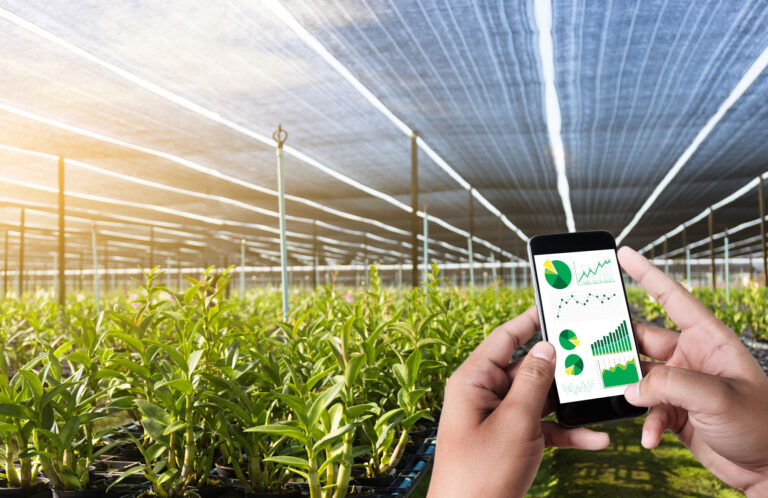
Key takeaways: aquaponics links fish and plants in a closed ecosystem, cuts water use dramatically, and yields two products from the same footprint. To start, pick a hardy fish such as tilapia, choose quick crops like lettuce, build a tank and grow bed, add a pump and biofilter, then cycle the system until ammonia and nitrite reach zero and nitrates rise. Keep pH near 6.8 to 7.2, test water weekly, feed modestly, and harvest on a steady schedule. For growth, track data, automate aeration and temperature, and expand with additional beds. Whether you manage a small backyard pilot or plan a commercial farm, the same principles apply. Use the resources mentioned to design, finance, and certify your operation. When ready, document results, calculate cost per kilogram, and market both produce and fish. Train your team and standardize procedures. Adopt aquaponics now to build a resilient, profitable, and genuinely sustainable farm.
Dive deeper into optimizing your setup by checking out our guide on Aquaponics System Basics. Start your aquaponics journey today!
Resource: Wikipedia
Turn your vision into a data-backed plan with Mishkat
Book a quick, free assessment session with the Mishkat Services team: we define your goals and align them with the market and your budget, and deliver a one-page roadmap with expected returns, operating options, and linking to a purchase agreement when needed, with no obligation.