Introduction for Aquaponics Crops and Plants
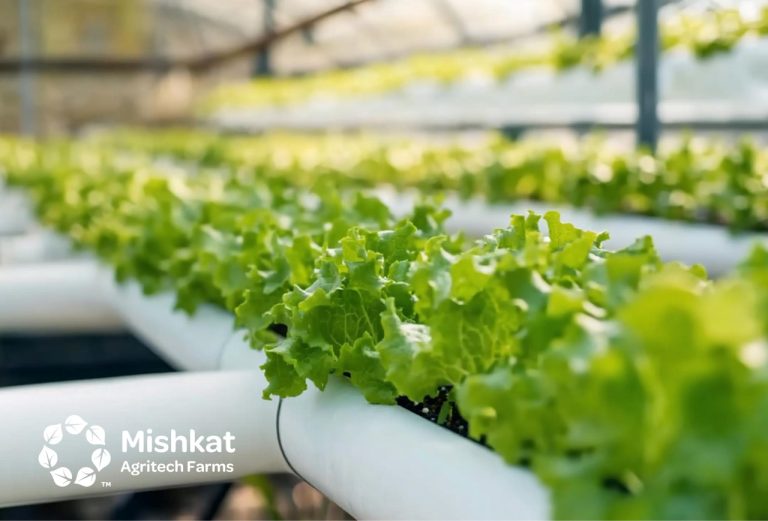
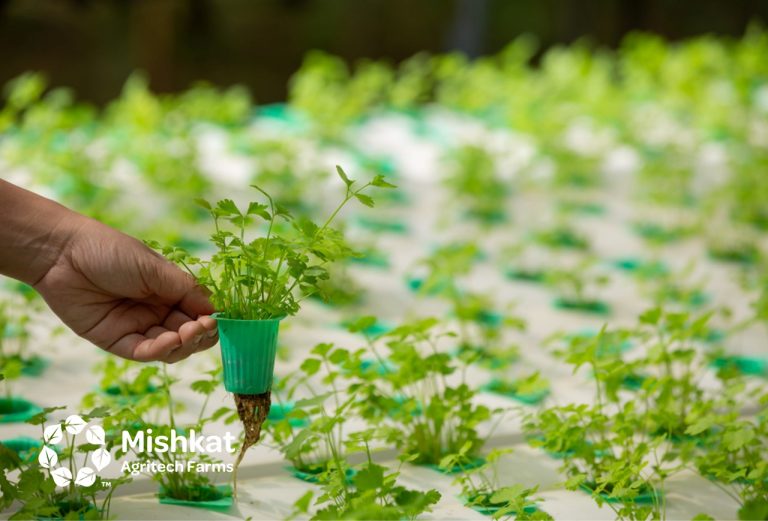
Aquaponics Crops and Plants. Aquaponics links fish and plants in one recirculating system where both benefit. Fish produce waste, bacteria turn that waste into plant available nutrients, and plant roots clean the water before it returns to the fish tanks. When you choose the right aquaponics crops and plants, this cycle becomes a steady, low maintenance source of fresh food.
Not all plants respond the same way to water based growing. Some love constant moisture and moderate nutrients, while others need deeper media, warmer water, or more light. This guide walks through the most reliable aquaponic crops, how to group them, and how to plan a planting layout that stays balanced over time.
We will focus on practical, proven choices, including lettuce, peppers, basil, cucumbers, tomatoes, cabbage, kale, strawberry, chives, mint, parsley, Swiss chard, watercress, radish, spinach, beans, broccoli, carrot, cauliflower, cilantro, eggplant, ferns, ginger, and marigolds.
Table of Contents
How to choose plants for aquaponics
Core selection principles
Before thinking about individual crops, it helps to understand what makes a plant a good aquaponics candidate.
Key factors:
- Water temperature range that matches your fish
- Tolerance of constant moisture around roots
- Nutrient demand compared to your fish load
- Root structure and weight in media, rafts, or vertical towers
- Market value or usefulness in your kitchen
General guidelines for beginners
For a new or lightly stocked system, focus on:
- Fast-growing leafy greens
- Simple herbs
- A few compact, light fruiting plants
Once your biofilter matures and your fish stocking density increases, you can add heavier feeders such as tomatoes, peppers, cucumbers, and eggplant.
Quick overview of recommended aquaponics crops
The table below gives a simple snapshot of each crop and its typical role.
| Crop | Category | Climate preference | Nutrient demand | Difficulty |
|---|---|---|---|---|
| Lettuce | Leafy green | Cool to mild | Low | Easy |
| Kale | Leafy green | Cool to mild | Low to medium | Easy |
| Swiss chard | Leafy green | Mild | Medium | Easy |
| Spinach | Leafy green | Cool | Low | Medium |
| Cabbage | Leafy head | Cool to mild | Medium | Medium |
| Watercress | Leafy green | Cool | Low | Easy |
| Tomatoes | Fruiting veg | Warm | High | Advanced |
| Peppers | Fruiting veg | Warm | High | Advanced |
| Cucumbers | Fruiting veg | Warm | High | Advanced |
| Beans | Fruiting veg | Mild to warm | Medium | Medium |
| Eggplant | Fruiting veg | Warm | High | Advanced |
| Strawberry | Fruit | Mild | Medium | Medium |
| Basil | Herb | Warm | Medium | Easy |
| Mint | Herb | Mild | Low | Easy |
| Parsley | Herb | Mild | Low | Easy |
| Cilantro | Herb | Cool to mild | Low | Medium |
| Chives | Herb | Wide range | Low | Easy |
| Radish | Root | Cool to mild | Low | Easy |
| Carrot | Root | Cool to mild | Medium | Medium |
| Ginger | Rhizome | Warm | Medium | Medium |
| Broccoli | Brassica | Cool | Medium | Medium |
| Cauliflower | Brassica | Cool | Medium | Medium |
| Ferns | Ornamental/edible | Mild, shaded | Low | Easy |
| Marigolds | Support flower | Mild to warm | Low | Easy |
Turn your vision into a data-backed plan with Mishkat
Book a quick, free assessment session with the Mishkat Services team: we define your goals and align them with the market and your budget, and deliver a one-page roadmap with expected returns, operating options, and linking to a purchase agreement when needed, with no obligation.
Use this table as a planning reference, then dive into each group in more detail.
Leafy greens and salad crops
Leafy greens are the backbone of many aquaponic systems. They grow quickly, tolerate small changes in water quality, and give frequent harvests.
Lettuce
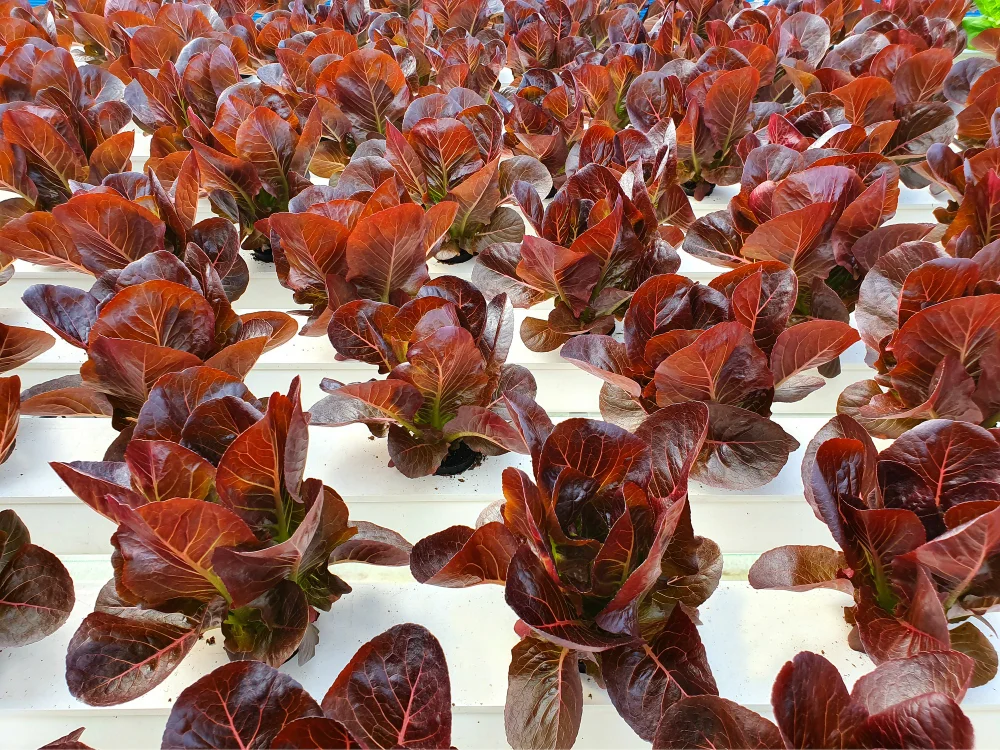
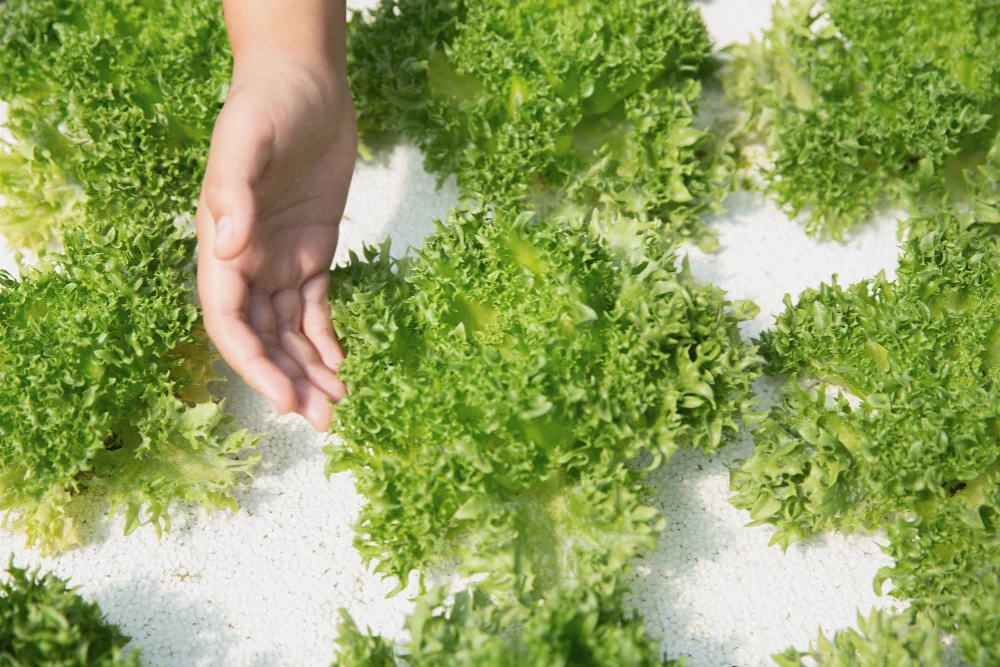
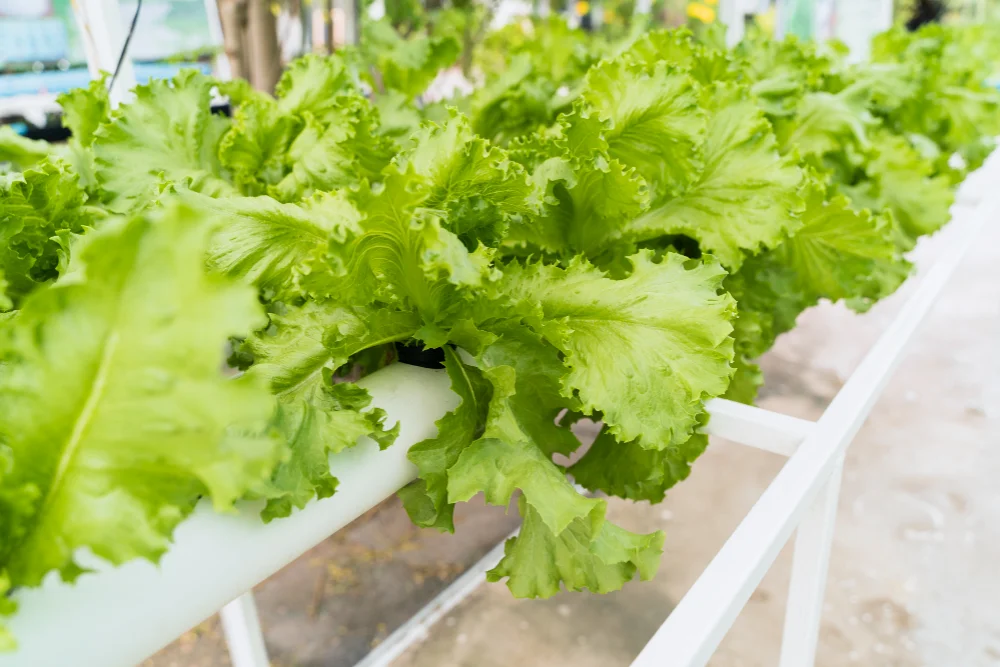
Lettuce is often the first aquaponics crop people try, and for good reason. It has shallow roots, quick growth, and consistent demand in home kitchens and markets.
Typical features:
- Prefers cool to mild temperatures and gentle light
- Works well in rafts, media beds, and vertical towers
- Can be harvested as full heads or cut and come again leaves
Stagger plantings every one or two weeks so you always have fresh lettuce coming ready. Loose leaf and romaine types are especially forgiving.
Kale
Kale is a robust leafy green that fits nicely into Aquaponics Crops and Plants once your system is running smoothly. It tolerates mild heat and mild cold better than many lettuces.
What makes kale useful:
- Long production window if you pick outer leaves only
- Slightly higher nutrient demand, which suits maturing systems
- High nutritional value that adds diversity to your harvests
Kale grows best in media beds where roots have room to anchor. It pairs well beside herbs and brassicas.
Swiss chard
Swiss chard looks like a colorful blend of spinach and beet greens. In aquaponics it produces thick stems and large leaves that keep coming back after each cut.
Key points:
- Thrives in mild conditions with regular moisture
- Handles temperature swings better than delicate greens
- Provides steady harvests for many months
Give Swiss chard enough spacing so its wide leaves can open fully without shading smaller crops.
Spinach
Turn your vision into a data-backed plan with Mishkat
Book a quick, free assessment session with the Mishkat Services team: we define your goals and align them with the market and your budget, and deliver a one-page roadmap with expected returns, operating options, and linking to a purchase agreement when needed, with no obligation.
Spinach is a cool season favorite. It loves cooler water and air and can struggle in hot, bright conditions.
Practical tips:
- Grow in shaded areas or cooler seasons
- Use rafts or shallow media beds with good oxygenation
- Treat as a seasonal crop and rotate with warm herbs like basil
Because spinach is nutrient dense and popular, it is worth building it into your cooler weather planting plans.
Cabbage
Cabbage is slower and heavier than lettuce but very suitable for media beds. It forms tight heads and needs more space and time.
Considerations:
- Prefers cool to mild temperatures and steady nutrients
- Needs strong root support for the heavy head
- Works well as a seasonal crop where space is not limited
You can pick a few outer leaves as the head forms, but avoid overharvesting so the plant can still reach full size.
Watercress
Watercress is almost custom built for aquaponics. It likes flowing water, high oxygen levels, and constant moisture.
Benefits:
- Rapid growth and frequent cuttings
- Strong peppery flavor that adds value to salads and sandwiches
- Performs well at outlets and channels where water is moving
Manage watercress carefully so it does not form dense mats that obstruct water flow.
Culinary herbs for aquaponics
Herbs are compact, high value, and very forgiving, which makes them perfect companions to leafy greens.
Basil
Basil is one of the most productive herbs in warm aquaponic systems. It loves warm water, lots of light, and steady nutrients.
Use basil for:
Turn your vision into a data-backed plan with Mishkat
Book a quick, free assessment session with the Mishkat Services team: we define your goals and align them with the market and your budget, and deliver a one-page roadmap with expected returns, operating options, and linking to a purchase agreement when needed, with no obligation.
- High volume harvests that respond well to pruning
- Companion planting near tomatoes and peppers
- A premium product for fresh pesto, salads, and sauces
Regular trimming keeps basil bushy and prevents early flowering.
Mint
Mint is vigorous and sometimes invasive, but that can be an advantage if you manage it well.
Key traits:
- Tolerates a wide range of temperatures and conditions
- Grows quickly in media beds and small containers
- Ideal for teas, desserts, and fresh drinks
Plant mint in its own pot or section so its roots do not overwhelm more delicate crops.
Parsley
Parsley starts slowly, then becomes a reliable long term producer.
Good uses:
- Fills gaps between larger plants in media beds
- Continues to produce for many months with regular cutting
- Works as both garnish and fresh leafy herb
Flat leaf parsley is common in cooking, while curly parsley adds visual appeal.
Cilantro
Cilantro prefers cooler conditions and tends to bolt in high heat, especially with long daylight hours.
Practical advice:
- Grow cilantro during cooler seasons or in shaded areas
- Harvest regularly to delay flowering
- Consider growing for both leaves and seeds (coriander)
Cilantro fits well with other cool lovers such as lettuce, spinach, and watercress.
Chives
Chives are hardy and undemanding. They form clumps of hollow leaves that regrow easily after cutting.
Turn your vision into a data-backed plan with Mishkat
Book a quick, free assessment session with the Mishkat Services team: we define your goals and align them with the market and your budget, and deliver a one-page roadmap with expected returns, operating options, and linking to a purchase agreement when needed, with no obligation.
Advantages:
- Fit in small spaces at bed edges or corners
- Mild onion flavor that complements many dishes
- Slight pest deterrent effect due to their scent
Chives are ideal background plants that quietly add value without needing special care.
Fruiting vegetables and berries
Fruiting crops are usually heavier feeders and are best introduced once your system is mature and your fish load is stable.
Tomatoes
Tomatoes are iconic in aquaponics but demand more attention than leafy greens.
Important points:
- Prefer warm water, high light, and balanced nutrients
- Need strong root support in media beds
- Require pruning, training, and often trellising
Start with compact or determinate varieties if space is tight. Monitor for calcium and potassium deficiencies, which show up in leaf and fruit issues.
Peppers
Peppers, whether sweet or hot, perform well in warm, stable aquaponic systems.
Characteristics:
- Similar environmental needs to tomatoes
- Benefit from steady temperatures and gentle airflow
- Produce over a long window if picked regularly
Compact pepper varieties are easier to manage indoors or in small greenhouses.
Cucumbers
Cucumbers grow fast and vigorously, producing long vines and heavy yields.
Growing tips:
- Train vines up strings or trellises to save space
- Use varieties suited to protected culture, such as those that self pollinate
- Ensure good aeration and filtration since cucumbers drink heavily
Turn your vision into a data-backed plan with Mishkat
Book a quick, free assessment session with the Mishkat Services team: we define your goals and align them with the market and your budget, and deliver a one-page roadmap with expected returns, operating options, and linking to a purchase agreement when needed, with no obligation.
Harvest cucumbers frequently to keep plants productive and fruits tender.
Beans
Beans bring diversity to your system and can climb up trellises or netting.
Basic guidelines:
- Prefer mild to warm temperatures
- Grow well in media beds with vertical support
- Continue producing as long as pods are picked regularly
While beans naturally fix some nitrogen, in a fish based system their main role is as a productive vegetable rather than a fertilizer source.
Eggplant
Eggplant suits warm climates and nutrient rich media beds.
Key needs:
- Warm water and air, with good light
- Strong staking or cages to support stems and fruit
- Regular feeding from a well stocked fish tank
Eggplant fruits can be quite heavy, so check that your media bed structure is robust enough.
Strawberry
Strawberry brings fruit into your aquaponic garden and can be a high value crop.
How to use strawberries:
- Grow in vertical towers, NFT channels, or well drained media
- Keep crowns above constant standing water to prevent rot
- Provide good airflow so leaves and fruits dry quickly
Strawberries appreciate cooler root zones and moderate air temperatures, which may require shading in hot climates.
Root and specialty crops
Root and rhizome crops need more careful bed design but can do well in aquaponic media.
Radish
Radish is one of the simplest roots to grow in aquaponics.
Benefits:
- Short crop cycle, often around one month
- Modest space requirements
- Good fit in cool to mild conditions
Use loose media and avoid overcrowding so bulbs form properly.
Carrot
Carrots are more challenging, yet still possible with planning.
Recommendations:
- Use deep, loose media that allows straight root growth
- Choose shorter or cylindrical varieties that suit shallow beds
- Keep moisture consistent to avoid cracking and deformities
Plant carrots in dedicated sections where other plants will not disturb their root development.
Ginger
Ginger is a longer cycle crop that thrives in warm, moist conditions.
Practical notes:
- Grows from rhizomes that slowly expand through the media
- Prefers filtered light or partial shade rather than intense direct sun
- Can be harvested as young ginger for a faster turnover or left longer for mature rhizomes
Ginger can become a signature crop for markets that value fresh, chemical free spice.
Brassicas, support, and companion plants
Some plants in aquaponics play both food and support roles, helping balance the system and ecosystem.
Broccoli
Broccoli is a cool season brassica that needs stable conditions.
Key points:
- Prefers cool temperatures and steady nutrients
- Requires good spacing for large leaves and heads
- Produces side shoots after the main head is cut, extending the harvest
Plan broccoli as a seasonal crop and rotate with fast greens in the same bed.
Cauliflower
Cauliflower is a little more sensitive than broccoli but can still be managed.
Considerations:
- Needs cool, consistent conditions with minimal stress
- Often benefits from partial shading over the head to maintain color
- Has a longer crop cycle, so plan bed usage carefully
Cauliflower rewards patient growers with dense, high value heads.
Ferns
Ferns are often ornamental in aquaponics, though some species have edible young shoots.
Useful roles:
- Add visual appeal to display systems and green walls
- Enjoy moist, shaded areas above or near fish tanks
- Help create a cooler, more humid microclimate
While not a staple food crop, ferns can improve the overall feel of a system in homes, schools, or restaurants.
Marigolds
Marigolds are classic companion flowers that support the wider system.
Benefits:
- Attract beneficial insects and pollinators
- Help distract or deter some pests
- Provide color and visual interest around media beds
You can plant marigolds in media beds, in pots near the system, or along access paths, as long as their roots do not block drains or outlets.
Designing your aquaponic crop mix
Group plants by climate and system zone
One of the most effective strategies is to group plants by their temperature and light needs.
Examples:
- Cool zone: lettuce, spinach, watercress, cabbage, broccoli, cauliflower, cilantro, parsley, carrots, radish, strawberry in mild conditions
- Warm zone: basil, mint, peppers, cucumbers, tomatoes, eggplant, beans, ginger, kale and Swiss chard in warmer seasons
If you use multiple beds or towers, dedicate each one to a climate group instead of mixing plants that prefer very different conditions.
Balance plant demand with fish load
Your fish produce the nutrients your plants need. If plant demand and fish output do not match, you will see issues.
Simple checks:
- Pale, slow growing plants often signal low nutrients or too many plants
- Very high nitrates suggest you need more or faster growing plants
- Fruiting crops such as tomatoes and cucumbers should follow a period of system maturity
Use test kits to monitor water quality, then adjust plant density, fish feeding, or both.
Example planting patterns
Here are sample layouts you can scale up or down:
Beginner mix in a single media bed
- Front row: lettuce, radish, cilantro
- Middle row: kale, Swiss chard, parsley, chives
- Back row: basil, mint, a few peppers or bush tomatoes
Two bed layout
- Bed 1 (cool): lettuce, spinach, watercress, cabbage, broccoli, radish, carrots, cilantro
- Bed 2 (warm): basil, mint, parsley, tomatoes, peppers, cucumbers, beans, eggplant, ginger
Decorate edges with marigolds and place small fern planters where shade and humidity are higher.
Conclusion
Aquaponics turns fish waste into plant nutrients and plant roots into a natural filter for the water. When you select the right aquaponics crops and plants, this cycle becomes efficient, stable, and productive. Leafy greens such as lettuce, kale, Swiss chard, spinach, cabbage, and watercress give fast, reliable harvests. Herbs like basil, mint, parsley, cilantro, and chives add flavor and value with very little extra work.
As your system matures, you can expand into fruiting crops like tomatoes, peppers, cucumbers, beans, eggplant, and strawberry, along with root and specialty crops such as radish, carrot, and ginger. Brassicas, ferns, and marigolds complete the picture by adding diversity, structure, and support.
Start simple, track how your plants respond, and adjust your crop mix to match your climate, fish load, and goals. With a thoughtful plant plan and clear heading in your system design, aquaponics can become a dependable source of fresh, clean food all year.
source: wikipedia
Turn your vision into a data-backed plan with Mishkat
Book a quick, free assessment session with the Mishkat Services team: we define your goals and align them with the market and your budget, and deliver a one-page roadmap with expected returns, operating options, and linking to a purchase agreement when needed, with no obligation.