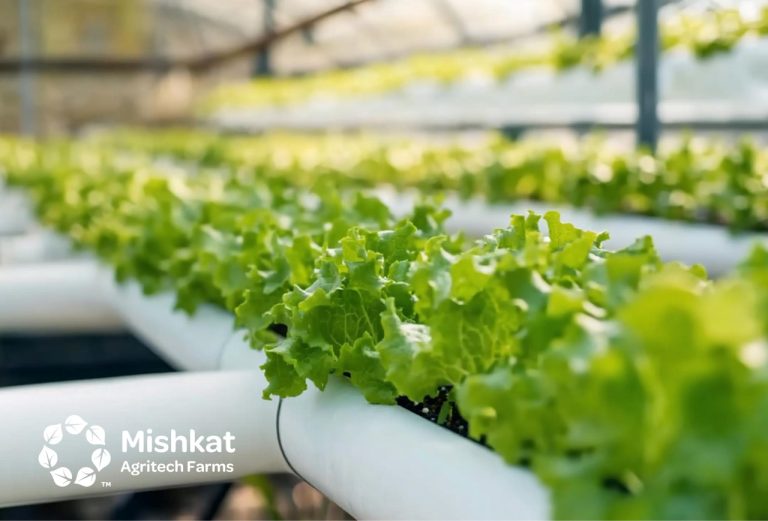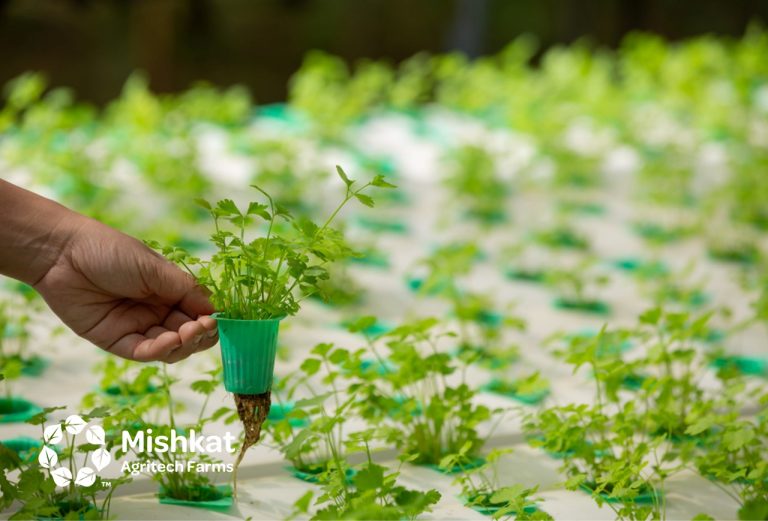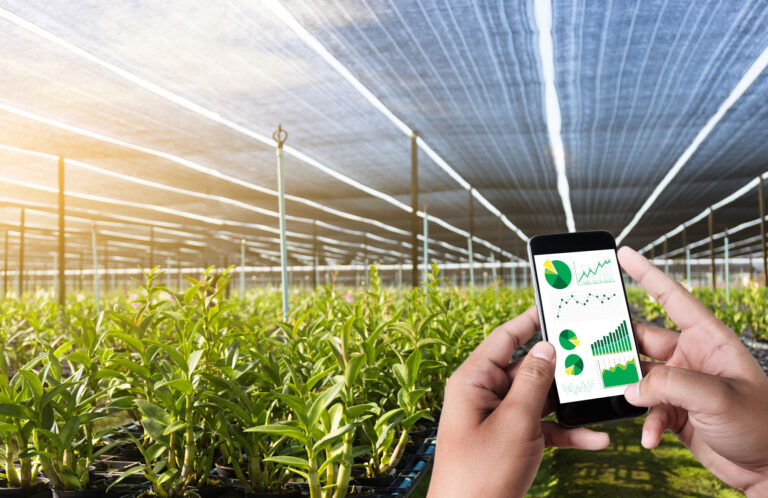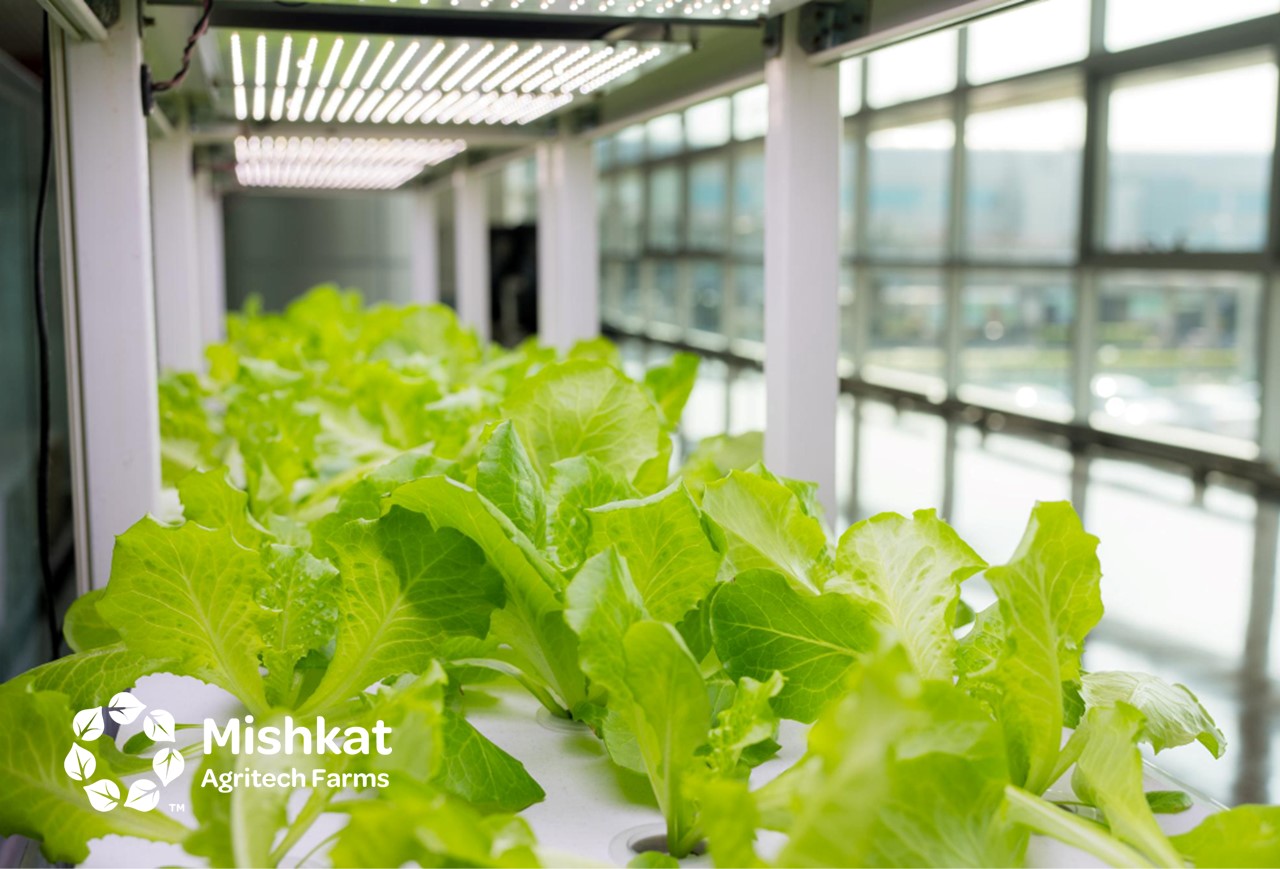
Vertical hydroponics can turn heat, scarce water, and expensive land into a disciplined production plan when the system is designed for Saudi conditions. This guide explains how to choose the right vertical form factor, size the climate and water loops, estimate unit economics, and avoid the common traps that sink new projects. You will get a clear framework, a step-by-step setup path, a quick-win mini case for hospitality, and a due diligence checklist that helps you compare proposals.
Article Contents
Introduction: why vertical hydroponics is different here
Vertical hydroponics is often pitched as “more yield in less space.” In Saudi Arabia, the game is a bit weirder and more interesting: vertical hydroponics is also about controlling heat load, protecting product quality, and using water like it is a financial asset.
What does “good” look like for vertical hydroponics in Riyadh, Jeddah, Al Khobar, or new giga-project districts? How do you keep projects profitable when electricity and labor are real costs, and when a weak design can turn a farm into a dehumidifier with plants attached?
This article breaks vertical hydroponics into decisions you can actually make: product strategy, system form factor, climate envelope, water quality, operations, and economics. Then we translate that into a roadmap you can use to plan, budget, and execute.
Vertical hydroponics in Saudi Arabia: the problem and the stakes
Problem and stakes
Saudi national statistics reported that agriculture water consumption reached 12,298 million cubic meters in 2023. In the same 2023 publication, agriculture consumption of non-renewable groundwater was 9,356 million cubic meters, down 7% from 10,044 million cubic meters in 2022.
A 2024 Saudi central-bank research paper noted that food goods imports were about 15.7% of total imports in 2022, and it framed this as evidence that dependence on imported food remains substantial.
Vertical hydroponics matters because these numbers create a strategic constraint: food supply is exposed to global price shocks, and water supply is under tightening management. Vertical hydroponics is not a magic wand, but it is one of the few production methods that can be engineered to deliver predictable output per square meter, per liter, and per labor hour.
What “vertical hydroponics” really means
Vertical hydroponics is not one system. It is a family of hydroponic approaches that stack plants in a vertical direction, so the farm uses height as a production surface. The shared logic is simple: lift production into the air, then control light, airflow, water, and nutrients so plants grow fast and consistently.
In practice, vertical hydroponics splits into three realities:
- Greenhouse systems, where sunlight is the main energy source and the structure increases planting density.
- Indoor systems, where artificial light controls growing cycles and quality.
- Hybrid systems, where a greenhouse uses supplemental lighting and tighter climate control in peak heat.
Each one can work in Saudi Arabia. Each one can also fail if the design ignores heat load, water chemistry, and operations.
Choosing the right product strategy for vertical hydroponics
Vertical hydroponics succeeds when the crop matches the system and the route to market. Before you choose hardware, choose your “sales truth” for vertical hydroponics.
Vertical hydroponics is strongest for:
- Fresh leafy greens that need consistent quality.
- High-value herbs where aroma and cleanliness matter.
- Specialty baby leaf blends for premium outlets.
- Microgreens for hospitality and high-end retail.
Turn your vision into a data-backed plan with Mishkat
Book a quick, free assessment session with the Mishkat Services team: we define your goals and align them with the market and your budget, and deliver a one-page roadmap with expected returns, operating options, and linking to a purchase agreement when needed, with no obligation.
Vertical hydroponics is weaker for:
- Large fruiting crops that need more root volume and spacing.
- Crops where price is driven mainly by bulk commodity markets.
A vertical hydroponic garden in hospitality is usually about experience plus freshness, not maximum tonnage.
Vertical hydroponics for retail chains is usually about consistency, packaging, and predictable supply windows.
Vertical hydroponics for investors is usually about unit economics: price, yield, waste, and repeatable operations.
Vertical hydroponic systems in commercial projects should start with one or two hero products, then expand once operations are stable.
Vertical hydroponic towers are often ideal for herbs and mixed greens where harvest can be frequent and staff can move quickly.
Market channels that fit vertical hydroponics in Saudi Arabia
Vertical hydroponics can sell into three broad channels, and each channel changes the design.
Hotels, restaurants, and catering teams want freshness, daily supply, and a story. Vertical hydroponics is a fit when packaging is simple and delivery is short.
Premium retail wants stable sizes, clean packs, and tight shelf life. Vertical hydroponics is a fit when you can hold quality through cooling and transport.
Institutional buyers want steady volume at stable prices. Vertical hydroponics is a fit when the farm is big enough to deliver predictable weekly output.

Vertical hydroponics system types and when to use each
Vertical hydroponics comes in recognizable form factors. The trick is matching form factor to climate control, labor, and maintenance for vertical hydroponics.
A vertical hydroponic garden can use a wall panel for beauty and a small tower for output, but vertical hydroponics at commercial scale needs consistency more than aesthetics.
Vertical hydroponic systems should be designed around easy cleaning, stable flow, and predictable access for staff.
Vertical hydroponic towers are compact and modular, but they require careful attention to flow uniformity and root-zone oxygen.
Table: common vertical hydroponics options in Saudi projects
| Vertical hydroponics option | Best use case in Saudi Arabia | Main strength | Main risk | Good first crops |
|---|---|---|---|---|
| Vertical towers (recirculating) | Fast start, modular expansion | High density in small space | Uneven flow, biofilm buildup | Basil, mint, lettuce, kale |
| A-frame channels in greenhouse | Medium to large greenhouse | Uses sunlight efficiently | Heat pockets, access issues | Lettuce, baby leaf |
| Vertical wall panels | Hospitality and showcase areas | Visual impact | Low throughput | Herbs, leafy greens |
| Multi-tier racks (indoor) | Premium indoor farms | Tight quality control | Electricity and dehumidification | Herbs, baby leaf, microgreens |
| Hybrid greenhouse with racks | High heat months with quality control | Balanced energy use | Complexity | Lettuce, herbs |
Turn your vision into a data-backed plan with Mishkat
Book a quick, free assessment session with the Mishkat Services team: we define your goals and align them with the market and your budget, and deliver a one-page roadmap with expected returns, operating options, and linking to a purchase agreement when needed, with no obligation.
From a vertical hydroponic garden to a scalable farm
Vertical hydroponics can start as a showcase and evolve into an operating asset. The difference is not only size. The difference is repeatability.
- A vertical hydroponic garden in a lobby works when it is designed for staff access, easy cleaning, and safe water handling.
- A vertical hydroponic garden in a shaded courtyard works when it is protected from dust and has stable airflow that keeps leaves dry.
- A vertical hydroponic garden in a restaurant back-of-house works when it is sized for daily harvest and the crop list stays narrow.
- A vertical hydroponic garden in a rooftop space works when heat and wind are controlled, and when the water loop is protected from temperature spikes.
- A vertical hydroponic garden in a resort landscape works when irrigation overspray is avoided and pests are managed without harsh chemicals.
- A vertical hydroponic garden in a private villa works when maintenance is simple enough for non-specialists.
- A vertical hydroponic garden in a school or training site works when the system is transparent, safe, and built to survive curiosity.
- A vertical hydroponic garden in a mall activation works when it is engineered for hygiene, not just photos.
- A vertical hydroponic garden in a corporate HQ works when output is predictable and staff do not treat it as decoration.
- A showcase garden in a clinic or wellness space works when odor, noise, and cleanliness are tightly controlled.
- A showcase garden near hospitality zones works when the farm supports community meals and respects operational rhythms.
- A staff dining garden works when harvest, washing, and packing are standardized.
- A visitor-center garden works when dust filtration is treated like a core design input.
- A premium grocer entrance garden works when the farm is paired with cold storage so freshness becomes real, not symbolic.
- A farm-to-table concept garden works when chefs commit to using the crop list, week after week.
- A vertical hydroponic garden becomes a liability when nobody owns daily tasks. Vertical hydroponics needs an operator, even when it looks small.
- A vertical hydroponic garden becomes a profit tool when it feeds a menu, reduces waste, and makes freshness visible.
Mishkat Company Services often help hospitality teams turn a vertical hydroponic garden into a stable routine so the experience stays fresh without adding chaos.
Designing vertical hydroponics for Saudi heat and humidity
Vertical hydroponics lives or dies by climate physics. In Saudi Arabia, you are fighting three enemies: heat load, humidity load, and dust. The design must keep leaf temperature and humidity in the crop comfort zone.
Greenhouse setups must handle summer afternoons without letting leaf temperature spike. Indoor setups must handle humidity so the crop does not invite disease. A design that ignores airflow usually underperforms even if the hardware looks impressive.
The “four loops” model
Think of vertical hydroponics as four loops that must stay stable:
- Air loop: temperature, humidity, airflow pattern, filtration.
- Light loop: sunlight management or LEDs, photoperiod, shading.
- Water loop: source water, filtration, nutrients, recirculation, sanitation.
- Operations loop: people, cleaning, harvest, packing, cold chain.
If any loop fails, vertical hydroponics becomes expensive chaos.
Climate choices that change ROI in vertical hydroponics
Vertical hydroponics projects usually underestimate climate cost. These choices change the economics:
- Envelope: insulated panels vs basic poly cover.
- Shading: seasonal shading, retractable screens, or fixed shade.
- Cooling method: evaporative cooling vs mechanical cooling.
- Dehumidification: the hidden cost in indoor farms.
- Air distribution: ducts and fans that avoid dead zones around plants.
A vertical hydroponic garden in a hotel atrium can tolerate lower efficiency, but commercial vertical hydroponics cannot.
Dust and filtration: the Saudi-specific layer
Vertical hydroponics needs clean air. Dust blocks stomata, stresses plants, and clogs filters. For vertical hydroponics, treat filtration and cleaning as normal operating cost, not an exception.
Practical steps that protect vertical hydroponics:
- Use pre-filters and schedule filter checks.
- Keep entry doors and air curtains where possible.
- Design a simple wash-down workflow for non-electrical surfaces.
- Use positive pressure zones for packing when feasible.
Engineering the water loop for vertical hydroponics
Turn your vision into a data-backed plan with Mishkat
Book a quick, free assessment session with the Mishkat Services team: we define your goals and align them with the market and your budget, and deliver a one-page roadmap with expected returns, operating options, and linking to a purchase agreement when needed, with no obligation.
Vertical hydroponics recirculates water. That is good for water efficiency, but it means mistakes circulate too. Vertical hydroponics should start with a water test, then a treatment plan.
In Saudi Arabia, common water issues include high dissolved salts, variable alkalinity, and scaling risk. Vertical hydroponics needs stable water chemistry to keep nutrients available and roots healthy.
Water treatment building blocks
Vertical hydroponic systems typically combine a few building blocks:
- Mechanical filtration to remove particles before they enter channels.
- Carbon or similar media when odor or organics are present.
- Blending strategies to manage salinity without over-treatment.
- Disinfection or sanitation to reduce pathogen risk.
Vertical hydroponic towers benefit from strong filtration because small emitters and narrow channels clog faster than most people expect.
Nutrient stability without overcomplication
Vertical hydroponics does not need mystery. Keep nutrients boring and consistent.
For vertical hydroponics, you want:
- Stable EC (nutrient strength) targets by crop stage.
- Stable pH range that protects nutrient availability.
- A clear recipe by crop type and season.
- A logbook that connects actions to outcomes.
Mishkat Company Team often trains operators to treat nutrient logging as a business KPI for vertical hydroponics, not as a “grower hobby.”
Practical setup steps (numbered)
Here is a practical path to set up vertical hydroponics without skipping the boring steps that protect the business:

- Define the product list and weekly demand targets.
- Choose a form factor (towers, A-frame, racks) based on staff access and climate.
- Specify the growing area and the packing and cold spaces that the site requires.
- Confirm water source and run a full water analysis before installation.
- Select filtration, dosing, and sanitation for the water loop.
- Model heat and humidity loads for worst months and size equipment.
- Build the SOPs (standard operating procedures) for cleaning, harvest, and packing.
- Pilot one zone for 6 to 8 weeks before scaling.
Every step above reduces risk for vertical hydroponics.
A checklist for investor-grade vertical hydroponics proposals
Use this checklist when evaluating a vertical hydroponics proposal:
- Clear crop list and yield assumptions by week.
- Layout that shows nursery, growing, pack, cold, and waste handling.
- Climate design sized for peak summer weeks.
- Water treatment plan matched to local water chemistry.
- Power load estimate and backup plan.
- Labor plan with task timings and training.
- Food safety plan and traceability workflow.
- Cleaning schedule for every component that touches water.
- Spare parts list and local availability.
- Ramp plan from pilot to full output.
Mishkat Company Team often starts projects by stress-testing these assumptions before any purchase order, because vertical hydroponics is usually lost or won on paper.
Turn your vision into a data-backed plan with Mishkat
Book a quick, free assessment session with the Mishkat Services team: we define your goals and align them with the market and your budget, and deliver a one-page roadmap with expected returns, operating options, and linking to a purchase agreement when needed, with no obligation.
Vertical hydroponic systems: what to demand in the design basis
Vertical hydroponics goes wrong when the design basis is vague. This section is deliberately picky, because this category rewards picky people.
- A proposal for vertical hydroponic systems should state the target crop list, seasonality plan, and output per week.
- A proposal for vertical hydroponic systems should define how water is filtered, dosed, and sanitized, and how often water is refreshed.
- A proposal for vertical hydroponic systems should specify flow rates per line and how uniformity is maintained across levels.
- A proposal for vertical hydroponic systems should show the cleaning method, including how biofilm is removed without damaging parts.
- A proposal for vertical hydroponic systems should explain how root-zone oxygen is protected during peak heat.
- A proposal for vertical hydroponic systems should include a commissioning plan with acceptance tests.
- A proposal for vertical hydroponic systems should include a maintenance plan with required spare parts.
- A proposal for vertical hydroponic systems should document what happens during power interruptions.
- A proposal for vertical hydroponic systems should include the packing workflow and cold space sizing.
- A proposal for vertical hydroponic systems should show staff paths and safe access, not just plant density.
- A proposal for vertical hydroponic systems should include a plan for pest control that does not contaminate edible plants.
- A proposal for vertical hydroponic systems should estimate labor hours per week for seeding, transplanting, harvest, and cleaning.
- A proposal for vertical hydroponic systems should be tested against local water chemistry and scaling risk.
- A proposal for vertical hydroponic systems should have clear assumptions for reject rate and quality grading.
- A proposal for vertical hydroponic systems should state which parts are consumable and their expected replacement frequency.
Operating vertical hydroponic towers without surprises
Vertical hydroponics becomes profitable when maintenance is predictable. Towers look simple, but they concentrate risk into small flow paths.
- For vertical hydroponic towers, uniform water distribution is the first rule. A small imbalance becomes a quality gap in days.
- For vertical hydroponic towers, root-zone oxygen is the second rule. Warm water holds less oxygen, so pumps and aeration must be sized for summer.
- For vertical hydroponic towers, cleaning access is the third rule. If staff cannot open, brush, and flush quickly, biofilm will win.
- For vertical hydroponic towers, filtration is the fourth rule. Dust and fine particles turn into sludge in recirculating loops.
- For vertical hydroponic towers, crop selection is the fifth rule. Dense roots in the wrong crop can choke a tower.
- For vertical hydroponic towers, harvest method is the sixth rule. Decide if you harvest whole heads or cut-and-come-again, and design spacing accordingly.
- For vertical hydroponic towers, temperature control is the seventh rule. Keep reservoirs shaded and protect lines from direct sun.
- For vertical hydroponic towers, leak detection is the eighth rule. Small leaks become big humidity and mold problems indoors.
- For vertical hydroponic towers, nursery discipline is the ninth rule. Weak transplants cause uneven growth that looks like a system failure.
- For vertical hydroponic towers, spare parts are the tenth rule. Keep seals, nozzles, and pumps ready so downtime stays small.
- For vertical hydroponic towers, staff training is the eleventh rule. A tower farm scales only when tasks are teachable.
- For vertical hydroponic towers, data logging is the twelfth rule. Track what you change, or you cannot improve vertical hydroponics.
Economics of vertical hydroponics: the numbers that matter
Vertical hydroponics economics should be framed as unit economics, not “total project cost.” Investors who win in vertical hydroponics track the few variables that actually move profit.
A simple unit economics template
For vertical hydroponics, track these monthly metrics:
- Revenue = (kg sold) x (average price per kg)
- Gross margin = revenue – (seeds, nutrients, packaging, consumables)
- Contribution margin = gross margin – (labor + electricity + water + logistics)
- Profit per square meter = contribution margin / productive area
Vertical hydroponics can look great on yield per square meter and still lose money on labor or humidity control. That is why the template matters for vertical hydroponics.
A quick framework for comparing designs
When two vertical hydroponics proposals look similar, compare them using one scorecard:
- Complexity score (1 to 5): how many things can fail daily?
- Cleanability score (1 to 5): how fast can a zone be cleaned?
- Access score (1 to 5): can staff reach every plant without strain?
- Climate burden score (1 to 5): how much cooling and drying does it require?
- Expandability score (1 to 5): can you add zones without redesign?
This simple scorecard often predicts which vertical hydroponics site will still be operating well in year two.
Table: commissioning KPIs for vertical hydroponics
| KPI | Why it matters in vertical hydroponics | Simple target logic |
|---|---|---|
| Water flow uniformity | Prevents uneven growth | Measure outlets, keep variation low |
| EC and pH stability | Protects nutrient availability | Keep daily drift small |
| Leaf temperature control | Protects quality in summer | Stay within crop comfort band |
| Harvest consistency | Protects contracts | Weekly output within a narrow range |
| Reject rate | Protects margin | Track causes, fix fast |
| Labor minutes per kg | Protects scale | Reduce with SOPs and layout |
| Cleaning time per zone | Protects uptime | Make it quick and scheduled |
Mishkat Company Services can support commissioning so these KPIs are measured early and corrected before scale.
Operations: how to keep vertical hydroponics boring (in a good way)
Turn your vision into a data-backed plan with Mishkat
Book a quick, free assessment session with the Mishkat Services team: we define your goals and align them with the market and your budget, and deliver a one-page roadmap with expected returns, operating options, and linking to a purchase agreement when needed, with no obligation.
Vertical hydroponics should feel boring once it runs. The farm should look the same every day, like a well-run kitchen. Vertical hydroponics that depends on one “hero grower” is fragile.
Standard operating rhythm
A high-performing vertical hydroponics operation usually follows a rhythm:
- Daily: check climate setpoints, EC and pH, flow rates, and crop inspection.
- Weekly: harvest planning, sanitation cycle, nursery transfers.
- Monthly: deep clean a zone, recalibrate sensors, audit nutrient recipes.
- Quarterly: review varieties, update SOPs, refresh staff training.
Mishkat Company Services often include farm management support that builds this rhythm with the team, because vertical hydroponics is a process business.
Food safety and post-harvest handling
Vertical hydroponics can produce very clean plants, but only if you keep the chain clean. Vertical hydroponics is not only growing, it is also washing, packing, and cooling.
Key rules:
- Separate “dirty” and “clean” areas in the packhouse.
- Cool fast after harvest to protect freshness.
- Use simple traceability: batch, bed, date, and operator.
- Keep water sanitation logs.
A vertical hydroponic garden for hospitality should still follow basic hygiene, because the brand promise is “fresh and safe.”
Quick-win mini case: vertical hydroponics for a hospitality operator
A boutique hotel wants a visible farm-to-table feature that also supplies the kitchen. The project goal is not maximum output, it is reliable daily harvest and a guest experience. Vertical hydroponics fits because it can be clean, compact, and predictable.
The solution is a small vertical hydroponic garden built in a shaded courtyard with a dedicated nursery corner.
Phase 1 (weeks 1 to 2): install two vertical hydroponic towers, a small dosing tank, filtration, and a simple shade and fan setup.
Phase 2 (weeks 3 to 4): grow basil, mint, arugula, and lettuce, then standardize harvest and reset so vertical hydroponics becomes routine.
Phase 3 (weeks 5 to 6): add a second pair of vertical hydroponic towers and introduce a microgreens shelf for high-impact plating within the same garden space.
Expected outcome: daily fresh herbs for the kitchen, consistent quality for guests, and a visible sustainability story. Mishkat Company can support this type of hospitality design so the farm looks beautiful and still behaves like real vertical hydroponics.
Objections and edge cases
Vertical hydroponics is not always the right answer. Here are the common objections, plus what to do about them in vertical hydroponics planning.
- “Summer will cook the crop.”
Vertical hydroponics can work in summer, but only if the climate plan is sized for the worst weeks. Use shading, airflow design, and either evaporative cooling or mechanical cooling based on humidity. - “Water is too salty.”
Vertical hydroponics can tolerate a range of water inputs, but you must manage salts. That might mean blending sources, using treatment, and controlling recirculation replacement rates. - “Labor will be a headache.”
Vertical hydroponics is labor-efficient only when tasks are standardized. Design for access, reduce bending, and build training. Mishkat Company Team often creates task timing sheets so the labor plan for vertical hydroponics is real, not wishful. - “Disease risk is high in recirculation.”
Vertical hydroponics reduces soil-borne risks, but water-borne pathogens can spread. Use filtration, sanitation, and strict hygiene. - “The tech feels complicated.”
Vertical hydroponics should be simple where it can be. Avoid unnecessary sensors. Measure what you will act on in vertical hydroponics operations. - “Hospitality farms are just marketing.”
A vertical hydroponic garden can be marketing, but it can also be a supply tool if it is sized and operated properly. Keep the crop list narrow and the workflow kitchen-friendly so vertical hydroponics stays useful.
Call to action
Vertical hydroponics becomes far less risky when you treat it as an engineered production system, not a gadget. If you are planning a greenhouse upgrade, a new indoor farm, or a hospitality farm-to-table feature, Mishkat Company can help you design vertical hydroponics, model the economics, and train the team so the farm grows reliably.
FAQs About Vertical Hydroponics
How much space do I need for vertical hydroponics to be viable?
This approach can start small, but viability depends on labor and market access. A hospitality vertical hydroponic garden can be viable at a few square meters if the goal is daily herbs. Commercial vertical hydroponics usually needs enough area to justify a pack and cold workflow.
Are vertical hydroponic towers better than racks?
Vertical hydroponic towers are great for fast modular expansion and mixed crops, but racks offer better uniformity for indoor control. Choose based on labor access, cleaning, and climate costs for vertical hydroponics.
Can vertical hydroponics work in a greenhouse without heavy cooling?
Sometimes. In milder months, vertical hydroponics can use shading and airflow to stay in range. In peak summer, most projects need a stronger cooling plan to protect quality.
What crops are safest for first-time vertical hydroponics teams?
Start with lettuce, arugula, basil, and mint. They fit vertical hydroponics well and allow fast learning cycles. Keep variety count low until vertical hydroponics routines are stable.
How do I estimate yield in vertical hydroponics?
Use conservative assumptions. Start with expected plants per square meter and average grams per plant, then apply a reject factor. Pilot results beat spreadsheets in vertical hydroponics.
What are the most common failures in vertical hydroponics projects?
Overpromised yields, undersized climate design, poor water treatment, and weak SOPs. Failures usually come from ignoring operations.
Does vertical hydroponics save water in Saudi Arabia?
Yes, relative to open-field methods, because water is recirculated and protected. The real savings depend on how well you manage leaks, replacement rates, and sanitation in vertical hydroponics.
How long does it take to reach stable output?
Most vertical hydroponics projects need 8 to 12 weeks to stabilize recipes and workflows, even if plants grow quickly. Rushing scale is expensive.
What should I demand from a supplier or EPC contractor?
Ask for a full design basis, equipment sizing, water plan, and SOPs. Ask for performance assumptions and what happens if they are missed. Mishkat Company Services can support vendor comparison and commissioning.
Conclusion About Vertical Hydroponics
- Vertical hydroponics is a climate and operations system, not just a planting system.
- Start with a narrow product list and a clear route to market.
- Choose form factors that are easy to clean and easy to access.
- Size cooling and humidity control for peak summer weeks.
- Treat water quality as a design input, not an afterthought.
- Pilot before scaling, and build SOPs early.
Vertical hydroponics can be a serious tool for Saudi farms and hospitality operators when it is designed for heat, water chemistry, and people. Build vertical hydroponics to be boring, and it will quietly produce fresh food with predictable economics.
Proof and credibility About Vertical Hydroponics
Mishkat Company Team works across hydroponics and aquaponics, greenhouse design, farm management, and hospitality farm-to-table concepts in Saudi Arabia. A strong vertical hydroponics project is usually the result of clear design assumptions, practical operations planning, and disciplined commissioning, not a flashy brochure.
Sources About Vertical Hydroponics
- General Authority for Statistics (Saudi Arabia), 2023, https://www.stats.gov.sa/documents/20117/2067030/Water%2BAccounts%2BPublication%2B2023%2BEN.pdf/11312e80-41b6-1eb0-a14f-177a790590e9?t=1735923570932 (الهيئة العامة للإحصاء)
- Saudi Central Bank (SAMA) Working Paper WP2024-3, 2024, https://www.sama.gov.sa/en-US/EconomicResearch/WorkingPapers/WP2024-3.pdf (Saudi Central Bank)
- World Resources Institute, 2023, https://www.wri.org/applications/aqueduct/water-risk-atlas/ (Global Water Expo)
- U.S. Department of Agriculture Foreign Agricultural Service, 2023, https://apps.fas.usda.gov/newgainapi/api/Report/DownloadReportByFileName?fileName=Exporter+Guide_Riyadh_Saudi+Arabia_SA2023-0014 (KAUST)
- Saline Water Conversion Corporation (SWCC), 2024, https://www.swcc.gov.sa/en (wri.org)
Turn your vision into a data-backed plan with Mishkat
Book a quick, free assessment session with the Mishkat Services team: we define your goals and align them with the market and your budget, and deliver a one-page roadmap with expected returns, operating options, and linking to a purchase agreement when needed, with no obligation.