Aquaponic systems can be a practical fit for Saudi projects that need fresh output, tighter resource control, and a stronger farm-to-table story. For greenhouse owners, investors, and hospitality developers, aquaponics can connect fish, plants, water, and daily operations in one integrated model. This guide explains how aquaponic systems and aquaponics work, where aquaponics fits, and how to evaluate a real project without hype.
Table of Contents
Why aquaponic systems and aquaponics matter in Saudi Arabia
Aquaponic systems matter in Saudi Arabia because water is strategic, fresh food is strategic, and local production is strategic. In simple terms, aquaponics combines aquaculture and hydroponics in one loop. Fish produce waste, bacteria convert waste, plants use nutrients, and water returns to fish tanks. When aquaponic systems and aquaponics are designed well, aquaponics can support efficient growing, cleaner production, and steady commercial output.
For investors, the attraction is not only technology. Aquaponic systems can support premium herbs, leafy vegetables, selected fish, farm-to-table programs, education zones, and branded visitor experiences. For operators, aquaponics offers a symbiotic production method that can turn one water loop into an integrated source of food. For hospitality groups, aquaponic systems and aquaponics can bring fish, plants, and fresh harvest close to the kitchen.
Problem and stakes
Saudi Arabia still faces a major irrigation challenge. In a 2024 regional water review, irrigation efficiency in the Kingdom was described as around 50 percent, compared with global best practice near 85 percent. That matters because aquaponic systems, and aquaponics as a production model, both depend on better water control, efficient design, and lower waste in harsh conditions. (FAOHome)
The food side is moving too. In September 2024, Saudi officials said local fisheries and aquaculture output had already exceeded 190,000 tons and was covering around 60 percent of domestic consumption. That shows why aquaponic systems, aquaponics, aquaculture, and commercial growing are now part of a serious national conversation, not a hobby topic. (وزارة البيئة والمياه والزراعة)
What aquaponic systems and aquaponics are and how aquaponics works
Aquaponic systems are recirculating production systems. Aquaponics combines fish culture and plant production. Fish release waste into water. Bacteria convert waste into nutrients. Plants remove nutrients from water. Cleaned water returns to fish. This is the main loop in aquaponic systems, and this loop is the reason aquaponics is described as symbiotic.
A practical way to learn aquaponics is to view aquaponic systems and aquaponics as one living engine with four active components: fish, plants, water, and bacteria. Aquaponics works only when those components stay balanced. If fish are overfed, waste rises. If waste rises too fast, water quality falls. If water quality falls, fish suffer and plants suffer. If plants are weak, nutrient removal slows. That is why aquaponic systems and aquaponics need routine testing, efficient filtration, and simple design.
Another useful way to learn aquaponics is to compare it with hydroponics and aquaculture. Hydroponics focuses on plants and nutrient solution. Aquaculture focuses on fish and water quality. Aquaponic systems sit in the middle because aquaponics combines both. That combination can be powerful, but it also means aquaponic systems need more discipline than simple gardening or isolated aquaculture tanks.
Main components inside aquaponic systems and aquaponics
Every investor should understand the main components before spending on aquaponic systems and aquaponics. Aquaponics looks clean from the outside, but the value comes from hidden components working together.
- Fish tanks for fish health and fish density control
- Mechanical filters to remove solids and waste
- Biofilters to support bacteria and nutrient conversion
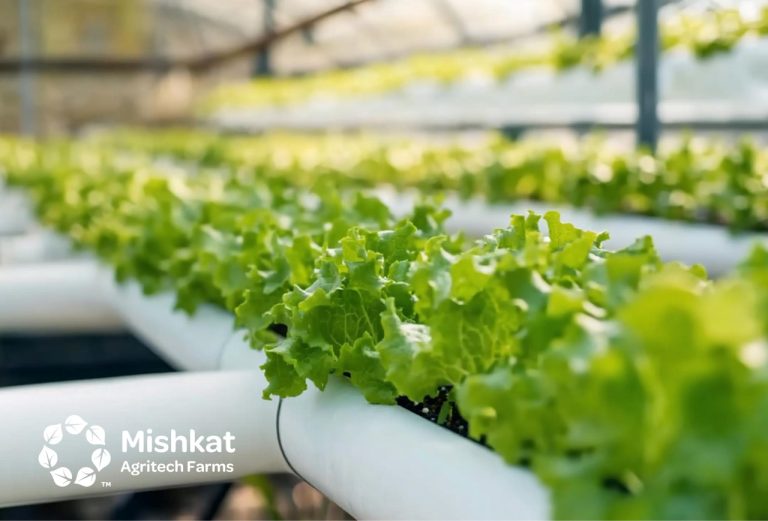
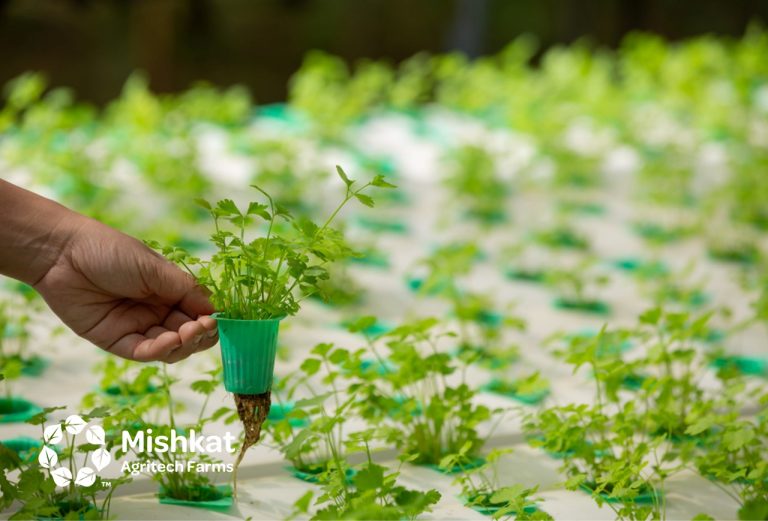
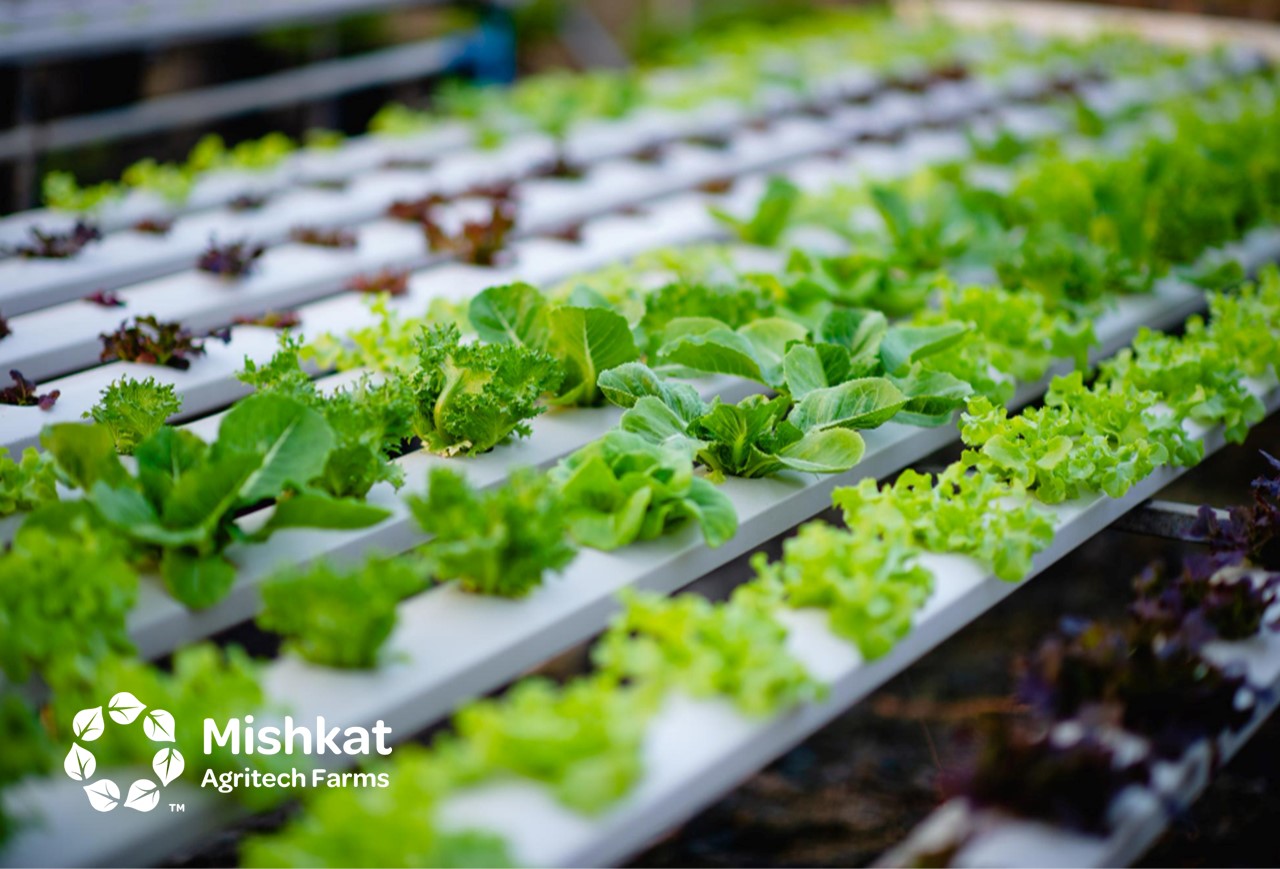
- Plant zones where plants, vegetables, and herbs grow
- Pumps and pipes that keep water moving
- Aeration equipment that protects fish and roots
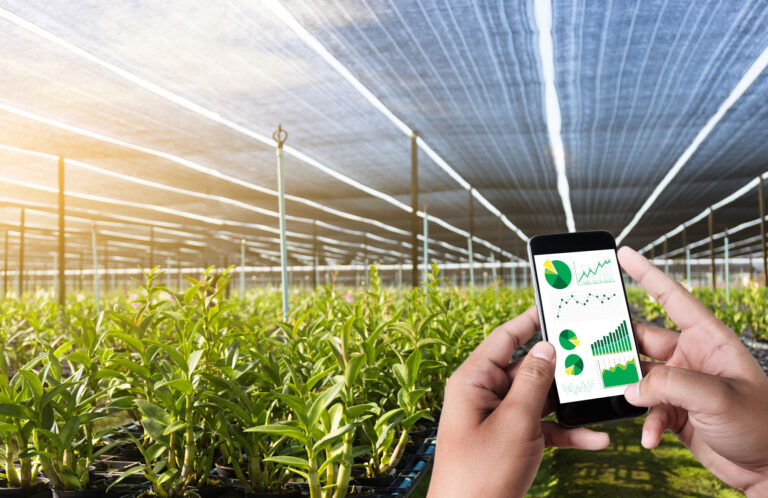
- Monitoring tools for water, nutrients, and temperature
- Backup power because aquaponic systems and aquaponics depend on constant flow
These components matter because aquaponic systems and aquaponics do not fail only from bad ideas. Aquaponics often fails from weak components, poor setup, or a build that ignores heat, maintenance, and waste removal. In Saudi conditions, efficient components and service access are even more important.
Choosing the right aquaponic systems and aquaponics model
Not all aquaponic systems and aquaponics should be built for the same purpose. Some aquaponic systems and aquaponics are meant for education. Some aquaponic systems and aquaponics are meant for commercial plants, herbs, and vegetables. Some aquaponic systems and aquaponics are meant for hospitality projects where guests can discover food production and learn how aquaponics combines fish and plants. The right design starts with the real goal.
| Project goal | Best use of aquaponic systems and aquaponics | Crop focus | Fish role | Main note |
|---|---|---|---|---|
| Education | Small aquaponic systems and aquaponics for learn and discover programs | plants, herbs, and vegetables | light stocking | keep setup simple |
| Hospitality | visible aquaponic systems and aquaponics near kitchens | plants, herbs, leaves, and edible flowers | moderate stocking | focus on fresh food |
| Commercial pilot | test aquaponics before expansion | fast growing plants | measured stocking | collect real data |
| Larger commercial farm | integrated aquaponic systems and aquaponics with clear buyers | vegetables, plants, and herbs | planned harvest | strong management needed |
Turn your vision into a data-backed plan with Mishkat
Book a quick, free assessment session with the Mishkat Services team: we define your goals and align them with the market and your budget, and deliver a one-page roadmap with expected returns, operating options, and linking to a purchase agreement when needed, with no obligation.
This table shows an important point. Aquaponic systems should match the buyer. If the buyer wants premium herbs and local food, aquaponics can support that. If the buyer wants education, aquaponic systems can work as a teaching method. If the buyer wants larger commercial supply, aquaponics must be measured against hydroponics, labor, utilities, and fish sales.
Designing aquaponic systems and aquaponics for Saudi Arabia
Good aquaponic systems and aquaponics in Saudi Arabia start with climate logic. Aquaponics depends on stable water, oxygen, and temperature. In hot months, water warms faster, fish stress rises, and waste can become harder to manage. That is why aquaponic systems and aquaponics in Saudi Arabia need conservative design, strong aeration, and practical service zones.
A useful formula for aquaponic systems and aquaponics is this:
Project strength = biological stability + water resilience + commercial fit + operator discipline
This formula is simple, but it helps. If aquaponic systems and aquaponics have strong fish health, stable water, clear commercial demand, and trained operators, aquaponics has a fair chance. If one part is weak, the whole setup becomes risky. For phased planning, Mishkat Company can translate this formula into a workable site layout, operating sequence, and build priority list.
Step-by-step planning path
- Define the commercial goal for aquaponic systems and aquaponics.
- Select the fish strategy and plant strategy together.
- Match aquaponics output to real food demand.
- Design water flow, aeration, and waste removal first.
- Build access for cleaning, sampling, and daily checks.
- Start with a pilot setup before a full build.
- Learn from one season before scaling aquaponic systems and aquaponics.
This step sequence matters because many aquaponic systems and aquaponics fail when owners build first and ask questions later. A careful setup gives aquaponics a better base.
Aquaponics versus hydroponics and aquaculture
Many investors ask whether aquaponic systems and aquaponics are better than hydroponics or better than aquaculture. The practical answer is that aquaponics is different, not automatically better. Hydroponics can be easier for pure plant growing. Aquaculture can be easier for pure fish production. Aquaponic systems work best when the project wants fish, plants, food storytelling, and one integrated environment.
Aquaponics can reduce some input waste because fish waste feeds plants. Aquaponic systems can also create a stronger eco friendly story than separate production units. But aquaponics usually needs more operator attention than a simple hydroponics setup. If the team cannot manage fish, waste, water testing, and nutrients together, aquaponic systems may add pressure instead of value.
That is why commercial investors should compare three questions:
- Can aquaponic systems and aquaponics sell better food at a premium?
- Can aquaponics keep fish, plants, and water balanced in summer?
- Can hydroponics or aquaculture do the job with less risk?
Strong decisions come from that
comparison, not from trends.
Crops, fish, and growing strategy
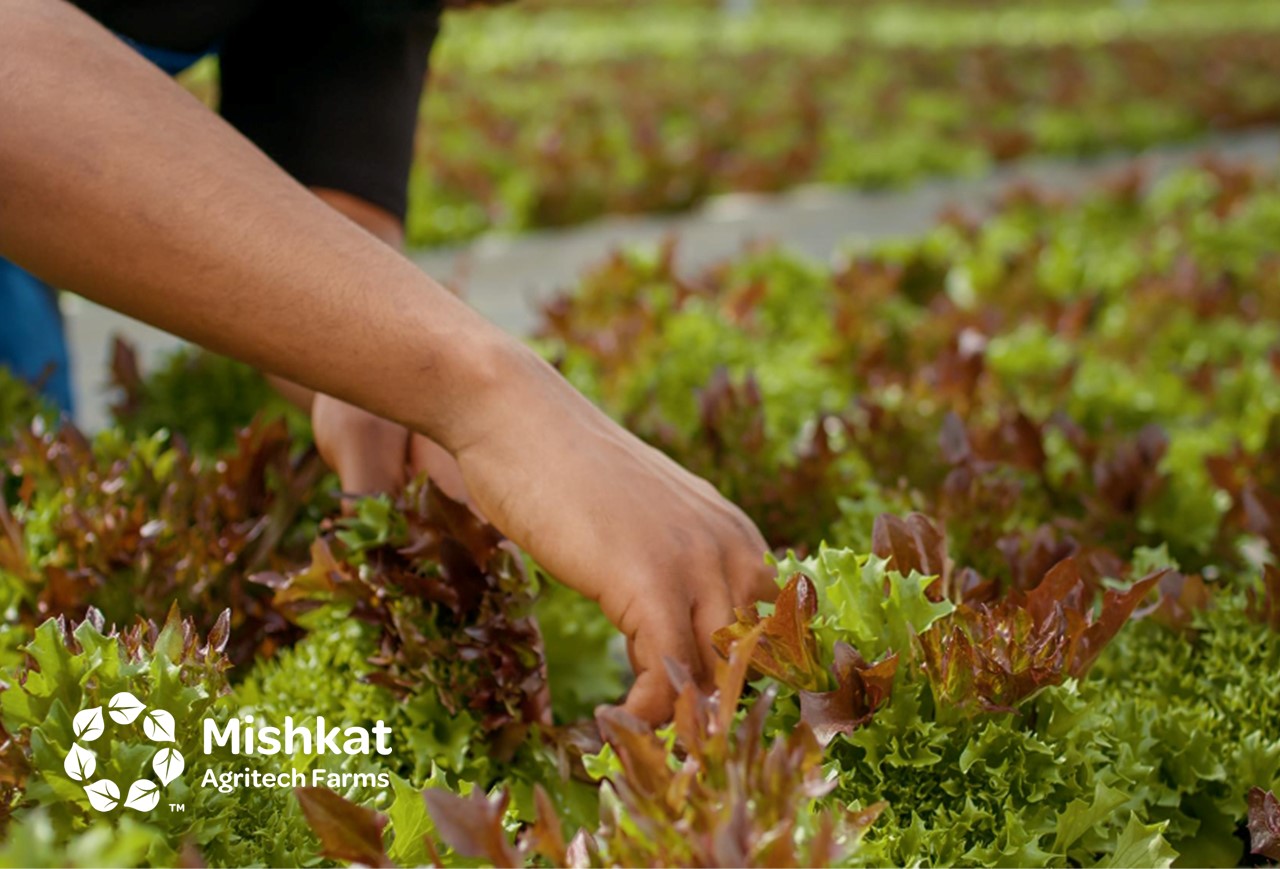
The best aquaponic systems and aquaponics usually focus on plants and crops that fit aquaponics well. Herbs, leafy vegetables, and other fast growing plants are common because they use nutrients steadily and support frequent harvest. Fish choice also matters because fish health shapes waste levels, nutrient flow, and water quality.
A smart growing strategy in aquaponic systems and aquaponics usually includes:
Turn your vision into a data-backed plan with Mishkat
Book a quick, free assessment session with the Mishkat Services team: we define your goals and align them with the market and your budget, and deliver a one-page roadmap with expected returns, operating options, and linking to a purchase agreement when needed, with no obligation.
- a narrow crop list
- a realistic fish density
- stable feed planning
- weekly water checks
- clear harvest schedules
- simple records for learn and improve cycles
This is where aquaponics becomes commercial rather than experimental. When fish, plants, water, and waste are tracked with discipline, aquaponic systems become easier to manage. When records are weak, aquaponics turns into guesswork.
Daily management tips for aquaponic systems
Daily management is the hidden main driver of aquaponic systems. Aquaponics rewards consistency more than heroics. Small daily checks protect fish, protect plants, and keep water stable.
Quick daily checklist
- Check fish behavior before feeding
- Check water movement in all aquaponic systems lines
- Check air supply and pump sound
- Check leaves, roots, and plant color
- Remove visible waste and dead plant material
- Review temperature and water readings
- Record any fish stress or plant stress
- Confirm backup power readiness
Weekly checklist
- Clean filters and solids traps
- Review feed rates and waste levels
- Review crop growth and vegetables harvest pace
- Compare aquaponics output with commercial targets
- Calibrate meters used for water and nutrients
- Inspect pipes, components, and fittings
- Review labor time and supplies use
These tips sound basic, but strong aquaponic systems are built on basic habits. Good aquaponics does not depend on luck.
Quick-win mini case
A hospitality operator in western Saudi Arabia wants a visible farm area beside a premium restaurant. The owner does not need large commercial tonnage at first. The owner wants fresh herbs, selected plants and vegetables, and a better guest story. A compact setup of aquaponic systems is chosen because aquaponics combines fish, plants, and water in one visible environment.
The project starts with one pilot setup. Fish stocking stays modest. Plants focus on herbs, lettuces, and garnish crops. Water tests are logged daily. Waste removal is scheduled. Kitchen staff learn harvest timing. Guests can discover aquaponics during tours. Within one operating cycle, the site gains fresher food, useful education content, and a more credible sustainable identity.
The expected outcome is not total self-supply. The expected outcome is better menu freshness, lower rush dependence for specific plants, and proof that aquaponic systems can support a larger commercial phase later. This is the kind of pilot Mishkat Company Team can stage before a larger commitment, especially when the goal is both production and guest experience.
Fast diagnostic guide for aquaponics
Use this short diagnostic guide when aquaponic systems start drifting. In aquaponics, the fastest clues usually come from fish behavior, plants response, and water condition. When fish feed well, plants stay upright, and water stays clear, aquaponics is usually moving in the right direction. When fish slow down, plants pale, or water smells heavy, aquaponic systems need immediate attention.
- In aquaponics, active fish, clean water, and upright plants usually signal stable flow.
- In aquaponics, slow fish, cloudy water, and stressed plants usually signal rising waste.
- In aquaponics, hungry fish, clear water, and steady plants often support reliable harvest.
- In aquaponics, weak fish, foamy water, and dull plants require a slower feed step.
- In aquaponics, calm fish, fresh water, and balanced plants often reflect good aeration.
- In aquaponics, restless fish, warm water, and limp plants can point to heat pressure.
- In aquaponics, steady fish, moving water, and healthy plants often reflect sound components.
- In aquaponics, stressed fish, still water, and tired plants can expose a pump issue.
- In aquaponics, stable fish, oxygenated water, and green plants help commercial consistency.
- In aquaponics, weak fish, dirty water, and yellow plants often mean waste is winning.
- In aquaponics, alert fish, balanced water, and clean plants support a better environment.
- In aquaponics, slow fish, rich water, and overfed plants are not a real advantage.
- In aquaponics, healthy fish, measured water, and compact plants support efficient design.
- In aquaponics, small fish losses, poor water, and damaged plants must trigger review.
- In aquaponics, active fish, fresh water, and rooted plants make daily learn easier.
- In aquaponics, fish stress, hot water, and weak plants can ruin a good setup.
- In aquaponics, moderate fish loading, stable water, and strong plants often beat fast scale.
- In aquaponics, fish appetite, cool water, and marketable plants help food quality.
- In aquaponics, fish comfort, clear water, and uniform plants improve commercial planning.
- In aquaponics, fish health, moving water, and responsive plants make the method more resilient.
| Signal in aquaponics | What fish show | What plants show | What water shows | Likely action |
|---|---|---|---|---|
| Good balance | fish feed well | plants hold color | water stays clear | keep the same routine |
| Early pressure | fish feed slower | plants lose shine | water carries fines | check waste removal |
| Heat load | fish breathe harder | plants wilt faster | water warms up | improve cooling and air |
| Overfeeding | fish appear heavy | plants darken unevenly | water quality slips | reduce feed step |
| Underfeeding | fish stay active but light | plants slow down | water reads lean | review nutrient balance |
| Filter issue | fish look stressed | plants root poorly | water turns dull | clean components |
| Oxygen issue | fish gather near air | plants stall | water circulation weakens | restore aeration fast |
| Stable growth | fish gain steadily | plants size evenly | water remains balanced | continue current setup |
| Expansion test | fish cope well | plants keep pace | water remains stable | scale carefully |
| Commercial readiness | fish are consistent | plants pack well | water stays predictable | confirm buyer schedule |
Objections and edge cases
Some owners say aquaponic systems are too complex. That can be true when the team lacks fish knowledge, water discipline, or backup systems. Some say aquaponics cannot match hydroponics in every crop. That is also true. Aquaponic systems are not a universal replacement method. They are a targeted integrated method.
Aquaponics may be a weak choice when:
Turn your vision into a data-backed plan with Mishkat
Book a quick, free assessment session with the Mishkat Services team: we define your goals and align them with the market and your budget, and deliver a one-page roadmap with expected returns, operating options, and linking to a purchase agreement when needed, with no obligation.
- the site has unstable power
- the team has no training path
- the plan includes too many vegetables at once
- the project wants instant scale without learn time
- the owner wants a showpiece, not an operating system
In these edge cases, a smaller pilot, a hydroponics block, or a separate aquaculture plan may be better. Good strategy means knowing when aquaponic systems fit and when they do not.
Strat Now
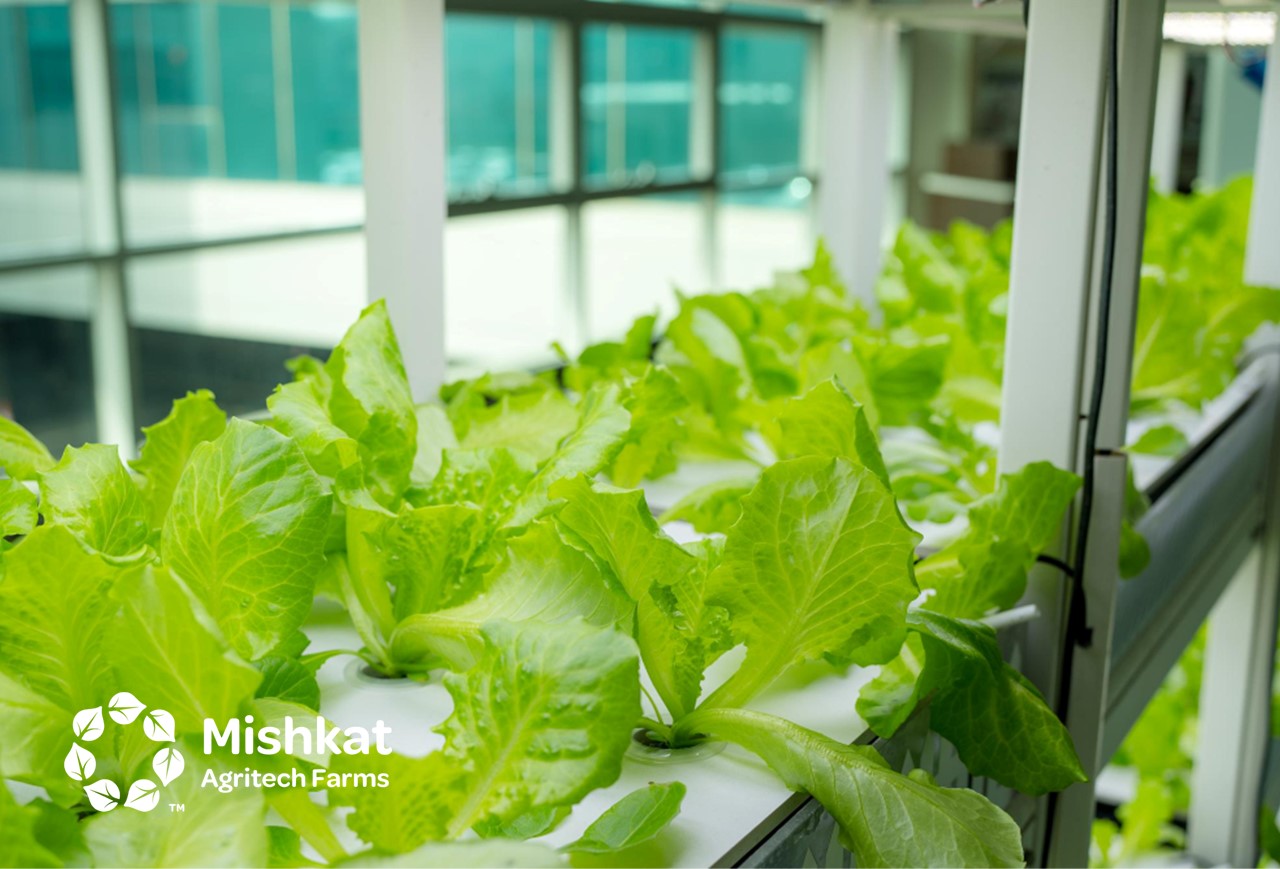
If you are evaluating aquaponic systems for a greenhouse, a resort, a restaurant, or a mixed-use development, the next step is to define the real goal before the build starts. A phased review of aquaponics, fish strategy, crop design, water resilience, and commercial demand can save time and capital. Mishkat Company Services can support that next step with practical design thinking, farm planning, operator training, and integrated hospitality-oriented development.
FAQs
What are aquaponic systems in simple language?
Aquaponic systems are integrated growing systems where fish, plants, bacteria, and water work together. Aquaponics combines aquaculture and hydroponics so that fish waste can become nutrients for plants.
Why are aquaponic systems attractive in Saudi Arabia?
Aquaponic systems are attractive because aquaponics can support efficient water use, local food production, and visible sustainable growing in a hot environment when the setup is correct.
Are aquaponic systems only for hobby gardening?
No. Small aquaponic systems are common in education and gardening, but aquaponics can also serve commercial herbs, vegetables, hospitality kitchens, and visitor-focused food projects.
Do aquaponic systems save water?
Well-run aquaponic systems can reduce some water loss because aquaponics recirculates water instead of discharging it after one pass. Actual performance depends on design, climate control, and maintenance.
What grows best in aquaponic systems?
Many aquaponic systems do well with herbs, leafy vegetables, and other fast growing plants. Crop choice should match nutrients, water temperature, and commercial demand.
Do aquaponic systems always need fish sales?
No. In some aquaponic systems, fish sales are a main revenue line. In other aquaponic systems, fish mainly support nutrients, education, and a stronger farm-to-table story.
How are aquaponic systems different from hydroponics?
Hydroponics focuses on plants and nutrient solution. Aquaponic systems add fish and biological conversion, so aquaponics needs more management but can create an integrated food model.
What is the biggest operating risk in aquaponic systems?
The biggest risk is imbalance. If fish loading, waste, water quality, aeration, or plant uptake drift too far, aquaponics can become unstable fast.
Should investors build large aquaponic systems first?
Usually no. A pilot setup helps owners learn the method, test components, judge commercial demand, and discover real constraints before they build larger aquaponic systems.
Conclusion
- Aquaponic systems can support premium fresh food in Saudi Arabia.
- Aquaponics works best when fish, plants, water, and waste stay balanced.
- A clear commercial goal should shape every setup and design choice.
- Hydroponics, aquaculture, and aquaponics each have a place.
- Small pilots often produce better decisions than oversized first builds.
- Strong management turns aquaponic systems from idea to reliable method.
Aquaponic systems are most valuable when they are treated as integrated production assets, not decorative features. For Saudi greenhouse owners, hospitality operators, and investors, aquaponics can become a practical method for fresh food, visible sustainability, and better commercial positioning when the build is disciplined and the operating model is real.
Proof and credibility
This article is written for decision-makers who need a usable guide, not a hobby article. It focuses on aquaponic systems in Saudi conditions, where water resilience, temperature control, waste handling, and commercial discipline matter. It also treats aquaponics as part of a wider controlled-environment strategy that may include hydroponics, aquaculture, training, hospitality planning, and phased expansion. Mishkat Company, Mishkat Company Team, and Mishkat Company Services are relevant here because serious aquaponic systems need design discipline, operational training, and realistic execution.
Sources
- Food and Agriculture Organization, 2024, https://www.fao.org/neareast/news/stories/details/from-scarcity-to-sustainability–a-leap-toward-efficient-irrigation-in-saudi-arabia/en
- Ministry of Environment, Water and Agriculture, 2024, https://www.mewa.gov.sa/en/MediaCenter/News/Pages/News10342020.aspx
Turn your vision into a data-backed plan with Mishkat
Book a quick, free assessment session with the Mishkat Services team: we define your goals and align them with the market and your budget, and deliver a one-page roadmap with expected returns, operating options, and linking to a purchase agreement when needed, with no obligation.