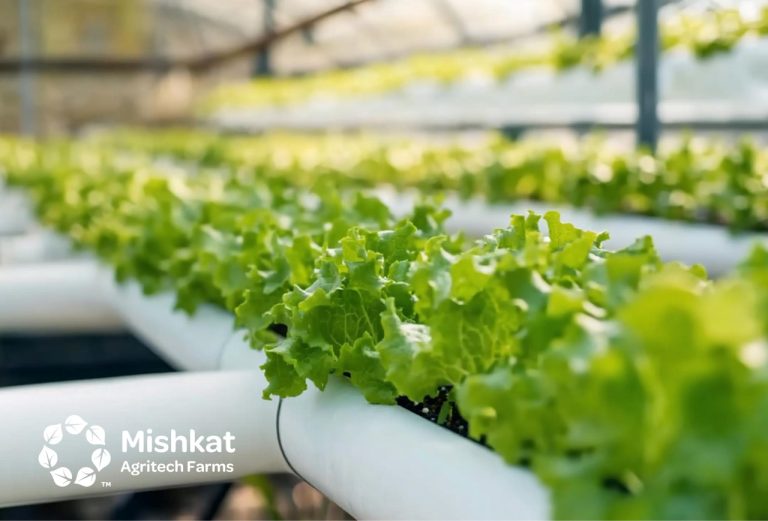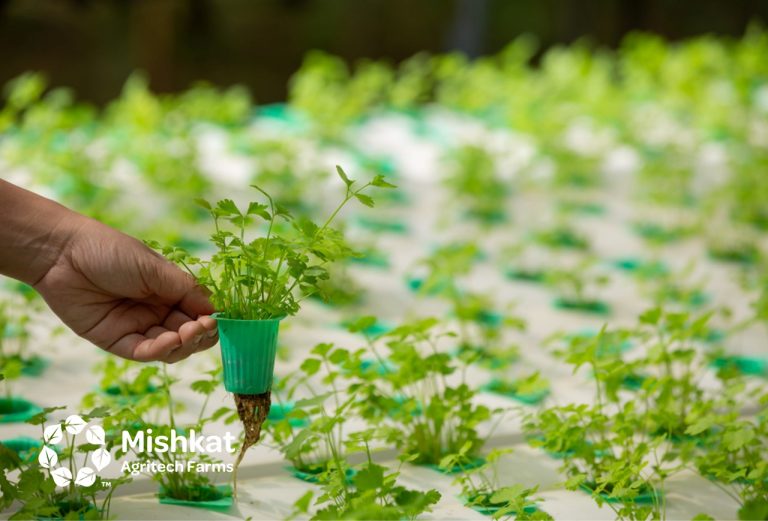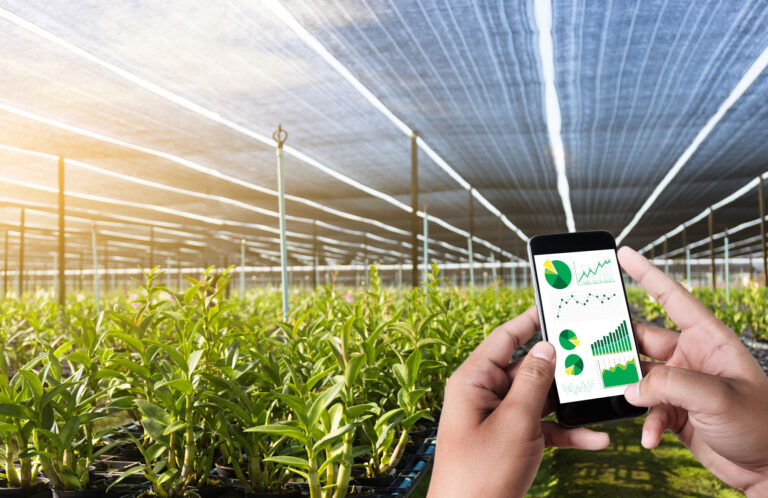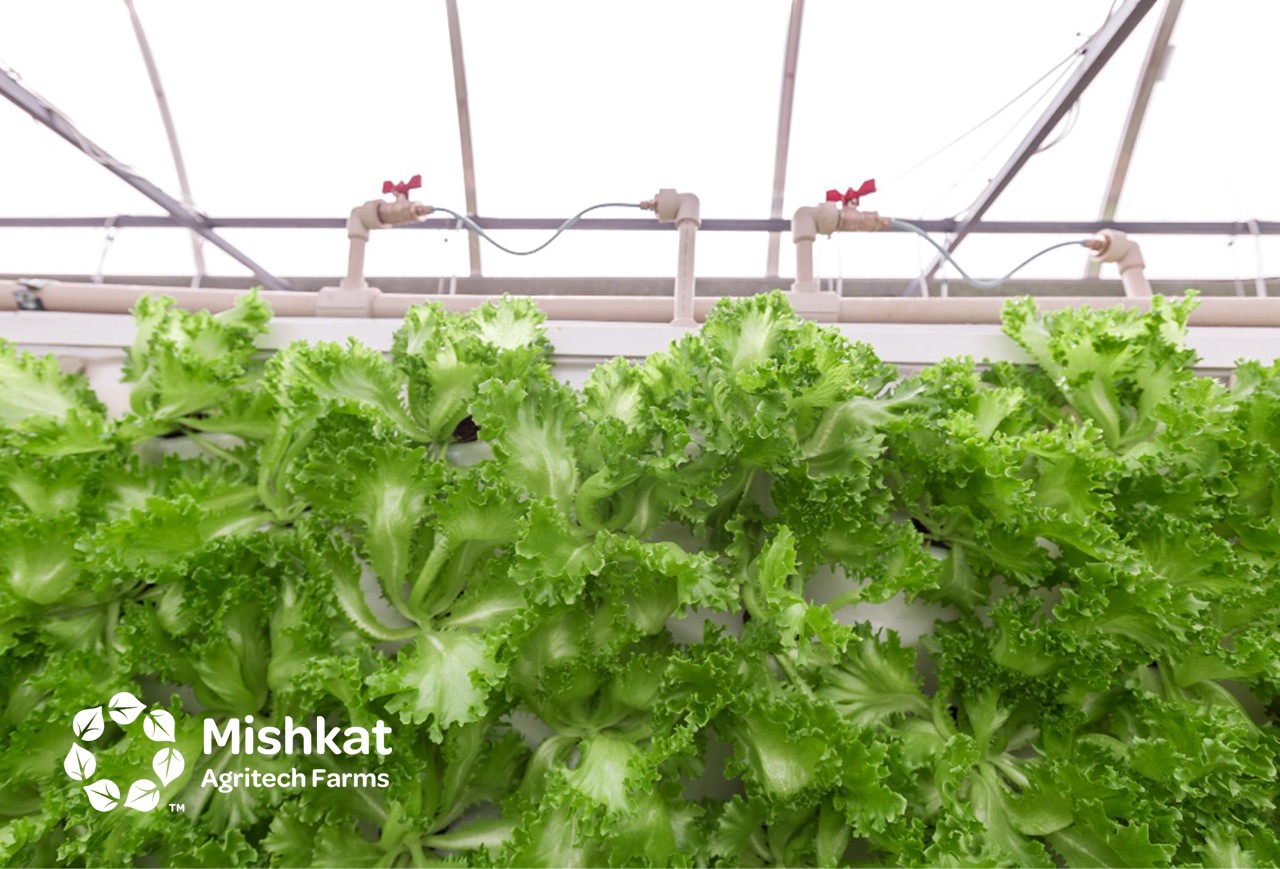
Introduction about Greenhouse farming
Greenhouse farming in Saudi Arabia is no longer a niche topic. It sits at the crossroads of water efficiency, food resilience, premium hospitality, and modern controlled agriculture. This guide explains how greenhouse farming works, where it creates real value, what owners should measure before they invest, and how soilless systems can turn a greenhouse project into a more resilient business.
Table of Contents
Why greenhouse farming matters in Saudi Arabia
If weather is harsh, water is costly, and buyers want consistent quality, what is the most practical way to grow more with less risk? For many investors and operators in Saudi Arabia, greenhouse farming is the answer, but only when the project is designed as a business and not just as a structure.
Greenhouse farming gives owners more control over climate, irrigation, crop scheduling, labor routines, and quality standards. In Saudi conditions, that control matters because heat, wind, dust, water stress, and seasonal demand swings can quickly turn an ordinary crop plan into an unstable one. A well-designed protected model helps reduce that instability and makes production easier to plan.
This article breaks the topic into clear decisions. First, it explains what this approach actually means in practice. Then it covers economics, planning, crop fit, hydroponics and aquaponics links, hospitality applications, operating discipline, and common objections. It also shows where Mishkat Company Services can support farm design, farm management, hospitality design, agronomist training, hydroponics, and aquaponics.
What greenhouse farming means in practice
At its simplest, greenhouse farming is an agricultural method built around a transparent or semi-transparent structure that protects crops and lets operators shape temperature, humidity, ventilation, irrigation, and crop health more precisely than open-field growing. In practical terms, the method replaces weather exposure with planned growing conditions. (الهيئة العامة للإحصاء)
That does not mean every greenhouse farm needs high-tech automation. Some projects use simple plastic-covered structures with basic ventilation and drip irrigation. Others use multi-span structures, pad-and-fan cooling, fertigation, recirculation, sensors, and digital management. The right technology level depends on crop value, market stability, labor capability, and the local climate profile.
For investors, the first lesson is this: greenhouse farming is not one product. It is a range of systems. A low-cost greenhouse farm can work for certain seasonal crops and certain locations. A mid-tech greenhouse farm often makes sense when quality and yield consistency matter. A glass greenhouse farm usually fits premium crops, intensive management, and a stronger balance sheet.
The problem and the stakes
In 2024, the average annual rainfall across Saudi Arabia was 145 millimeters. In the same period, protected vegetable production reached 797 thousand tons, the cultivated area reached 7.8 thousand hectares, and the number of vegetable greenhouses exceeded 121 thousand. Those numbers show both sides of the opportunity: a water-constrained climate and a scaling protected-cropping base. (الهيئة العامة للإحصاء)
The water side is just as important. In the national water strategy baseline, agriculture accounted for 84 percent of total water requirements in the Kingdom, and non-renewable sources supplied 90 percent of water delivered to agriculture. For greenhouse farming, that means water productivity is not a technical detail. It is a core investment issue. (وزارة البيئة والمياه والزراعة)
This is why greenhouse farming has strategic weight in Saudi Arabia. It can improve crop protection, stabilize output, support local food supply, and open a path toward higher-value production, especially when paired with hydroponics, aquaponics, careful fertigation, and disciplined climate control. For hospitality operators, it also supports fresher menu ingredients, stronger brand storytelling, and shorter response times for chef-driven demand.
Here is a simple way to compare common greenhouse structures before choosing one for greenhouse farming:
| Greenhouse type | Typical use case | CAPEX level | Climate control | Best fit |
|---|---|---|---|---|
| Simple plastic tunnel | Seasonal vegetables, starter projects | Low | Low | First-step greenhouse farming with tight budgets |
| Multi-span plastic house | Commercial vegetables, herbs, seedlings | Medium | Medium | Most owners seeking scalable greenhouse farming |
| Glass structure | Premium produce, intensive year-round supply | High | High | Advanced greenhouse farming with strong operating teams |
The table matters because greenhouse farming usually fails at the matching stage. Owners choose a structure that is too cheap for the crop they want, or too expensive for the market they can actually serve.
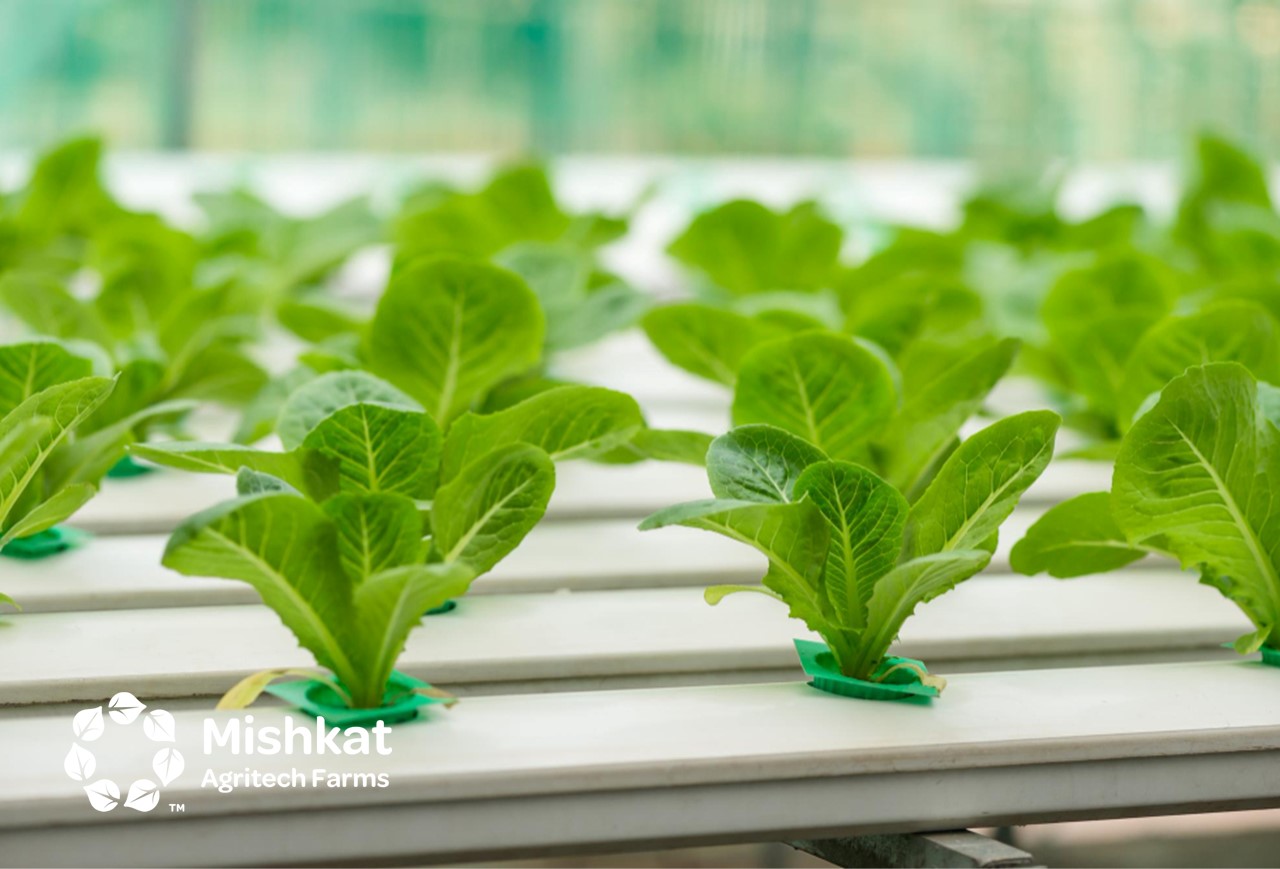
The business case for greenhouse farming
Turn your vision into a data-backed plan with Mishkat
Book a quick, free assessment session with the Mishkat Services team: we define your goals and align them with the market and your budget, and deliver a one-page roadmap with expected returns, operating options, and linking to a purchase agreement when needed, with no obligation.
A strong greenhouse farming project does not begin with a supplier brochure. It begins with unit economics. The question is not “Can this greenhouse produce?” The real question is “Can this model produce a repeatable margin after labor, utilities, inputs, maintenance, and sales friction?”
Use a simple framework:
Annual net contribution = annual revenue – variable production cost – operating overhead
Then convert it into a per-square-meter view:
Net contribution per m² = (yield per m² × selling price) – cost per m²
Finally, test payback:
Simple payback period = total project CAPEX ÷ annual net cash flow
This framework keeps greenhouse farming grounded. It helps owners compare crops, technologies, and routes to market without romanticizing the structure itself. A greenhouse farm with lower yield but stronger prices and lower rejects can outperform a greenhouse farm with headline production but weak sales discipline.
In Saudi Arabia, greenhouse farming often works best when the crop plan matches one of four demand patterns. The first is staple protected vegetables for reliable wholesale channels. The second is premium leafy greens and herbs for retail and hospitality. The third is seedlings and nursery output. The fourth is mixed farm-to-table supply where marketing value matters alongside crop revenue.
This is where greenhouse farming decisions become more commercial than agricultural. A tomato-focused model needs different cooling logic, pruning labor, packing routines, and market timing than a leafy-green model. A hospitality-led model, especially one tied to resorts, compounds, and destination projects, may prioritize freshness, menu planning, guest experience, and story value rather than only the highest tonnage.
One practical way to view the investment is as a portfolio decision, not a single-equipment decision. Mishkat Company Services can support owners in choosing between crop-first design, market-first design, or integrated design where greenhouse farming connects with hydroponics, aquaponics, agronomist training, and long-term operating systems.
A useful rule is to score greenhouse farming opportunities on five lines before any purchase decision:
- Water productivity
- Market clarity
- Climate fit
- Operating capability
- Cash flow resilience
If a greenhouse farming project scores weakly on three or more of those lines, it usually needs redesign before investment.
How to plan greenhouse farming in Saudi Arabia
Planning greenhouse farming well is less about complexity and more about sequence. Many projects struggle because they start with land, then structure, then crops, then sales. That order is often backwards. Better planning starts with demand, then crop strategy, then climate response, then structure, then operating routine.
A practical step-by-step sequence
- Define the buyer clearly
Decide whether the project is serving wholesale buyers, retail packs, hospitality kitchens, direct subscriptions, or a mixed channel. Every major choice changes after this step. - Choose crops by market and climate, not by trend
A greenhouse farm for cucumbers is different from a greenhouse farm for basil, strawberries, or lettuce. Each crop changes labor needs, disease pressure, cooling demand, and packaging. - Fix the water model early
Greenhouse farming in Saudi Arabia should begin with water source quality, filtration, irrigation method, storage, and reuse options. Poor water planning can damage crop health, equipment life, and margins. - Match the structure to the crop
A farming greenhouse layout should be driven by crop height, airflow, thermal load, maintenance access, and expansion potential. Overbuilding raises CAPEX. Underbuilding raises losses. - Design the workflow, not just the structure
Greenhouse farming depends on movement inside the site. Think about labor paths, input storage, fertigation rooms, hygiene points, harvest flow, packing, and dispatch. - Set operating rhythms before launch
Daily greenhouse farming needs setpoints, scouting, irrigation checks, pruning or cleaning routines, sanitation, and logging. A greenhouse farm without routines quickly becomes reactive. - Stress-test the sales plan
Before first planting, test the greenhouse farming sales path for off-spec product, delayed payments, demand dips, and seasonal swings.
Greenhouse farming planning checklist
Use this checklist before approving greenhouse farming CAPEX:
Turn your vision into a data-backed plan with Mishkat
Book a quick, free assessment session with the Mishkat Services team: we define your goals and align them with the market and your budget, and deliver a one-page roadmap with expected returns, operating options, and linking to a purchase agreement when needed, with no obligation.
- Buyer and route-to-market are defined
- Crop plan fits local climate and water quality
- Structure type matches crop biology and business model
- Cooling, shading, and ventilation logic are site-specific
- Irrigation and fertigation are sized for peak demand
- Labor plan covers technical and routine work
- Input sourcing and spare parts are mapped
- Harvest, packing, and cold-chain needs are clear
- Power demand and backup strategy are tested
- Financial model includes rejects, downtime, and learning curves
- Biosecurity and pest monitoring are built into operations
- Expansion phase is possible without redesigning the whole site
That checklist sounds basic, but it is where many greenhouse farming projects either gain discipline or drift into preventable loss. Mishkat Company Team usually sees the same pattern: the earlier the planning discipline, the cheaper the corrections.
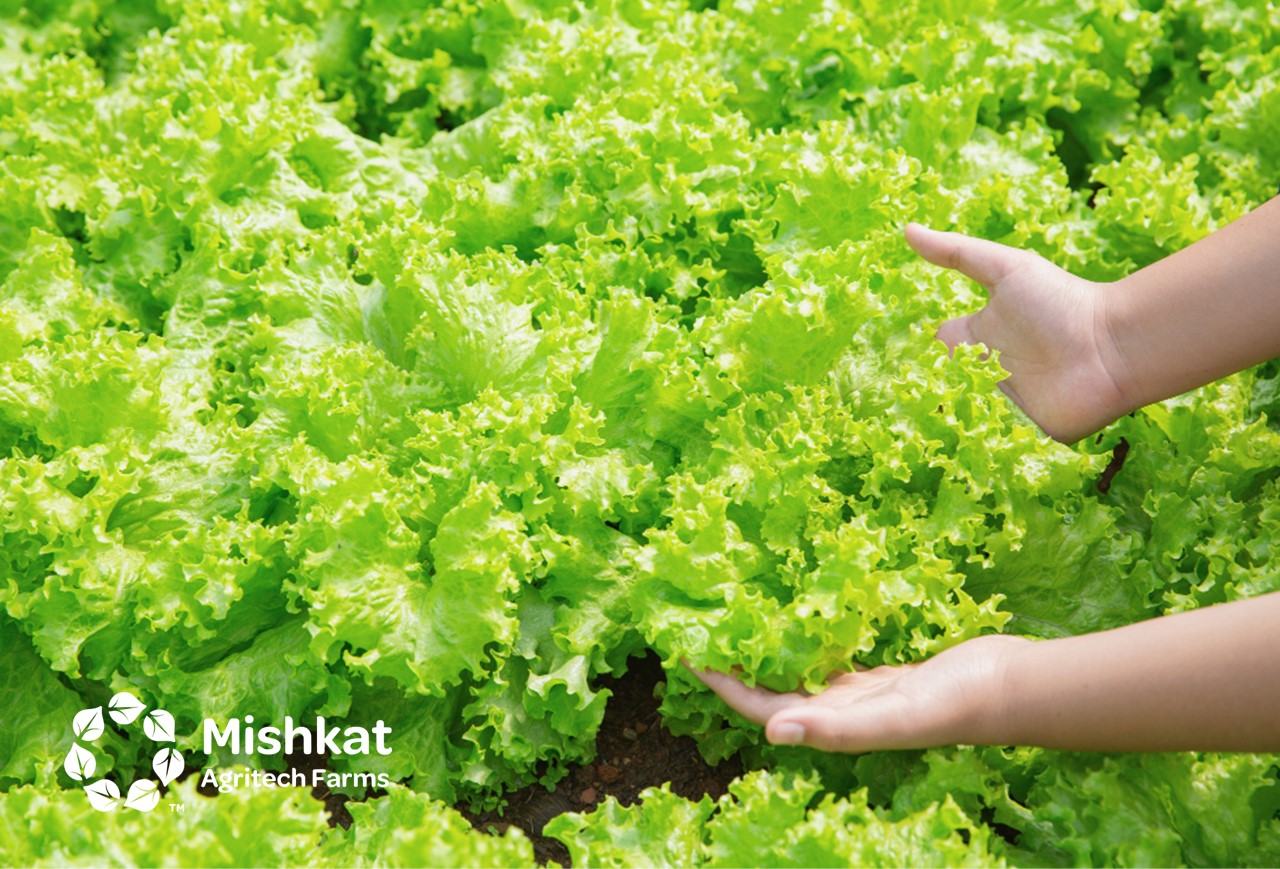
Greenhouse farming with hydroponics, aquaponics, and hospitality models
Greenhouse farming becomes more valuable when it is linked to soilless systems and a clear end market. In Saudi Arabia, this approach and hydroponics often work well together because they combine climate protection with tighter water and nutrient control. It can also pair well with aquaponics in the right context, especially where operators want an integrated food story and have the technical capacity to manage both plant and fish systems.
This does not mean every project should become highly complex. A greenhouse farm should only add hydroponics or aquaponics when the management team can actually run them. Complexity without discipline hurts performance faster than simple systems do.
For hospitality developers and operators, greenhouse farming has a special advantage. It can support a visible farm-to-table narrative, reduce emergency purchasing for herbs and selected greens, improve freshness windows, and create an experience asset rather than only a production asset. A well-placed greenhouse farm can serve kitchens, events, education programs, and guest engagement at the same time.
Quick-win mini case
A hospitality operator in western Saudi Arabia wants better control of herbs and leafy greens for a resort kitchen. Instead of building a large first-phase site, the operator starts greenhouse farming with a modest multi-span structure and a focused hydroponic program.
Setup:
A medium-scale greenhouse farming unit is assigned to basil, mint, mixed leaves, and selected garnish crops.
Steps:
The team maps chef demand by week, fixes three core crops, installs simple climate control, assigns one trained supervisor, and sets harvest days around kitchen ordering cycles. Mishkat Company Services supports the greenhouse farming design logic, crop scheduling, and agronomist training.
Expected outcome:
The operator gets cleaner harvest flow, shorter replenishment time, better menu consistency, and stronger guest storytelling. The greenhouse farming unit may not replace all external buying, but it can reduce volatility in high-value fresh items and create a more premium food identity.
That kind of greenhouse farming case is attractive because it balances production value and brand value. For hospitality assets, that balance often matters more than absolute tonnage.
Operating greenhouse farming well after launch
Good greenhouse farming is operational before it is architectural. Once the structure is installed, success depends on daily discipline. Operators need a rhythm for irrigation, nutrition, scouting, sanitation, pruning, labor allocation, harvest timing, and post-harvest handling.
Climate control is central. In hot regions, greenhouse farming can lose efficiency when cooling design is weak, ventilation is unbalanced, or shading is poorly timed. The result is not just plant stress. It can mean lower quality, slower growth, and more rejected crop. This is why projects in Saudi Arabia should be designed around thermal load, not only around structure cost.
Pest and disease control also change inside greenhouse farming systems. Protection from external weather does not remove biological risk. It changes the risk profile. A greenhouse farm can still face whiteflies, fungal pressure, sanitation gaps, and crop stress if hygiene, scouting, and airflow are weak. Preventive routines matter more than rescue treatments.
Labor capability is another hidden profit driver in greenhouse farming. A greenhouse farm with good SOPs can perform well with moderate automation. A greenhouse farm with weak supervision can waste even expensive equipment. For many owners, better results come from training, logging, and accountability before they come from buying extra technology.
Energy should be treated carefully. Fans, pumps, cooling systems, and water movement all affect OPEX. In greenhouse farming, energy design is tied to crop strategy, structure choice, and climate-control intensity. The right question is not how to remove all energy use. It is how to make each unit of energy support profitable crop output.
Mishkat Company Team often frames operations around four management loops: climate, water, crop, and market. When those four loops are reviewed together, managers can spot problems earlier and correct them while the crop still has recovery potential.
Turn your vision into a data-backed plan with Mishkat
Book a quick, free assessment session with the Mishkat Services team: we define your goals and align them with the market and your budget, and deliver a one-page roadmap with expected returns, operating options, and linking to a purchase agreement when needed, with no obligation.
Objections and edge cases in greenhouse farming
Some investors worry that greenhouse farming is too expensive. That can be true when structure choice is disconnected from crop value or sales quality. But it is not automatically high-cost. There are entry levels, mid-tech levels, and premium levels. The right issue is fit, not prestige.
Others assume greenhouse farming guarantees profit. It does not. A greenhouse farm can still lose money through poor crop choice, weak climate response, low technical supervision, or unclear sales channels. The structure improves control, but it does not replace management.
A common edge case is copying a successful greenhouse farming model from another region without adapting it to Saudi conditions. The same crop and same structure can behave very differently under different water quality, heat load, logistics, and buyer expectations.
Another edge case appears when greenhouse farming is treated as a construction project instead of a living operation. Owners may spend heavily on the build and too little on launch support, agronomy, training, and first-year troubleshooting. That is usually a costly imbalance.
There is also a timing issue. Greenhouse farming projects often have a learning curve. The first cycle may reveal gaps in irrigation timing, labor planning, plant density, or market packaging. Investors should budget for ramp-up, not assume perfect performance from week one.
Next step for greenhouse farming decisions
If you are evaluating greenhouse farming for a commercial site, a soilless farm, or a hospitality development, the smartest next move is to test the business model before you scale the structure. A focused feasibility review, crop-market match, and operating design workshop can save major capital and reduce avoidable risk. Mishkat Company can support that next step with practical planning and a Saudi-grounded view of hydroponics, aquaponics, farm design, hospitality design, and farm management.
FAQs about Greenhouse farming
What is greenhouse farming in simple terms?
Greenhouse farming is crop production inside a protected structure where temperature, humidity, irrigation, and plant conditions can be managed more closely than in open fields. The goal is not only shelter. It is more stable growth, better scheduling, and stronger quality control.
Is greenhouse farming suitable for Saudi Arabia?
Yes, greenhouse farming is highly relevant in Saudi Arabia because it helps manage harsh weather, improve crop protection, and use water more carefully when the system is designed well. The key is matching the system to crop value, climate load, and operating skill.
Which crops fit greenhouse farming best?
The best greenhouse farming crops depend on market access and technical capability. Common options include tomatoes, cucumbers, peppers, leafy greens, herbs, strawberries, and seedlings. Premium projects often start with crops that reward consistency, freshness, and lower reject rates.
Is hydroponics required for greenhouse farming?
No. Greenhouse farming can use soil, substrate, or hydroponic methods. Hydroponics can strengthen the model where water control, uniformity, and premium quality are important, but it should be added only when the team can manage it reliably.
Can greenhouse farming work for hospitality projects?
Yes. Greenhouse farming can support farm-to-table supply, guest experience, and chef-led sourcing. For resorts, compounds, and destination venues, it can produce herbs, greens, and selected specialty crops while also strengthening the food story.
How big should a first greenhouse farm be?
A first greenhouse farm should be large enough to matter operationally but small enough to manage well. In greenhouse farming, a focused pilot with clear crops and clear buyers usually performs better than an oversized first phase with too many variables.
What is the biggest mistake in greenhouse farming?
The most common mistake in greenhouse farming is building first and thinking about markets later. A close second is underestimating operations. The model succeeds when crop choice, climate response, water management, labor routines, and sales all move together.
Does greenhouse farming always save water?
Greenhouse farming can improve water productivity, especially when paired with good irrigation design, drainage control, and soilless systems. But it does not save water by magic. Poor management can still waste water, nutrients, and energy.
How long does it take for greenhouse farming to pay back?
There is no universal answer. Greenhouse farming payback depends on crop mix, selling price, CAPEX, utility cost, rejects, technical skill, and channel stability. A lower-tech model may recover faster, while a more advanced project may take longer but support better year-round output.
Conclusion about Greenhouse farming
- Greenhouse farming is a business model first and a structure second.
- In Saudi Arabia, greenhouse farming matters because climate pressure and water pressure are real.
- The right greenhouse farming level depends on crop value, buyer clarity, and operating capability.
- Hydroponics and aquaponics can strengthen greenhouse farming, but only when the team can run them well.
- Hospitality-linked greenhouse farming can create both supply value and brand value.
This approach rewards planning, not guesswork. Owners who start with market fit, water logic, crop biology, and operating routines usually make better decisions than owners who start with hardware alone.
Proof and credibility
This guide is written for real project decisions, not for hobby growing. It reflects how greenhouse farming should be evaluated by owners, investors, and operators who care about CAPEX discipline, OPEX control, crop-market fit, and Saudi climate realities. The approach also aligns with how Mishkat Company Services think about project design across farm design, hydroponics and aquaponics planning, farm management, hospitality design, and agronomist training.
The practical logic is simple: this model works best when engineering, agronomy, and market design are considered together. That is the standard applied when helping clients move from early concept to a workable operating model.
Sources
- General Authority for Statistics, 2025, https://www.stats.gov.sa/documents/20117/2435281/Agricultural%2BStatistics%2B2024%2B%2B-%2BEN.pdf/1d9fef9e-4238-e4c7-4c41-86475ce8241c?t=1764479027952
- General Authority for Statistics, 2025, https://www.stats.gov.sa/documents/20117/2435281/Environment%2BStatistics%2B2024%2B-%2BEN.pdf/0bbd5fb2-3d14-1440-6732-1cefd860ab67?t=1762326189331
- Ministry of Environment, Water and Agriculture, 2026, https://www.mewa.gov.sa/en/Ministry/Agencies/TheWaterAgency/Topics/Pages/Strategy.aspx
- General Authority for Statistics, 2025, https://www.stats.gov.sa/en/w/methodology-and-quality-report-of-agricultural-statistics-2024
- Food and Agriculture Organization, 2017, https://iris.unito.it/retrieve/e27ce42b-89e9-2581-e053-d805fe0acbaa/2017_FAO%20GAP%20for%20greenhouse%20vegetable%20production%20in%20SEE%20countries.pdf
Turn your vision into a data-backed plan with Mishkat
Book a quick, free assessment session with the Mishkat Services team: we define your goals and align them with the market and your budget, and deliver a one-page roadmap with expected returns, operating options, and linking to a purchase agreement when needed, with no obligation.