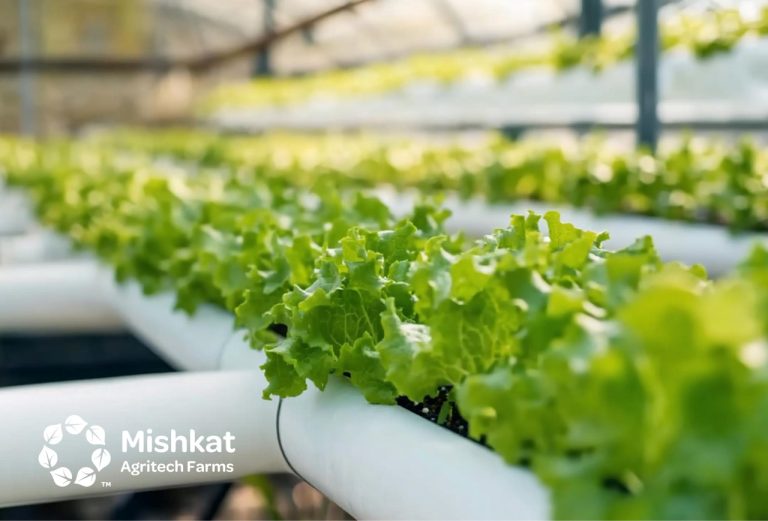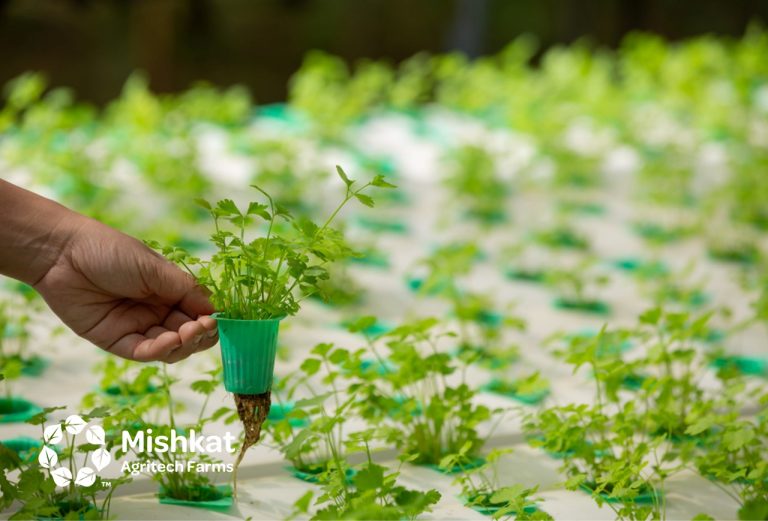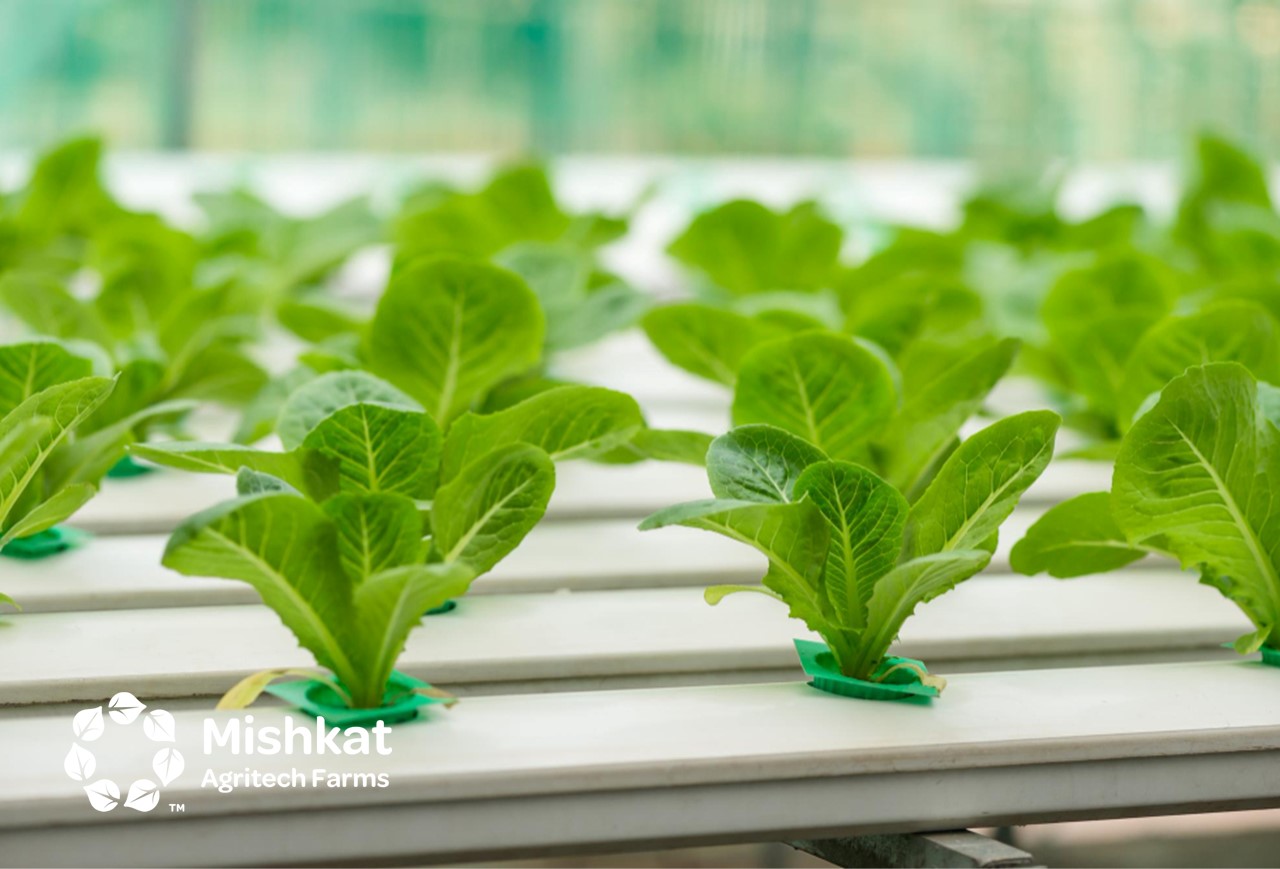
A protected growing project in Saudi Arabia can be a practical production asset, a hospitality feature, and a control layer for better growing decisions. For investors, operators, and developers, one greenhouse can improve crop timing, reduce avoidable losses, and support more reliable supply. This guide explains how the facility should be evaluated, why greenhouses matter in Saudi conditions, and how to choose the right model, layout, and operating method without wasting capital.
Table of Contents
Why greenhouse matters in Saudi Arabia
This model matters because climate pressure in Saudi Arabia is constant. One greenhouse can reduce exposure, improve scheduling, and help teams manage the environment around crops. That does not mean every unit is a good investment. It means the right system can create more control than open production when the business case is clear.
Greenhouses are not all the same. Some greenhouses are designed for commercial output. Some greenhouses are designed for training and discovery. Some greenhouses serve a backyard setting where an owner wants to learn, test, and build confidence before scaling. Some greenhouses support a hospitality site that wants a visible garden, fresher vegetables, and a stronger farm-to-table story. The purpose changes the design.
That is why the first question is not which frame looks best. The first question is what the facility must do. Should the greenhouse support hydroponics, aquaponics, or a compact kitchen-supply model? Should greenhouses produce a steady flow of herbs and leaves, or should greenhouses focus on selected vegetables with clearer demand? Should the unit be a learning asset, a working asset, or both?
This article takes a practical route. It explains the pressure behind protected growing investment, how greenhouses should be classified, how a backyard model differs from a commercial model, what a simple sizing formula looks like, and how Mishkat Company approaches planning as a long-term operating decision. It also keeps the language easy, because the plan should stay usable.
greenhouse pressure, demand, and the Saudi case
Problem and stakes
Official Saudi data shows why greenhouse investment deserves careful thinking. The national water strategy states that agriculture accounts for 84% of total water requirements in the Kingdom. This model does not remove that pressure by itself, but one greenhouse can support tighter irrigation control, better crop scheduling, and a more disciplined growing environment. (وزارة البيئة والمياه والزراعة)
Official 2023 water accounts reported that agriculture used 12,298 million cubic meters of water in 2023. That figure matters because an investment decision here is also a water-efficiency decision. For investors, the unit is not just a place for plants. It is a business tool that can help teams manage quality, timing, and resource use with more care. (الهيئة العامة للإحصاء)
Demand also matters. Tourism establishment statistics for Q2 2024 reported hotel room occupancy at 55.4% and serviced apartment occupancy at 52.4%. For hospitality projects, those figures matter because greenhouses can support a visible garden, fresher vegetables, and a more credible local sourcing story when guest demand is active. (الهيئة العامة للإحصاء)
Food security statistics for 2024 showed self-sufficiency at 101% for cucumbers and 100% for zucchini. The lesson is clear. Projects should not be approved because greenhouses sound modern. One greenhouse should target crops where greenhouses can win on freshness, timing, or contract service. (الهيئة العامة للإحصاء)
What greenhouse changes in business terms
This investment creates value when it improves at least one of these points, and ideally more than one:
- yield
- quality
- timing
- water use
- labor use
- service reliability
If greenhouses do not improve three of those six points, the project may need a different crop list, a different layout, or a different investment scale.
greenhouse types for investors and operators
This type of facility can fit several business paths, and greenhouses should be grouped by use rather than by marketing language.
The first path is the learning path. In this case, greenhouses are small, simple, and focused on practical experience. A backyard setting is common here. A backyard owner may want a garden that helps the family learn, a garden that supplies a few vegetables, or a garden that gives staff early exposure to routine. In this setting, greenhouses can support learning, gentle gardening practice, and step-by-step discovery.
Turn your vision into a data-backed plan with Mishkat
Book a quick, free assessment session with the Mishkat Services team: we define your goals and align them with the market and your budget, and deliver a one-page roadmap with expected returns, operating options, and linking to a purchase agreement when needed, with no obligation.
The second path is the pilot path. Here the owner wants proof before expansion. A pilot unit can support that stage. That pilot unit lets a team test plants, compare season performance, and learn how service routines behave under real weather. It can also show whether the site is ready for larger greenhouses. Some hobby kits are useful here because they offer a quick start, easy assembly, standard sizes, and clear materials.
The third path is the operating path. In this case, greenhouses are built for output and routine. The goal is not only learning. The goal is regular production, better planning, and measurable service. These greenhouses often connect to irrigation, storage, packing, and dispatch. They may also support hydroponics or aquaponics. Mishkat Company Team usually treats these greenhouses as part of a system rather than as stand-alone products.
The fourth path is the hospitality path. A hospitality greenhouse supports more than production. It supports guest experience, brand value, and a visible garden story. Here greenhouses may be placed where guests can explore, discover, and enjoy the link between plants and the plate. The best hospitality greenhouses stay focused. They do not try to supply every ingredient. They focus on selected vegetables, herbs, leaves, and beautiful details that fit the kitchen and the outdoor setting.
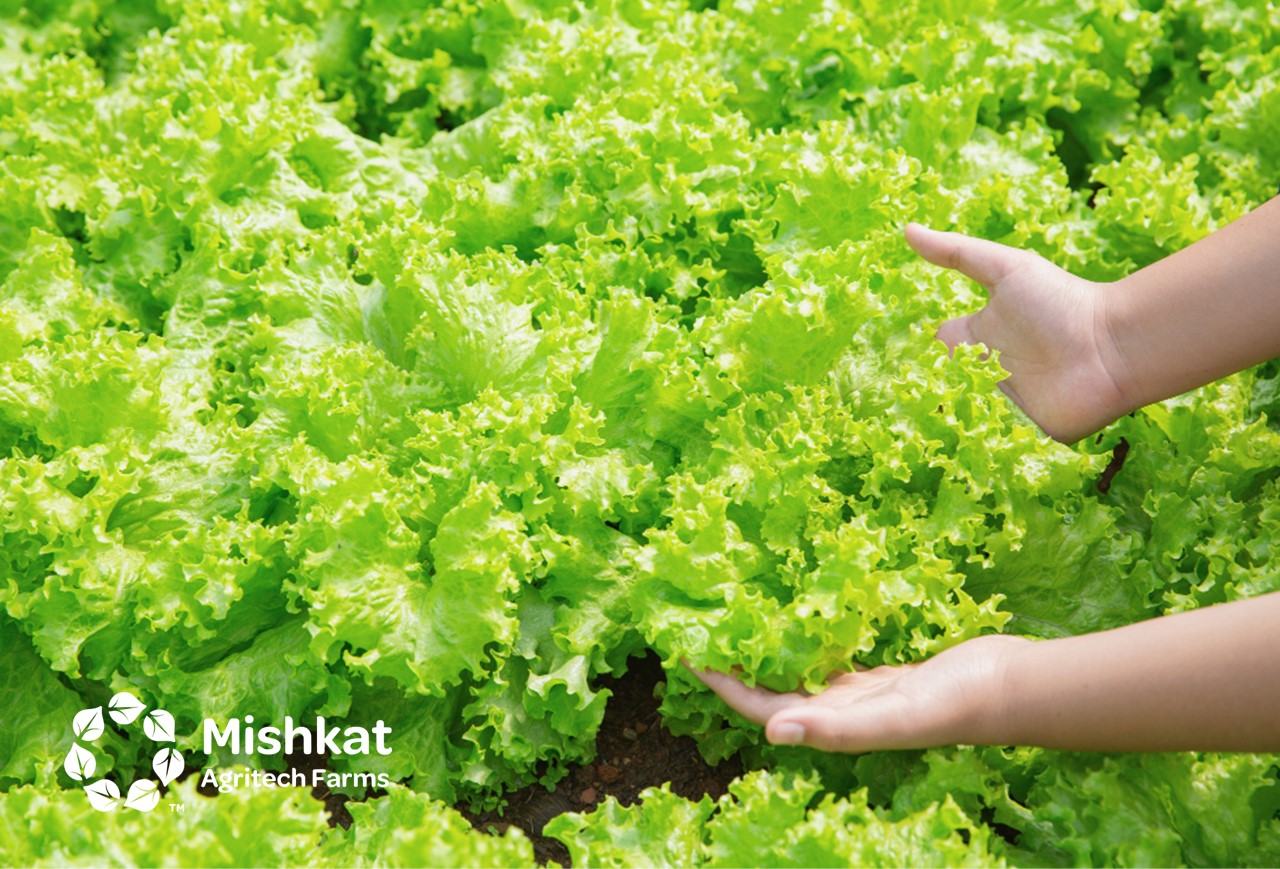
greenhouse comparison table
| type | best fit | main strength | key limit |
|---|---|---|---|
| backyard greenhouse | early learning | lower risk | limited output |
| hobby greenhouse | trial crops and discovery | easy start | not a full commercial answer |
| compact operating greenhouse | first serious production | better control | needs trained service |
| hospitality greenhouse | farm-to-table projects | fresh story and selected supply | should stay narrow |
| integrated greenhouse | wider farm systems | strong workflow | higher management load |
greenhouse sizing before any build
The facility should be sized from demand, not from emotion. Many investors compare greenhouses, browse online, check prices, and shop for frame options before they define what the unit will actually sell. That sequence creates waste.
Start with demand. Estimate weekly need. Then estimate likely yield per square meter. After that, define how much area the site really needs.
Use this simple formula:
greenhouse area = weekly demand ÷ expected weekly yield per square meter
Then use a second formula:
greenhouse contribution per square meter = annual sales per square meter – annual direct cost per square meter
Then use a third formula:
greenhouse payback = total project cost ÷ annual operating surplus
These formulas are simple on purpose. They keep greenhouses tied to numbers instead of hopes.
A simple greenhouse planning sequence
- define the purpose
- define the buyer
- define the crop list
- define the quality target
- define likely yield
- define service needs
- define storage needs
- define when greenhouses can expand
This step-by-step method is often more useful than a long technical guide. It helps teams learn faster, choose better, and keep the first greenhouse manageable.
greenhouse kits and buying logic
Turn your vision into a data-backed plan with Mishkat
Book a quick, free assessment session with the Mishkat Services team: we define your goals and align them with the market and your budget, and deliver a one-page roadmap with expected returns, operating options, and linking to a purchase agreement when needed, with no obligation.
A purchase is rarely only about the frame. Greenhouse kits are easy to compare, easy to browse, and often easier to ship than a customized structure. A greenhouse kit may be enough for a backyard model, a pilot unit, or a trial garden. Kits can also help a team learn how components fit together before a larger build.
Still, kits should be judged carefully. A greenhouse kit that looks affordable on a shop page may still need extra tools, better materials, more supplies, and a stronger service plan. Buyers often compare kits by prices alone. That is not enough. Greenhouses should also be judged by durability, ease of repair, availability of supplies, and how well the kit fits local weather.
The same is true for operating supplies. These supplies are not a minor detail. Good supplies protect quality and reduce downtime. Supplies include irrigation parts, support items, cleaning products, repair items, and routine tools. When supplies are hard to source, service becomes slower. When supplies are well chosen, teams can save time, protect quality, and keep work simple.
A buyer should also think beyond the first order. Can the store provide stable shipping? Is pickup realistic? Are the materials durable enough for the season? Can staff learn the setup quickly? Is the kit ready for outdoor use, or does it need additions? Good greenhouses are built around these practical questions.
greenhouse buying checklist
- purpose is clear
- sizes match demand
- one greenhouse kit fits the site
- kits are compared by more than prices
- supplies are easy to source
- materials are durable
- tools are included
- shipping is realistic
- pickup is realistic
- storage is planned
backyard, garden, and shop reality
Many owners begin with a backyard question before they begin with a farm question. They ask whether a backyard unit can teach real lessons, whether a backyard garden can supply small needs, and whether a backyard trial can reveal the right next step. The answer is often yes. A backyard start can teach timing, routine, and basic gardening discipline without large risk.
That backyard stage also helps a team understand what the perfect fit looks like. The perfect result is not the biggest setup. The perfect result is the one that works in the real environment. In a garden setting, the perfect layout is usually easy to clean, easy to service, and easy to enjoy. In a larger project, the perfect choice is the one that keeps work clear and simple.
This is also where the buying journey matters. Some people shop online first. Some people visit a shop, compare prices, compare sizes, and ask about service. A smart shop review is useful, but the goal is to choose well, not shop forever. The goal is to learn enough to make the perfect next move. Good gardening decisions come from that balance between field reality and shop research.
A simple garden pilot can also improve gardening skill. It can help new teams learn watering rhythm, plant spacing, harvest timing, and daily care. Over time, that gardening habit reduces confusion. It also makes the next step feel less risky. A backyard route is not the only route, but for many owners it is a useful first step.
greenhouse design choices that affect ROI
The system earns its value through daily work, not just through appearance. Greenhouses with poor layout can waste labor. Greenhouses with weak service access can create delays. Greenhouses with the wrong crop plan can create avoidable losses.
The first design question is climate fit. Saudi weather is demanding. Greenhouses must handle heat, dust, and strong light. A durable solution is not always the most expensive solution. A durable solution is one that stays easy to clean, easy to repair, and easy to manage across extended seasons.
The second design question is crop fit. Some greenhouses should focus on leafy crops and herbs. Some greenhouses should focus on vegetables with stable local demand. A backyard garden greenhouse may focus on learning and small volumes. A hospitality garden unit may focus on beautiful presentation and high-value freshness. A commercial greenhouse may focus on yield, quality, and service consistency. The perfect greenhouse is the one that fits the job.
The third design question is workflow. People should move easily between plants, harvest, storage, and dispatch. Tools should be ready. Supplies should be organized. The environment should support easy routine. If greenhouses create friction, greenhouses lose money. Mishkat Company Services often links greenhouse design to hydroponics, aquaponics, farm management, and hospitality design so the greenhouse works after launch, not just on paper.
Quick-win mini case
Consider a resort in western Saudi Arabia that wants a greenhouse near its signature dining space. Management first imagines a large greenhouse with many crop types. After review, the plan becomes simpler.
The site starts with one compact greenhouse and one nearby garden route for guest discovery. The unit focuses on herbs, leaves, and a small selection of vegetables that the kitchen uses every week. The garden adds beauty, an outdoor learning moment, and a simple story that guests can enjoy. Staff use a clear service routine, limited tools, durable materials, and organized storage.
Turn your vision into a data-backed plan with Mishkat
Book a quick, free assessment session with the Mishkat Services team: we define your goals and align them with the market and your budget, and deliver a one-page roadmap with expected returns, operating options, and linking to a purchase agreement when needed, with no obligation.
The rollout follows six steps:
- start with one greenhouse
- choose crops with repeat kitchen demand
- keep the garden simple
- organize supplies and tools
- review quality and waste every week
- expand only after proof
The expected result is practical. The unit improves freshness, supports the kitchen, creates discovery for guests, and gives the owner a better base for future greenhouses. It also shows how a greenhouse and a garden can work together without turning the project into a costly showpiece.
Operations and routine
The unit should be managed through simple checks. Greenhouses do not succeed because they look advanced. Greenhouses succeed because daily work is stable.
Useful indicators include yield, crop loss, water use, labor use, quality, service speed, storage loss, and customer satisfaction. A team should review these points every week.
Routine should also stay easy. Daily checks should cover plants, irrigation, cleanliness, and readiness for harvest. Weekly reviews should compare output and service against plan. Monthly reviews should ask whether greenhouses are improving margin, not just activity.
This is where simple training matters. Teams should learn one step at a time. They should learn how to choose routines, choose tools, choose supplies, and choose response actions when quality slips. Mishkat Company can support that through greenhouse planning, hydroponics and aquaponics design, farm management support, and agronomist training.
Objections and edge cases
Some investors say the model is too expensive for Saudi conditions. That can be true when the greenhouse is oversized, poorly planned, or matched to the wrong crops. It is less true when greenhouses stay focused, durable, and tied to real demand.
Some owners think the perfect greenhouse must be the largest unit. That is rarely true. The perfect greenhouse is often the simplest option that can do the job well. In many cases, greenhouses should begin small so teams can learn, review, and save money before expansion.
Some buyers expect greenhouse kits to solve every problem. Greenhouse kits can be useful, but greenhouse kits are only one part of the answer. The real question is whether the greenhouse, the supplies, the service model, and the environment all fit together.
Another edge case appears when a project wants one greenhouse to do everything. It wants production, guest discovery, staff training, and a beautiful outdoor feature in one space. That can work, but only when the greenhouse stays focused. Otherwise, greenhouses become busy but not efficient.
Take the next step
If you are evaluating a project in Saudi Arabia, start with one practical question: what should the unit produce, who should it serve, and how should it be managed every day? Once those answers are clear, the right option becomes easier to choose. For investors, operators, and hospitality developers who want support with greenhouse design, hydroponics, aquaponics, farm management, and hospitality-linked growing, Mishkat Company offers a practical path from concept to operation.
FAQs about Greenhouses
Is a greenhouse only for large farms?
No. A greenhouse can work for a backyard site, a hospitality site, a pilot project, or a wider farm system. Different greenhouses fit different jobs.
Can a backyard model still help a serious investor?
Yes. A backyard model can help a team learn, test plants, and build gardening routine before larger greenhouses are approved.
Are starter kits useful in Saudi Arabia?
Yes, when kits match the site, the weather, and the service plan. They can be a practical start for a pilot unit or a trial garden.
What is the role of greenhouse supplies?
Greenhouse supplies keep the greenhouse working. Supplies support repair, cleaning, routine service, and daily crop work.
How does a greenhouse help hospitality?
A greenhouse can support selected vegetables, herbs, freshness, and a visible garden story that guests can explore and enjoy.
What makes a perfect greenhouse?
A perfect greenhouse is the greenhouse that fits the crops, the land, the service routine, and the environment.
Should I compare only prices?
No. Compare materials, quality, supplies, service, sizes, and durability as well.
Can greenhouses support hydroponics and aquaponics?
Yes. Greenhouses can support both when design, service, and training are planned together.
How should I start?
Start with one purpose, one crop list, one service model, and one clear next step.
greenhouse conclusion
- The model should be judged as a working business tool.
- Greenhouses create value when they improve control, quality, and timing.
- A backyard or hobby model can be useful before larger greenhouses.
- Kits can help a project start, but supplies and service matter just as much.
- The perfect greenhouse is the one that fits the buyer, the crop list, and the environment.
- Greenhouses succeed when they stay simple, focused, and measurable.
Turn your vision into a data-backed plan with Mishkat
Book a quick, free assessment session with the Mishkat Services team: we define your goals and align them with the market and your budget, and deliver a one-page roadmap with expected returns, operating options, and linking to a purchase agreement when needed, with no obligation.
A greenhouse can be a strong asset in Saudi Arabia when the plan is designed for real demand, local weather, and daily operating discipline. The best greenhouses are not always the biggest greenhouses. They are the greenhouses that match purpose, service, and long-term value.
Proof and credibility
This article is built for owners, investors, and hospitality operators who need a practical guide for Saudi Arabia. It draws on official Saudi data about water, tourism, and food security, and on the kind of planning used in hydroponics, aquaponics, farm management, hospitality design, and agronomist training. Mishkat Company Team and Mishkat Company Services approach greenhouses as operating systems that must connect design, service, crops, and long-term value.
Sources
- Ministry of Environment, Water and Agriculture, National Water Strategy 2030, https://www.mewa.gov.sa/en/Ministry/Agencies/TheWaterAgency/Topics/Pages/Strategy.aspx
- General Authority for Statistics, 2023 Water Accounts Publication, https://www.stats.gov.sa/documents/20117/2067030/Water%2BAccounts%2BPublication%2B2023%2BEN.pdf/11312e80-41b6-1eb0-a14f-177a790590e9?t=1735923570932
- General Authority for Statistics, Tourism Establishments Statistics Q2 2024, https://www.stats.gov.sa/en/w/-%D8%A7%D9%84%D8%A5%D8%AD%D8%B5%D8%A7%D8%A1-%D8%AA%D9%86%D8%B4%D8%B1-%D8%A5%D8%AD%D8%B5%D8%A7%D8%A1%D8%A7%D8%AA-%D8%A7%D9%84%D9%85%D9%86%D8%B4%D8%A2%D8%AA-%D8%A7%D9%84%D8%B3%D9%8A%D8%A7%D8%AD%D9%8A%D8%A9-%D9%84%D9%84%D8%B1%D8%A8%D8%B9-%D8%A7%D9%84%D8%AB
- General Authority for Statistics, Food Security Statistics 2024, https://www.stats.gov.sa/en/w/news/135
Turn your vision into a data-backed plan with Mishkat
Book a quick, free assessment session with the Mishkat Services team: we define your goals and align them with the market and your budget, and deliver a one-page roadmap with expected returns, operating options, and linking to a purchase agreement when needed, with no obligation.