Hydroponic system are no longer a niche idea in Saudi Arabia. They are becoming a practical way to produce fresh crops with tighter control, better consistency, and smarter use of water and space. For greenhouse owners, investors, and hospitality developers, hydroponic systems can create a clearer path to premium quality, year-round supply, and farm-to-table positioning, if the system choice, crop plan, and operating model are aligned from the start.
Table of Contents
Why hydroponic systems matter in Saudi Arabia
Why are hydroponic systems attracting so much attention in Saudi Arabia now, and why do some projects perform well while others struggle? The short answer is that hydroponic systems solve real local problems, but only when they are matched to the right crop, market, and operating discipline.
In a hot climate with tight water realities, hydroponic systems give owners a way to reduce waste, control nutrition, and stabilize production. In a hospitality setting, hydroponic systems can also shorten supply chains, improve freshness, and turn food production into part of the guest experience. For investors, hydroponic systems offer a more measurable model than many traditional growing setups because the environment, nutrient delivery, and labor routines can be standardized.
This guide explains what hydroponic systems are, how the main models differ, which hydroponic systems fit greenhouse and hospitality projects in Saudi Arabia, and how to evaluate hydroponic systems through crop fit, operating complexity, and unit economics. It also covers common objections, a practical framework, a quick-win mini case, and the questions decision-makers usually ask before committing capital.
What hydroponic systems are and why investors care
Hydroponic systems are growing systems that feed plants through water and nutrient solution instead of field soil. In simple terms, hydroponic systems move the key decisions of farming from the ground into a controlled root zone. That shift matters because it lets operators manage water, nutrient balance, oxygen, temperature, plant spacing, and harvest rhythm more precisely.
For a greenhouse owner, hydroponic systems change the business from broad environmental exposure to tighter process control. A grower no longer depends on field soil quality, uneven irrigation, or hidden root-zone issues. Instead, hydroponic systems create a designed growing environment where the process can be measured, adjusted, and repeated.
For an investor, hydroponic systems are attractive because they make performance easier to track. You can compare crop cycles, rejection rates, labor hours, input costs, sellable kilograms, and realized pricing with more discipline. That does not mean hydroponic systems are easy. It means hydroponic systems are more legible. Good projects become visible faster, and weak assumptions also become visible faster.
For hospitality developers, hydroponic systems support a different value proposition. They can supply leafy greens, herbs, edible flowers, and select vegetables close to the point of service. That can improve freshness, reduce transport risk, and strengthen brand storytelling around local, clean, premium produce. In resort and hotel settings, hydroponic systems can also support chef-led menus, educational experiences, and visible farm-to-table design.
Hydroponic systems are especially useful when the project needs at least one of these outcomes:
- consistent quality across harvests
- better control over water and nutrient use
- year-round growing in a protected environment
- premium positioning for fresh produce
- compact production in limited space
- cleaner workflow for high-value crops
- faster learning and standardization across teams
Not all hydroponic systems serve the same goal. Some hydroponic systems are ideal for leafy greens and herbs. Some hydroponic systems fit vine crops better. Some hydroponic systems are simple for beginners. Some hydroponic systems are better for commercial scale. Choosing the wrong model can turn a promising site into an expensive lesson.
Problem and stakes
The Saudi case for hydroponic systems starts with water, food supply, and controlled production. In 2024, a major international agriculture source reported that Saudi Arabia withdraws each year from 9 to almost 40 times its renewable freshwater resources. In the same year, official Saudi agricultural statistics recorded 18.762 million tons of agricultural crop imports, up 10.8 percent from 2023. Those two facts explain why efficient, local, controlled production is no longer optional thinking for many investors. (FAOHome)
The same 2024 Saudi statistics also reported 797 thousand tons of greenhouse vegetable production, a 10.6 percent increase from 2023, from 7.8 thousand hectares and more than 121 thousand greenhouses. That shows protected cultivation is already real and growing, but it also shows the scale of competition and the need to differentiate through crop choice, operating quality, and market alignment. Hydroponic systems matter here because they help projects move from generic greenhouse production toward more predictable quality and tighter resource control.
A broader sector view adds another point. Agriculture contributed 2.7 percent of Saudi GDP in 2023 and employed about 3 percent of the population. That share may look modest, but it is strategic because food security, water efficiency, local supply, and climate adaptation carry economic value far beyond the narrow GDP line. In this context, hydroponic systems are not only a farming method. They are a risk management tool and a supply chain tool. (Open Knowledge FAO)
For investors, the stakes are simple. If hydroponic systems are chosen well, they can improve quality consistency, reduce waste, and support premium pricing or dependable internal supply. If hydroponic systems are chosen badly, they can lock the project into avoidable capex, high labor dependency, weak crop-market fit, and unstable margins. That is why the question is not whether hydroponic systems are good in general. The real question is which hydroponic systems fit your project logic.
Hydroponic systems also fit the broader push toward efficient irrigation and sustainable water use in Saudi planning. That makes them relevant not only for private returns, but also for long-term alignment with local resource priorities and modern protected agriculture. (FAOHome)
Turn your vision into a data-backed plan with Mishkat
Book a quick, free assessment session with the Mishkat Services team: we define your goals and align them with the market and your budget, and deliver a one-page roadmap with expected returns, operating options, and linking to a purchase agreement when needed, with no obligation.
Types of hydroponic systems for different project goals
When people compare types of hydroponic systems, they often focus on what looks advanced. That is the wrong starting point. The right starting point is operating fit. The best hydroponic systems are the ones your team can run consistently, your site can support, and your market can reward.
The main types of hydroponic systems fall into a few practical groups. Some are water culture models. Some are recirculating channel systems. Some are drip-fed substrate systems. Some are flood-and-drain designs. Some are vertical systems built for tighter space use. Understanding the types of hydroponic systems helps investors avoid buying complexity they do not need.
The table below gives a practical comparison of the main types of hydroponic systems used in commercial and semi-commercial settings.
| System type | Best fit crops | Strengths | Main watchouts | Best fit project |
|---|---|---|---|---|
| Nutrient film technique | leafy greens, herbs | clean workflow, efficient root-zone control, high output rhythm | channel hygiene, pump reliability, water temperature discipline | commercial salad production, hospitality herbs |
| Deep water culture | lettuce, basil, nursery stages | simple root support, stable moisture, clear plant observation | oxygen management, solution temperature, raft handling | beginner commercial projects, education farms |
| Drip substrate systems | tomato, cucumber, pepper, strawberry | strong crop support, flexible fertigation, commercial familiarity | drain management, substrate replacement, irrigation tuning | greenhouse investors targeting premium vine crops |
| Ebb and flow | seedlings, herbs, mixed benches | simple bench logic, reusable layouts, good for propagation | timing discipline, uneven flooding risks, bench leveling | propagation rooms, small diversified projects |
| Dutch bucket style | tomato, cucumber, eggplant, specialty crops | easy plant support, modular lines, good for trial blocks | runoff handling, emitter consistency, labor detail | greenhouse expansion phases |
| Vertical hydroponic systems | herbs, lettuce, microgreens, edible flowers | space efficiency, visual appeal, strong hospitality value | climate uniformity, access for labor, light balance | hotels, resorts, urban farms |
| Hybrid hydroponic systems | mixed crop portfolios | tailored crop zoning and redundancy | design complexity, training needs, capex control | large investor-led projects |
A 2024 review of hydroponics highlights why these types of hydroponic systems are gaining ground. It points to better productivity and more efficient use of water, energy, and space, while other 2024 literature also stresses that system choice affects root health, recirculation behavior, and operational risk. That means the types of hydroponic systems should be judged by how they behave in real operations, not by how modern they look in a proposal. (ScienceDirect)
Nutrient film technique as one of the leading types of hydroponic systems
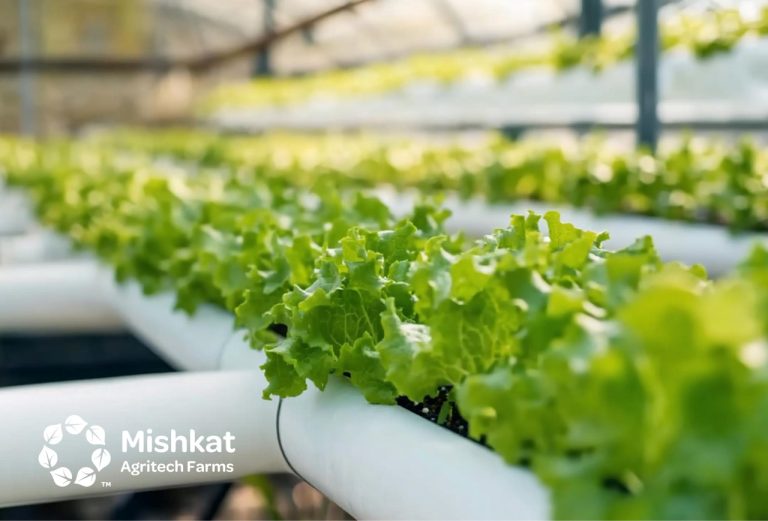
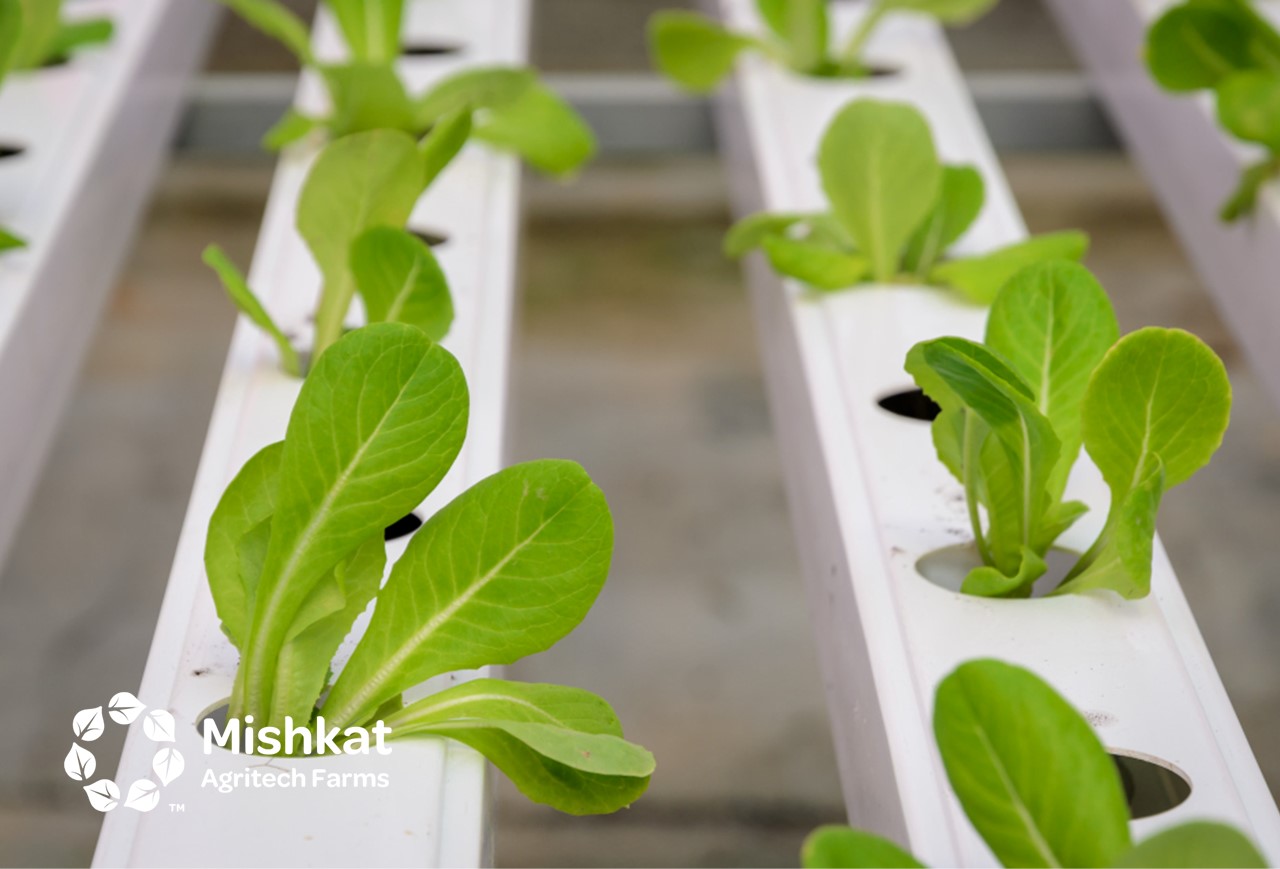
Among the types of hydroponic systems, nutrient film technique is often one of the cleanest choices for leafy greens and herbs. A thin, moving layer of enriched solution passes over the roots, which gives plants regular access to water, nutrient, and oxygen. For hydroponic systems focused on lettuce, basil, mint, arugula, and similar crops, this method can be highly efficient.
The benefit is not only production. It is workflow. These hydroponic systems make cleaning schedules, planting lanes, inspection routines, and harvest flow easier to standardize. That is useful for hospitality projects where the end user wants a regular stream of fresh herbs and leaves. It is also useful for greenhouse businesses that want a clear daily harvest rhythm.
The challenge is that these hydroponic systems are not forgiving when pumps fail, channels clog, or water temperature drifts. In a hot climate, solution management becomes critical. So while many people admire these types of hydroponic systems, they only perform well when maintenance and monitoring are built into the operating culture.
Deep water culture among the main types of hydroponic systems
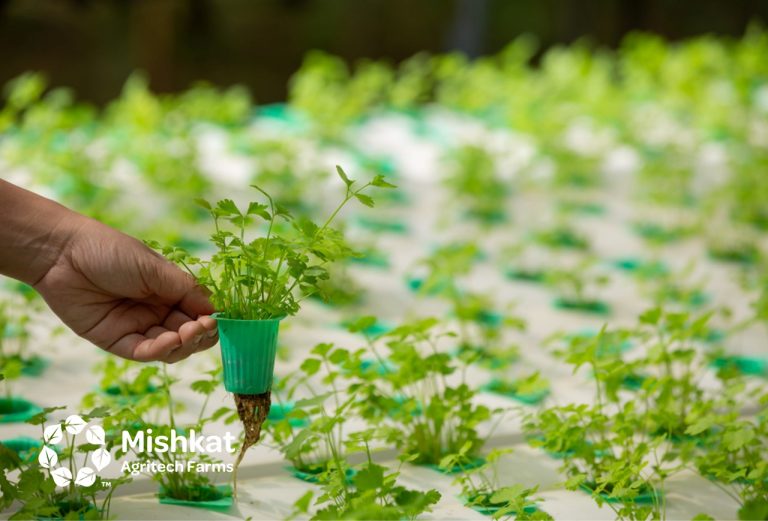
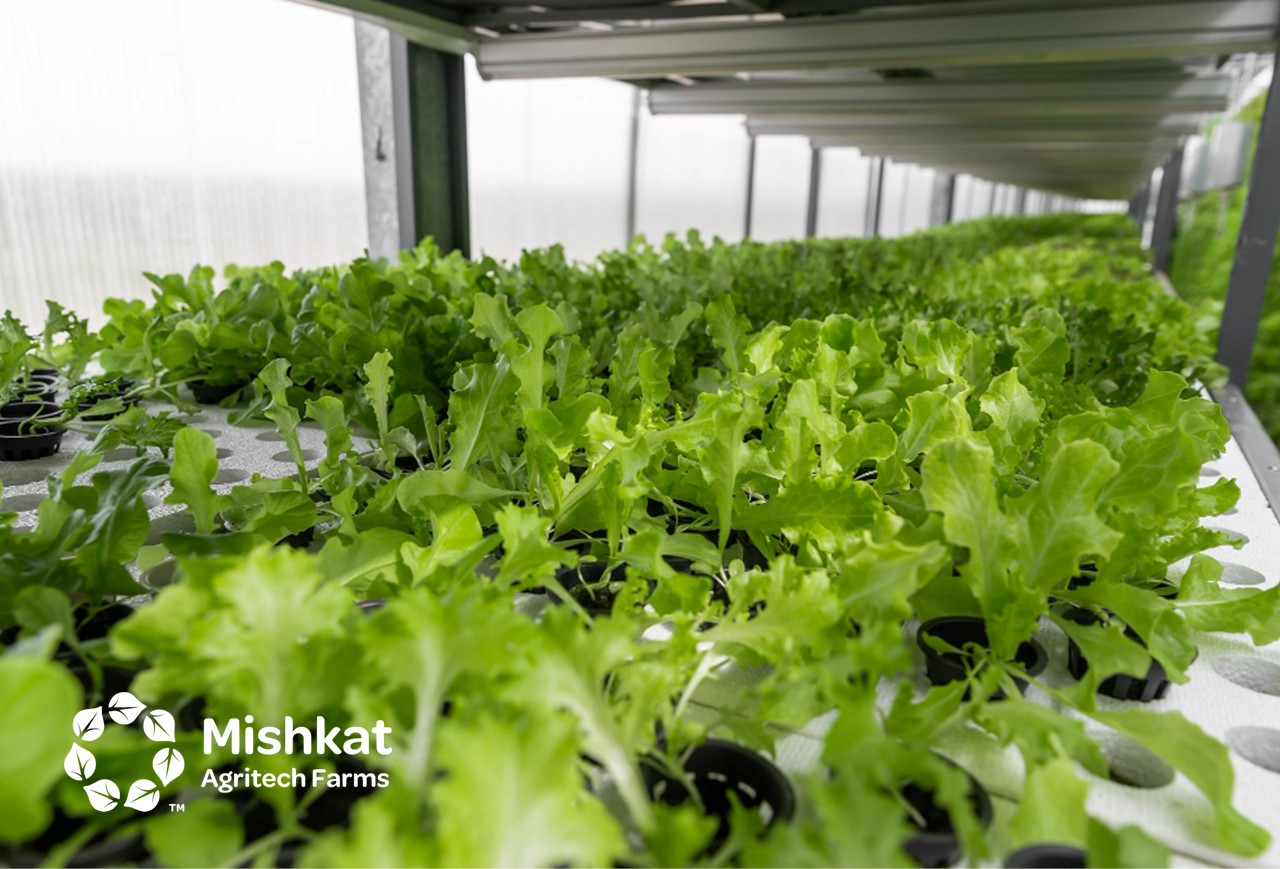
Deep water culture is one of the main types of hydroponic systems because it is easy to understand. Plants sit in rafts or holders while roots hang in nutrient solution. Air supply keeps the root zone oxygenated. These hydroponic systems can be a strong first step for teams that want operational simplicity and clear visual control.
For lettuce and basil, deep water culture can work well. The water mass buffers short-term fluctuation, and the layout can be easier for beginners than more technical channel systems. For training teams or pilot-scale projects, these hydroponic systems often support faster learning.
Still, deep water culture is not a free pass. Hydroponic systems of this kind need strong discipline around dissolved oxygen, sanitation, temperature, and raft handling. If that discipline is weak, problems spread fast.
Drip-fed substrate as one of the most commercial hydroponic systems
When investors ask which hydroponic systems fit high-value greenhouse vegetables, drip-fed substrate systems often come near the top. These hydroponic systems use media such as coco-based bags or slabs, and irrigation is delivered through measured drippers. For tomato, cucumber, pepper, and strawberry, this approach is common because it supports plant structure, crop steering, and detailed fertigation.
From a commercial point of view, these types of hydroponic systems are attractive because they fit premium produce markets and can support strong crop density and quality. They also make it easier to tune irrigation by stage, sunlight, and crop load. That precision is valuable in Saudi greenhouse operations where climate control costs matter.
The main caution is runoff and drain strategy. Open systems waste more. Closed systems require more control. So investors comparing hydroponic systems should ask a basic question early: will this design prioritize simplicity, or resource recirculation, or a balance between both?
Ebb and flow and smaller hydroponic gardening setups
Turn your vision into a data-backed plan with Mishkat
Book a quick, free assessment session with the Mishkat Services team: we define your goals and align them with the market and your budget, and deliver a one-page roadmap with expected returns, operating options, and linking to a purchase agreement when needed, with no obligation.
Ebb and flow systems flood a bench or tray and then allow the solution to drain back. These hydroponic systems are often useful for seedlings, propagation, and selected herbs. In hydroponic gardening contexts, ebb and flow can be a practical way to learn irrigation timing and root-zone behavior without a large commercial commitment.
For hydroponic gardening in schools, hobby farms, small visitor centers, or entry-level internal training, ebb and flow can be useful because the logic is visible. Teams can see water movement, root response, and timing effects clearly. That makes these hydroponic systems good for learning, even if they are not always the first choice for large-scale output.
Vertical hydroponic systems for hospitality and brand value
Vertical hydroponic systems deserve special attention in Saudi hospitality projects. These hydroponic systems are often chosen not only for production, but also for guest experience, space use, and design visibility. A hotel or resort may not need maximum tonnage. It may need reliable herbs, garnish leaves, edible flowers, and a story that guests can see.
In that setting, hydroponic systems become part of architecture and service design. A chef can plan menus around visible growing units. A resort can host tours or tastings. A wellness brand can connect food, freshness, and sustainability in a concrete way. These are not soft benefits. They can support premium perception and guest differentiation.
But vertical hydroponic systems only work when the operator respects uniformity. Light, airflow, water pressure, plant access, and sanitation become harder across height and density. So for hospitality, the right system is rarely the most dramatic one. It is the one that stays clean, productive, and easy to manage.
What the main types of hydroponic systems mean in practice
The main types of hydroponic systems are really choices about control versus complexity. Water culture systems are often simple to understand. Channel systems can be efficient and clean. Drip systems can be highly commercial. Vertical systems can be strong in tight or visible spaces. Each method solves a different business problem.
That is why serious investors should not ask only about the main types of hydroponic systems. They should ask:
- Which crops will this system grow best?
- How sensitive is the system to operator error?
- What are the sanitation routines?
- How easy is expansion?
- How much training is required?
- What happens during a power interruption?
- How does the system behave in summer?
- Can the local team run it daily without outside dependency?
These questions matter more than presentation slides. Hydroponic systems succeed when daily routines are stronger than the original pitch.
How to choose hydroponic systems for greenhouse and hospitality projects
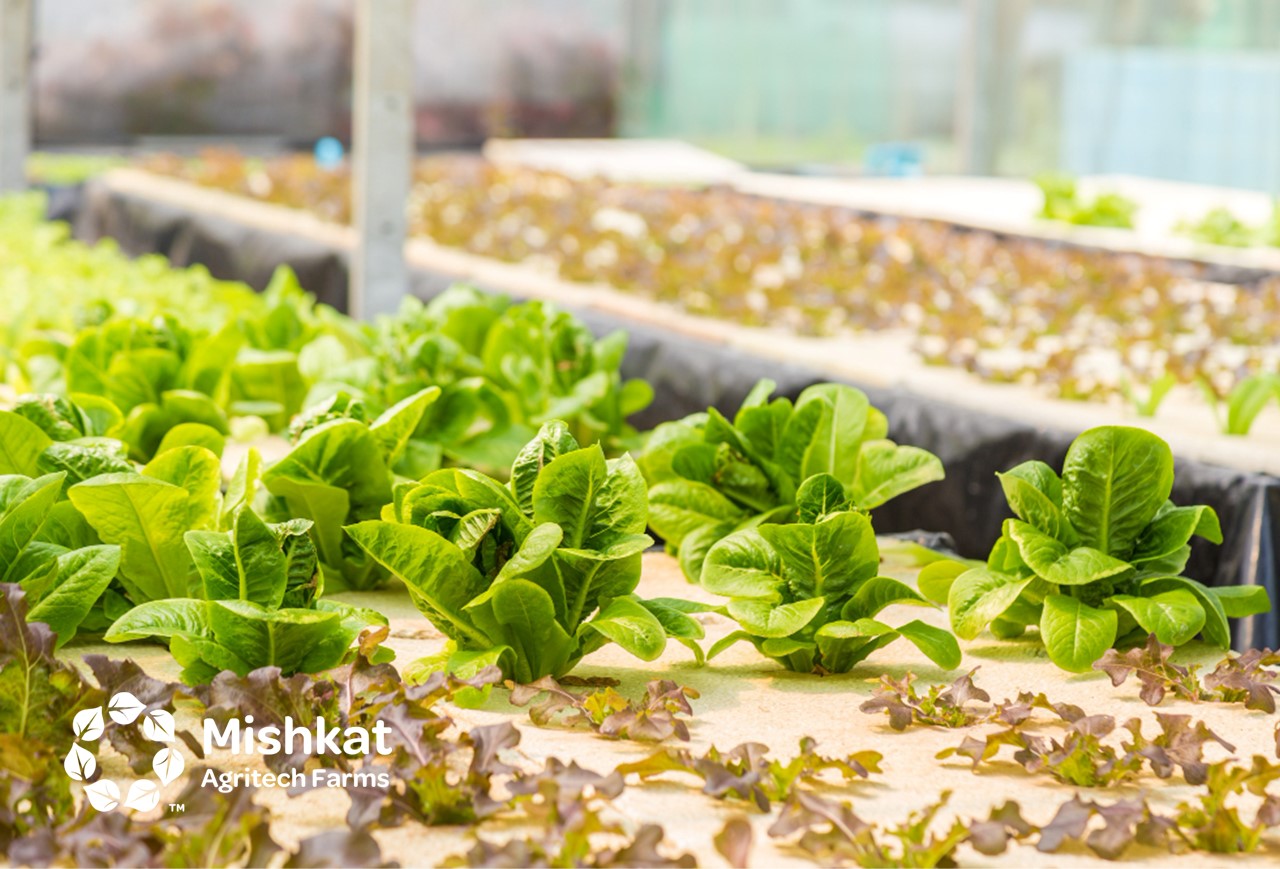
Choosing hydroponic systems should begin with a filter, not a wishlist. A good filter helps you compare hydroponic systems without getting distracted by trend language, shiny equipment, or generic claims about innovation.
A simple framework for hydroponic systems in Saudi Arabia is this:
Project Fit Score = Crop Fit + Market Fit + Climate Fit + Team Fit + Margin Fit
Score each element from 1 to 5.
- Crop Fit: how naturally the crop performs in the chosen hydroponic systems
- Market Fit: how strong the demand, pricing, and buyer consistency are
- Climate Fit: how well the greenhouse and cooling strategy support the crop
- Team Fit: how realistically the staff can run the system every day
- Margin Fit: how likely the crop and system are to leave room after labor, energy, packaging, and losses
A total score below 15 usually means the concept needs redesign. A score from 15 to 20 may justify a pilot. A score above 20 suggests the hydroponic systems concept deserves full technical and commercial modeling.
A numbered decision path for hydroponic systems
Turn your vision into a data-backed plan with Mishkat
Book a quick, free assessment session with the Mishkat Services team: we define your goals and align them with the market and your budget, and deliver a one-page roadmap with expected returns, operating options, and linking to a purchase agreement when needed, with no obligation.
- Start with the buyer, not the technology.
Decide whether the output is for wholesale, retail packs, chef supply, or internal hospitality use. Hydroponic systems should serve the buyer’s need, not the other way around. - Choose crops before equipment.
Different hydroponic systems suit different crops. Leafy greens and herbs often fit one set of systems. Tomatoes and cucumbers often fit another. - Define the climate-control envelope.
Hydroponic systems do not remove the need for strong greenhouse engineering. They depend on it. Cooling, shading, ventilation, and water temperature are core design decisions. - Map labor at operating level.
Ask who seeds, transplants, scouts, cleans, mixes nutrient, harvests, packs, and logs data. Many hydroponic systems fail because labor mapping is vague. - Model unit economics by crop and by channel.
A crop that looks strong in a technical trial may still fail commercially if packaging, shelf life, or buyer behavior work against it. - Pilot before full rollout.
Hydroponic systems should prove crop quality, labor rhythm, and sales consistency in a pilot block before large expansion. - Build monitoring from day one.
Hydroponic systems need routine checks for pH, EC, temperature, oxygen, flow, hygiene, and plant health. If monitoring is added later, problems usually arrive first.
This decision path helps investors compare hydroponic systems in a business language, not just an agronomy language.
A practical checklist for hydroponic systems selection
Use this checklist before approving any design or supplier proposal for hydroponic systems:
- Crop list is fixed, not vague
- Target buyers are defined
- Expected selling price is based on a real channel
- Summer operating assumptions are clearly written
- Water source and treatment method are confirmed
- Power backup is included
- Sanitation routine is documented
- Nutrient mixing process is simple enough for the team
- Spare parts list is available locally or stocked on site
- Expansion path is planned
- Wastewater or drain handling is defined
- Packaging and post-harvest area are included
- Data logging responsibilities are assigned
- Trial plan and success criteria are written
- Training for operators is budgeted
If a proposal for hydroponic systems cannot pass most of this checklist, the project is probably still at idea stage, even if the drawings look complete.
How hydroponic gardening differs from investor-grade hydroponic systems
Hydroponic gardening and investor-grade hydroponic systems are related, but they are not the same thing. Hydroponic gardening usually prioritizes learning, enjoyment, flexibility, and small-scale fresh supply. Investor-grade hydroponic systems prioritize repeatability, uptime, sanitation, output planning, and margin protection.
That difference matters because some projects in Saudi Arabia begin with hydroponic gardening logic and then try to scale it too fast. A small, beautiful setup can teach a team a lot, but it does not automatically prove commercial readiness. Commercial hydroponic systems need stronger labor discipline, stronger SOPs, stronger procurement, and clearer post-harvest planning.
Still, hydroponic gardening has an important role. For hospitality groups, hydroponic gardening zones can be excellent for demonstration, brand experience, and chef engagement. For greenhouse investors, hydroponic gardening can be a low-risk training step before a larger commercial block.
Where Mishkat Company can add value in hydroponic systems planning
At planning stage, the biggest value often comes from integration. A project may have decent greenhouse engineering, decent crop ideas, and decent market demand, yet still struggle because the parts were not designed together. This is where Mishkat Company can be useful if the brief covers both farm logic and commercial logic.
For example, Mishkat Company can help frame hydroponic systems decisions across farm design, greenhouse workflow, crop-market alignment, and long-term operating needs. That is especially relevant for projects that combine hydroponics and aquaponics, phased expansion, or hospitality integration.
Designing hydroponic systems for climate, labor, and profit
The design of hydroponic systems should always start with climate reality. In Saudi Arabia, summer performance is not a side issue. It is the design test. If hydroponic systems only look good in mild conditions, the project is not ready.
That means greenhouse structure, cooling approach, shade management, internal airflow, irrigation timing, and solution temperature control all need to be considered before finalizing crop density. Too many designs begin with yield ambition and then discover the environment cannot support it economically.
Hydroponic systems also need a clean movement logic. People often underestimate movement. Plants move from propagation to grow-out. Workers move for scouting and harvest. Inputs move to mixing and application. Packed product moves to cold holding and dispatch. Poor movement design quietly raises labor cost and contamination risk.
The climate-first rule for hydroponic systems
A useful design rule is this: Do not select hydroponic systems until you know the summer climate-control cost and the root-zone management plan.
Why? Because hydroponic systems magnify both strengths and weaknesses. If climate control is solid, hydroponic systems can perform beautifully. If climate control is weak, hydroponic systems can expose instability faster than soil-based production.
Turn your vision into a data-backed plan with Mishkat
Book a quick, free assessment session with the Mishkat Services team: we define your goals and align them with the market and your budget, and deliver a one-page roadmap with expected returns, operating options, and linking to a purchase agreement when needed, with no obligation.
A 2024 Saudi-focused irrigation discussion stressed the national priority of improving irrigation efficiency and sustainable water use. For hydroponic systems, that priority should translate into practical design choices such as recirculation strategy, monitoring discipline, and matching crop value to climate-control intensity. (FAOHome)
Designing hydroponic systems around labor reality
Labor is where many hydroponic systems become either efficient or expensive. A system can look elegant on paper, yet create hidden labor through cleaning, transplanting, emitter maintenance, root-zone checks, and packing inefficiency.
When comparing hydroponic systems, ask four labor questions:
- How many manual touches does each plant need?
- How easy is sanitation between cycles?
- How quickly can new staff learn the routine?
- Which tasks break first during peak workload?
This matters in both greenhouse and hospitality projects. In a greenhouse, labor inefficiency eats margin. In hospitality, labor inefficiency breaks consistency and frustrates chefs. Hydroponic systems should simplify daily work, not create constant technical dependence.
Nutrient and water logic in hydroponic systems
At root level, hydroponic systems are all about balance. Plants need water, oxygen, and nutrient in a stable rhythm. Too much water without enough oxygen stresses roots. Too much nutrient concentration can reduce uptake or create tip issues. Too much fluctuation in solution quality creates uneven growth.
That does not mean hydroponic systems require excessive complexity. It means they require routine. Good hydroponic systems usually win through boring consistency: accurate mixing, clean tanks, calibrated sensors, stable flow, scheduled cleaning, and careful observation.
The strongest hydroponic systems teams do not chase drama. They build calm control.
Formula for hydroponic systems economics
A practical formula for hydroponic systems is:
Annual Gross Margin = Sellable kilograms × Realized average selling price
− nutrient cost
− water cost
− energy cost
− labor cost
− packaging cost
− crop protection and hygiene cost
− maintenance and parts
− post-harvest losses
This is basic, but it keeps hydroponic systems evaluation honest. Many proposals focus on theoretical yield. Serious investors focus on sellable yield, realized price, and controllable losses.
You can also use a simple quality-adjusted productivity check:
Quality-Adjusted Output = Harvested kilograms × sellable percentage
If two hydroponic systems produce similar total weight, but one produces more uniform, cleaner, premium-grade product, that system may be economically superior even before yield differences become large.
Crop grouping for hydroponic systems in Saudi projects
Hydroponic systems perform best when crop families are grouped by similar climate and workflow needs.
Turn your vision into a data-backed plan with Mishkat
Book a quick, free assessment session with the Mishkat Services team: we define your goals and align them with the market and your budget, and deliver a one-page roadmap with expected returns, operating options, and linking to a purchase agreement when needed, with no obligation.
Good candidates for many hydroponic systems:
- lettuce
- basil
- mint
- arugula
- kale
- microgreens
- edible flowers
- selected strawberries
- tomatoes and cucumbers in the right substrate systems
More cautious candidates for hydroponic systems:
- crops with unstable local pricing
- crops with long cycles but weak margins
- crops with complex pollination needs in a weak greenhouse
- crops that require specialized post-harvest handling the site cannot support
For hospitality, hydroponic systems often shine with herbs, leaves, garnish crops, and visually distinctive items that carry menu value. For wholesale greenhouses, hydroponic systems often need tighter price discipline and stronger channel agreements.
Hydroponic gardening, diy hydroponic, and what scale really means
There is growing interest in hydroponic gardening and diy hydroponic setups across the region. That interest is useful because it increases awareness and talent. Many operators first learn through hydroponic gardening or a diy hydroponic trial, then move into larger hydroponic systems later.
A diy hydroponic project can teach valuable basics like water circulation, nutrient handling, hygiene, and crop timing. For beginners, diy hydroponic work builds intuition. For investors, a diy hydroponic block can be a low-cost testing tool. But scale changes the rules. Commercial hydroponic systems need process discipline that goes far beyond a diy hydroponic success.
That is why hydroponic gardening and diy hydroponic work should be seen as learning platforms, not automatic proof of bankable performance.
Hydroponic systems operations, KPIs, and cost control
Once hydroponic systems are built, the real business begins. Strong operations turn hydroponic systems into a reliable asset. Weak operations turn hydroponic systems into expensive maintenance.
Operational success usually comes down to a handful of routines:
- seed and transplant scheduling
- nutrient mixing and correction
- irrigation timing
- sanitation and line cleaning
- daily crop scouting
- harvest planning
- packing discipline
- issue logging and corrective action
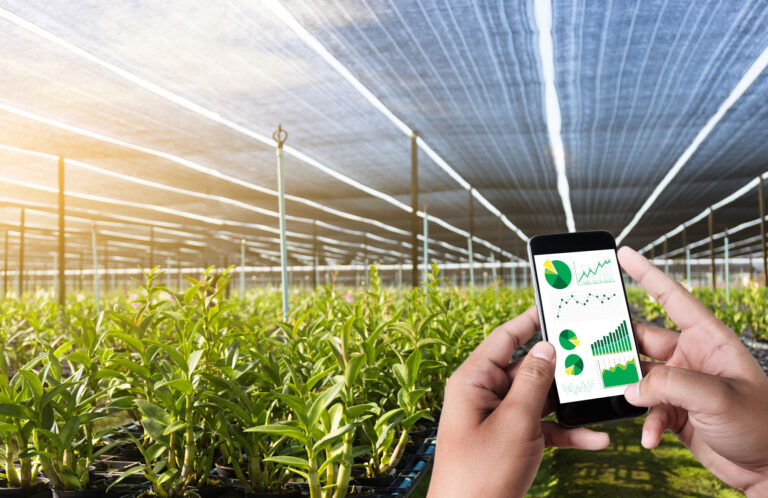
Hydroponic systems benefit from simple KPIs tracked consistently. Too many numbers can hide the important ones. A focused dashboard for hydroponic systems might include:
- germination rate
- transplant survival rate
- cycle length
- kilograms harvested per square meter
- sellable percentage
- rejection percentage
- water use by crop block
- nutrient use by crop block
- labor hours per harvested kilogram
- downtime incidents
- temperature excursions
- customer complaints by crop
A 2024 review of hydroponic food production practices noted that while hydroponic systems can save water and fertilizer, recirculation and root exudate management create real operational challenges. That is a useful reminder that hydroponic systems are not self-managing. They reward discipline and punish neglect. (Springer)
Quick-win mini case: a modeled herb supply block using hydroponic systems
Setup
A mid-size hospitality project wants more control over fresh herb supply. It currently buys mixed herbs from external vendors, but quality and shelf life are inconsistent. The site has a small protected area near the kitchen service zone and wants hydroponic systems that are clean, compact, and easy for a trained internal team.
Chosen approach
Instead of launching many crops at once, the project starts with three high-use herbs and one premium garnish crop. It uses simple hydroponic systems sized for reliability, not maximum density. The project defines one chef contact, one farm operator, one weekly forecast, and one sanitation routine.
Steps
- Fix the menu-linked crop list.
- Build a weekly harvest forecast.
- Start with one production block and one nursery block.
- Measure sellable output, not total output.
- Adjust planting rhythm before expanding crop count.
- Add only one new crop after four stable cycles.
Expected outcome
Within a few cycles, the hospitality team should gain fresher herbs, better consistency, and less emergency buying. The farm team should gain clearer routines and less waste. The direct value may come from quality and service stability rather than headline tonnage. That is often the right first win for hydroponic systems in hospitality.
Cost control habits that protect hydroponic systems margins
The easiest way to lose money in hydroponic systems is not usually catastrophic crop failure. It is quiet leakage.
Leakage shows up as:
- overproduction of low-value crops
- underutilized labor
- poor harvest timing
- too many SKUs
- weak sanitation that raises rejection
- excessive input use without data
- expansion before operating stability
- packaging choices that do not fit the buyer
Good hydroponic systems managers control leakage through routines. They do not rely on heroic problem solving. They build repeatable habits and review them weekly.
Where Mishkat Company Team can support operations logic
Many projects need help not only with physical design, but also with operating logic. This is where Mishkat Company Team can contribute by aligning greenhouse workflow, crop planning, farm management routines, and training needs. For projects that want hydroponic systems and aquaponics under one long-term development path, integration matters even more.
A project can buy equipment once. It has to run the operation every day. That is why the real value of hydroponic systems is often unlocked through training, SOP design, and management structure rather than hardware alone.
Objections and edge cases for hydroponic systems
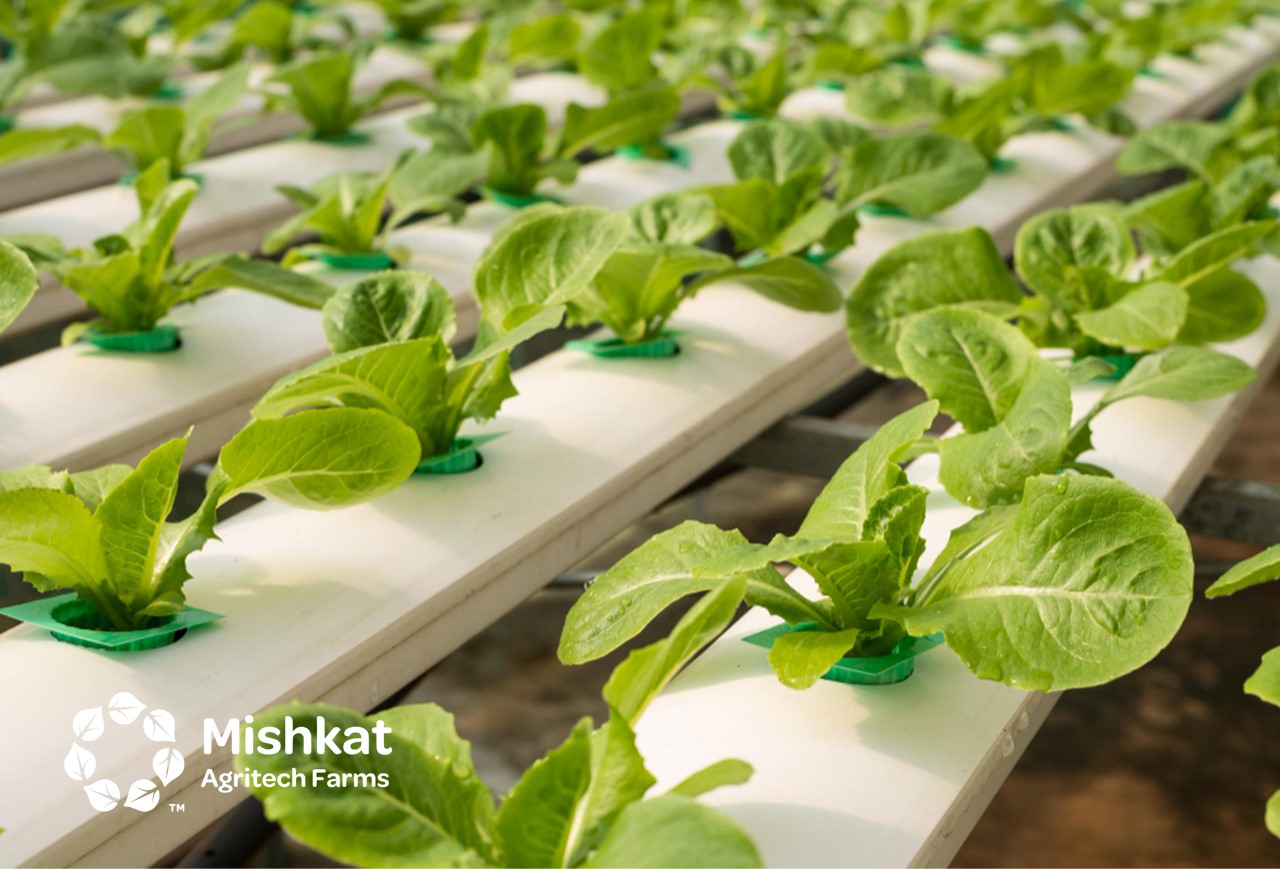
Every serious investor raises objections to hydroponic systems, and they should. Good objections make the project stronger. The goal is not to defend hydroponic systems blindly. The goal is to test where hydroponic systems fit and where they do not.
Objection 1: Hydroponic systems are too expensive
Hydroponic systems can be expensive, especially when climate control, water treatment, automation, and post-harvest are properly included. The mistake is assuming cost alone decides the issue. What matters is whether hydroponic systems create enough value through quality, consistency, water efficiency, internal supply reliability, or premium pricing to justify that cost.
For low-value crops sold into weak channels, hydroponic systems may not make sense. For premium herbs, leafy greens, vine crops, internal hospitality supply, or branded local produce, hydroponic systems may justify the investment. Cost should be judged against the right revenue model, not in isolation.
Objection 2: Hydroponic systems use too much energy
This objection matters in Saudi Arabia. Hydroponic systems do not operate in a vacuum. Protected cultivation often needs cooling, pumping, and sometimes artificial lights. A 2024 hydroponics review described hydroponic systems as efficient in water and space, but later literature also stresses that energy use can shape overall sustainability and economics. That means energy must be designed and modeled, not assumed away. (ScienceDirect)
The practical response is to match crop value to energy intensity. Not every crop belongs in the highest-control environment. Hydroponic systems work best when the crop portfolio respects the cost of keeping the environment stable.
Objection 3: Hydroponic systems are risky if skilled staff are missing
This is true, but it is manageable. Hydroponic systems require training, routine, and clear accountability. If the team has none of those, risk is high. But the same is true for any controlled agricultural operation.
The solution is phased deployment. Start with fewer crops, fewer zones, and stronger SOPs. Use a pilot. Build competence before expansion. Hydroponic systems become less risky when complexity is staged.
Objection 4: Hydroponic gardening is fine for hobby use, but not for real scale
Hydroponic gardening can absolutely remain small and hobby-based. But commercial hydroponic systems are already part of protected agriculture globally and increasingly relevant in the Gulf. The issue is not whether hydroponic gardening exists. The issue is whether the project makes the jump from hobby logic to operational logic.
That is why diy hydroponic success should be respected, but not confused with full commercial readiness. A diy hydroponic setup can prove interest and basic capability. It does not automatically prove labor structure, compliance, packing flow, procurement discipline, or buyer retention.
Objection 5: Soil is simpler, so why not stay with soil?
For some crops and markets, that may be the correct answer. Not every greenhouse must convert to hydroponic systems. But where water efficiency, crop uniformity, cleanliness, and year-round predictability matter, hydroponic systems may have a strong advantage.
A 2025 Saudi study on greenhouse efficiency also reinforces the point that water and energy efficiency should be evaluated together, not separately. That is useful for investors because it pushes the conversation toward measured performance instead of ideology. (MDPI)
Edge case 1: Hospitality projects that want hydroponic systems mainly for branding
This can work, but only if the farm is sized around real internal demand and service capacity. A visible hydroponic systems display without disciplined production often becomes decoration with high maintenance. A better model is to combine one visible zone with one back-of-house production zone.
Edge case 2: Investors who want many crops from day one
Diversification feels safe, but in hydroponic systems it can create avoidable complexity. It is usually better to start with a short crop list, stabilize the operating rhythm, then add crops one by one.
Edge case 3: Small greenhouse owners who want to test hydroponic systems without a full redesign
This is one of the best ways to start. A contained test block can show how hydroponic systems behave on your site, with your water, your labor, and your customers. That local learning is often worth more than any generic recommendation.
Edge case 4: Projects comparing hydroponics and aquaponics
Some projects in Saudi Arabia explore hydroponics and aquaponics together. That can make sense, but the operating logic is different. Hydroponic systems usually give more direct nutrient control. Aquaponics introduces fish health, biofiltration, and a different balance of variables. A project should be clear about whether it wants maximum crop control, integrated biological storytelling, training value, or visitor experience. Mixing the two without a clear objective usually weakens both.
Edge case 5: Beginners who want a diy hydroponic path first
For beginners, diy hydroponic learning can be smart. It makes sense to build confidence through a small controlled setup before investing in larger hydroponic systems. The key is to treat diy hydroponic work as structured training. Track what was learned, what failed, what labor was needed, and what assumptions changed.
Next step for hydroponic systems decisions
If you are evaluating hydroponic systems for a greenhouse investment, an expansion phase, or a farm-to-table hospitality concept, the best next step is not to rush to equipment. It is to define crop-market fit, climate assumptions, labor structure, and pilot scope in one clear decision file. When those pieces are aligned, hydroponic systems become much easier to size, price, and operate. For projects that need integrated support across hydroponics and aquaponics, farm design, farm management, hospitality design, or agronomist training, a soft consultation with Mishkat Company Services can help turn early interest into a workable plan.
FAQ about hydroponic systems
What are hydroponic systems in the simplest terms?
Hydroponic systems are methods of growing plants without field soil, using water and nutrient solution to feed the roots directly. In practice, hydroponic systems create a more controlled root environment, which can improve consistency, cleanliness, and management of water and nutrient.
Which hydroponic systems are best for Saudi greenhouse investors?
The best hydroponic systems depend on crop and market. For leafy greens and herbs, channel-based or raft-style hydroponic systems are often strong. For tomatoes, cucumbers, peppers, and strawberries, drip-fed substrate hydroponic systems are often more suitable. The best answer comes from crop fit, climate cost, and labor capability together.
How do types of hydroponic systems differ from each other?
The main difference among types of hydroponic systems is how they deliver water, nutrient, and oxygen to the root zone. Some types of hydroponic systems use a shallow moving film of solution. Some types of hydroponic systems keep roots in deeper water. Some types of hydroponic systems use drippers and substrate. Each type changes labor needs, crop suitability, sanitation routines, and failure risk.
Are hydroponic systems better than soil for all crops?
No. Hydroponic systems are not automatically better for every crop or every market. Hydroponic systems are most compelling where quality consistency, water control, clean production, and year-round scheduling matter enough to justify the added discipline and capex.
Can hydroponic gardening lead to commercial hydroponic systems?
Yes, but not automatically. Hydroponic gardening is a useful entry point because it teaches root-zone control, nutrient handling, and sanitation. However, commercial hydroponic systems need much stronger SOPs, labor planning, data tracking, and post-harvest design than hydroponic gardening setups.
Is DIY hydroponic a good idea for beginners?
DIY hydroponic can be a very good learning step for beginners, especially when the goal is to understand basic water circulation, nutrient balance, and crop behavior. A diy hydroponic setup is also useful for testing crops before larger investment. Still, diy hydroponic success should be treated as training, not as proof that a full commercial block will work unchanged.
What crops fit hydroponic systems best in hospitality projects?
Hydroponic systems in hospitality usually work best for herbs, leafy greens, garnish crops, microgreens, and edible flowers. These crops benefit from freshness, visual appeal, and short supply chains. In many hotel and resort concepts, hydroponic systems are valuable because they combine utility with storytelling.
Do hydroponic systems always save water?
Hydroponic systems are widely valued for water efficiency, especially when solution is managed carefully and recirculation is well designed. At the same time, hydroponic systems still need disciplined monitoring, temperature control, and hygiene. Water saving is not magic. It is the result of good design and consistent operation. (Springer)
How should investors compare the main types of hydroponic systems?
Investors should compare the main types of hydroponic systems by asking five questions: which crop fits best, what climate control is required, what labor skill is needed, what failure modes are most dangerous, and what margin profile is realistic. The main types of hydroponic systems should be compared as business models, not only as growing methods.
Where can Mishkat Company Team fit in a hydroponic systems project?
Mishkat Company Team can fit where the project needs integrated thinking across greenhouse planning, hydroponics and aquaponics, farm management structure, hospitality farm design, or agronomist training. In many projects, the challenge is not lack of equipment choice. It is lack of alignment between design, operations, and commercial goals.
Conclusion on hydroponic systems
- Hydroponic systems are most valuable when they solve a clear business problem, not when they are added for trend value.
- The best hydroponic systems are chosen through crop fit, market fit, climate fit, team fit, and margin fit.
- Different types of hydroponic systems serve different project goals, and no single method is best for everything.
- Hydroponic gardening and diy hydroponic setups are useful learning tools, but commercial hydroponic systems require stronger discipline.
- In Saudi Arabia, hydroponic systems matter because water efficiency, supply resilience, and protected production are strategic, not optional.
- The strongest hydroponic systems projects usually win through routine, sanitation, monitoring, and phased scaling.
Hydroponic systems can be a strong fit for Saudi greenhouses, soilless farming ventures, and hospitality developments, but only when the system logic is honest. If the crop choice, climate envelope, labor routine, and commercial channel are aligned, hydroponic systems can move from promising concept to durable operating asset.
Proof and credibility for hydroponic systems decisions
A serious hydroponic systems project should not rely on marketing language alone. It should be able to show its assumptions clearly. That includes crop list, climate-control basis, water treatment plan, nutrient management process, SOPs, labor structure, yield assumptions, sellable percentage, and channel strategy.
For decision-makers, credibility in hydroponic systems usually comes from five things:
- a pilot that matches the intended climate and crop mix
- a realistic summer operating model
- clear responsibility for daily monitoring
- a post-harvest and sales plan, not only a growing plan
- a phased expansion path instead of instant full scale
For integrated project development, Mishkat Company can be most useful where hydroponic systems need to connect with farm design, management routines, aquaponics planning, hospitality integration, and operator training. The strongest hydroponic systems projects are not just built well. They are governed well.
Sources
- General Authority for Statistics, 2024, https://www.stats.gov.sa/documents/20117/2435281/Agricultural%2BStatistics%2B2024%2B%2B-%2BEN.pdf/1d9fef9e-4238-e4c7-4c41-86475ce8241c?t=1764479027952
- Food and Agriculture Organization, 2024, https://www.fao.org/newsroom/detail/fao-statistical-yearbook-2024-reveals-critical-insights-on-the-sustainability-of-agriculture-food-security-and-the-importance-of-agrifood-in-employment/en
- Food and Agriculture Organization, 2024, https://www.fao.org/neareast/news/stories/details/from-scarcity-to-sustainability–a-leap-toward-efficient-irrigation-in-saudi-arabia/en
- Food and Agriculture Organization, 2025, https://openknowledge.fao.org/items/0cc74ac2-d864-41f6-90d8-8ccfaeed66f2
- Rajendran et al., 2024, https://www.sciencedirect.com/science/article/pii/S2405844024028548
Turn your vision into a data-backed plan with Mishkat
Book a quick, free assessment session with the Mishkat Services team: we define your goals and align them with the market and your budget, and deliver a one-page roadmap with expected returns, operating options, and linking to a purchase agreement when needed, with no obligation.